Table of Contents
Why PM Modi’s Warning Matters Now
India ready for global crisis—this is the core message emerging from PM Narendra Modi’s recent address in Parliament.
He referenced the COVID-19 pandemic not to trigger fear, but to signal preparedness.
That distinction matters.
Because the current situation, driven by conflict in West Asia, is serious—but not yet comparable to a pandemic-level disruption.
Still, the warning was clear:
Stay alert. Stay united. Stay prepared.
Sources: India Today
What PM Modi Actually Said in Parliament
PM Modi emphasized that the situation is “worrisome.”
He urged the nation to respond with the same unity shown during COVID.
But here’s what that really means.
Not panic.
Preparation.
India has taken a consistent position:
- Advocate peace
- Oppose attacks on civilians
- Ensure safe passage of trade
He also highlighted India’s diplomatic outreach—engaging leaders across the region to reduce tensions.
This was deliberate.
India is positioning itself as a stabilizing force.
India Stands Firm For Peace!
— MyGovIndia (@mygovindia) March 23, 2026
While addressing the Lok Sabha on the ongoing conflict in West Asia, PM @narendramodi shared that India has always stood for the welfare of humanity and consistently advocated for peace. He emphasised that dialogue and diplomacy are the only way… pic.twitter.com/YCyE9fLzoX
Sources: Times of India
The Global Crisis Building in West Asia
The ongoing conflict involving Iran, United States, and Israel is no longer regional.
Its effects are global.
Shipping disruptions.
Energy shocks.
Supply chain instability.
And at the center of it all lies a critical chokepoint:
Strait of Hormuz.
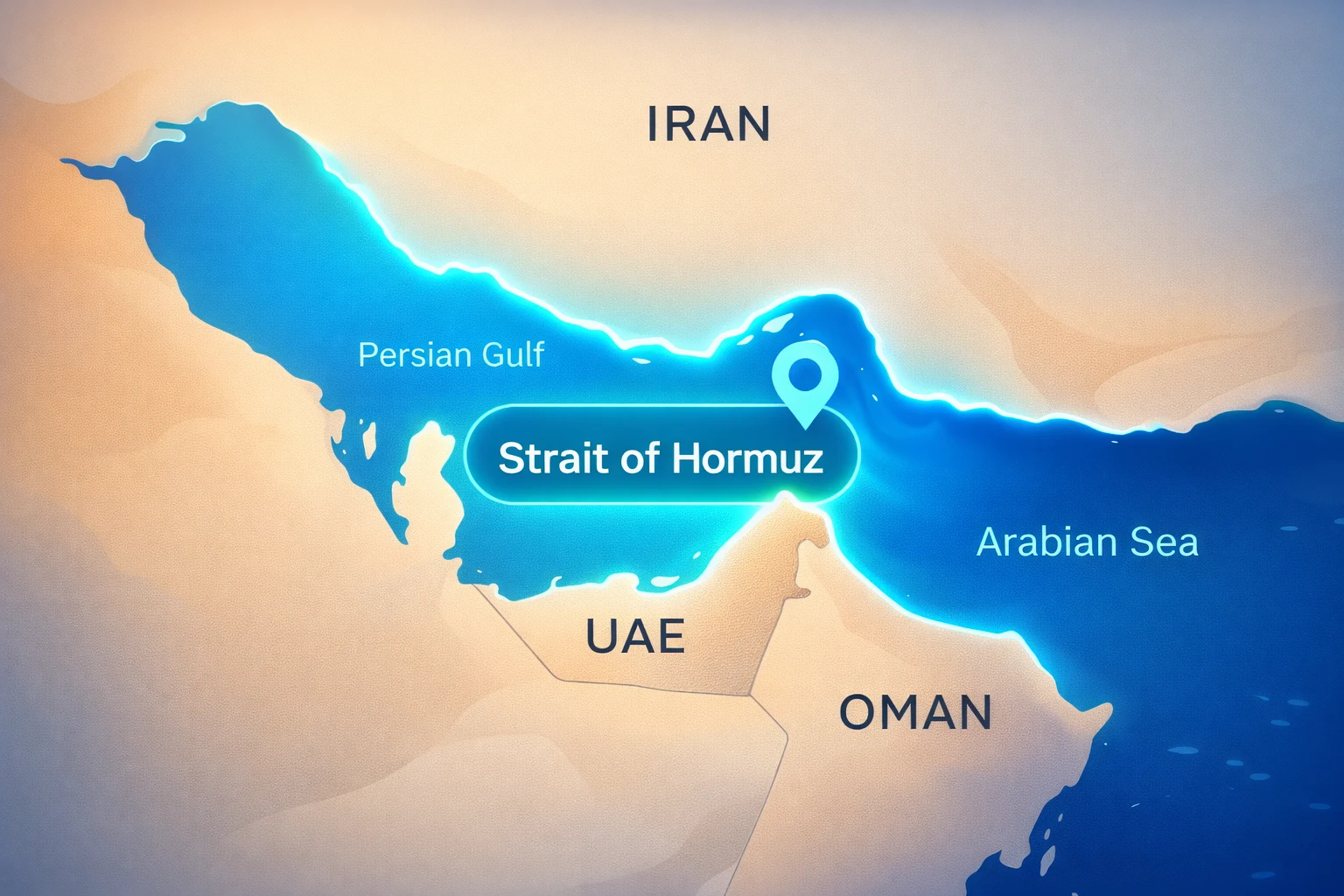
Image credit: AI-generated using ChatGPT by OpenAI
Oil, Shipping and the Strait of Hormuz Shock
The Strait of Hormuz handles a significant portion (20%) of global oil movement.
Now, with rising tensions:
- Ships are avoiding the route
- Insurance risks have surged
- Energy supply chains are strained
This has triggered ripple effects across Asia.
Shortages of:
- Fuel
- Helium
- Industrial inputs
Even when partial movement resumes, fear remains.
That fear alone disrupts supply chains.
Sources: Fortune
The Hidden Link: Fertilizer and Food Security
Here’s where things get more serious.
Fertilizers—especially urea—depend heavily on LNG (liquefied natural gas).
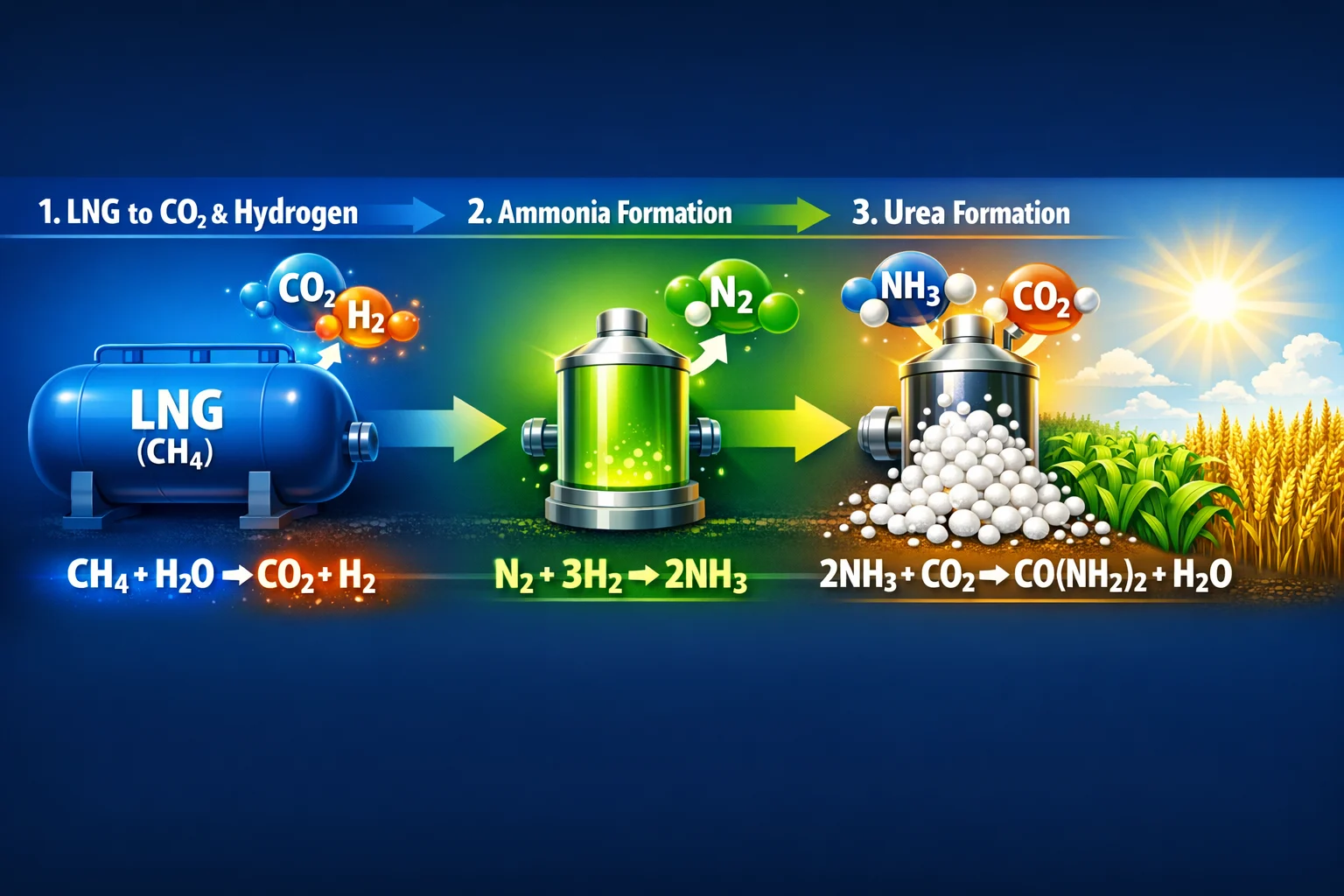
Image credit: AI-generated using ChatGPT by OpenAI
And LNG supply is tied to the same disrupted routes.
So what happens?
- Global fertilizer prices surge
- Supply becomes uncertain
But India has taken steps to cushion this impact.
PM Modi highlighted:
- Increased domestic urea production
- Expansion of fertilizer capacity
- Subsidized pricing for farmers
This was not accidental.
It was planning.
And it is now paying off.
Farmers Stay Resilient And Secure!
— MyGovIndia (@mygovindia) March 23, 2026
While addressing the Lok Sabha on the ongoing conflict in West Asia, PM @narendramodi said India ensured global crises did not burden farmers. Strong food grain reserves and timely fertiliser support continue to secure Kharif sowing and… pic.twitter.com/OJhu1RkZKe
Sources: CGTN
India’s Economic Reality: Stable but Under Pressure
Despite global turbulence, India’s situation remains relatively controlled.
Fuel prices:
- Largely stable
Inflation:
- Rising slightly but still manageable
Stock markets:
- Down significantly (over 10% in a month)
This tells a clear story.
India is not immune.
But it is more resilient than many others.
How India Is Preparing for a Long Crisis
Preparation is happening on multiple fronts.
Energy Security
India holds over 53 lakh metric tons in strategic petroleum reserves, with expansion underway.
Diversification
- Ethanol blending nearing 20%
- Reduced dependence on crude imports
Infrastructure
- Increased refining capacity
- Electrification of railways
Supply Chain Strategy
- Securing maritime corridors
- Diplomatic engagement with global partners
This is not short-term thinking.
This is structural.
Building Strong Secure Energy Future!
— MyGovIndia (@mygovindia) March 23, 2026
While addressing the Lok Sabha on the ongoing conflict in West Asia, PM @narendramodi noted that India has built strong petroleum reserves of over 53 lakh MT and continues expanding capacity. He highlighted efforts to secure global supply… pic.twitter.com/SUd7IknmsK
What Happens If the War Continues
Here’s the key question.
What if this conflict doesn’t end soon?
Then the risks increase:
- Prolonged supply chain disruption
- Higher oil prices
- Rising global inflation
And eventually:
- Slower economic growth
PM Modi acknowledged this reality.
Conditions will be difficult.
That was not speculation.
That was a warning.
Conclusion
The message that India ready for global crisis is not about fear.
It is about preparedness.
India has:
- Strengthened food security
- Stabilized energy supply
- Maintained diplomatic balance
But the global situation remains uncertain.
And uncertainty is the real challenge.
If the conflict escalates, the pressure will rise.
If it stabilizes, recovery will follow.
Either way, the coming months will test resilience—not just for India, but for the entire world.
FAQs
Is India ready for global crisis?
India has taken several steps including strategic reserves, food security measures, and supply diversification, indicating strong preparedness.
Why did PM Modi mention COVID?
He used COVID as an example of unity and preparedness, not to suggest a similar crisis is unfolding.
Will fuel prices increase in India?
So far, prices remain stable, but prolonged global disruption could impact future costs.
How does the war affect India?
Through oil supply disruption, fertilizer supply challenges, and global economic slowdown.
What Should India Do Next?
If global tensions continue to rise, how should India respond?
- Should India increase strategic reserves further?
- Can supply chains be fully secured?
- And how long can stability be maintained if the conflict escalates?
Share Your Perspective in the Comments below.
Because preparedness today will define resilience tomorrow.
Explore more about World Affairs and Indian Affairs.