Table of Contents
Iran Thanks India for IRIS Lavan Docking
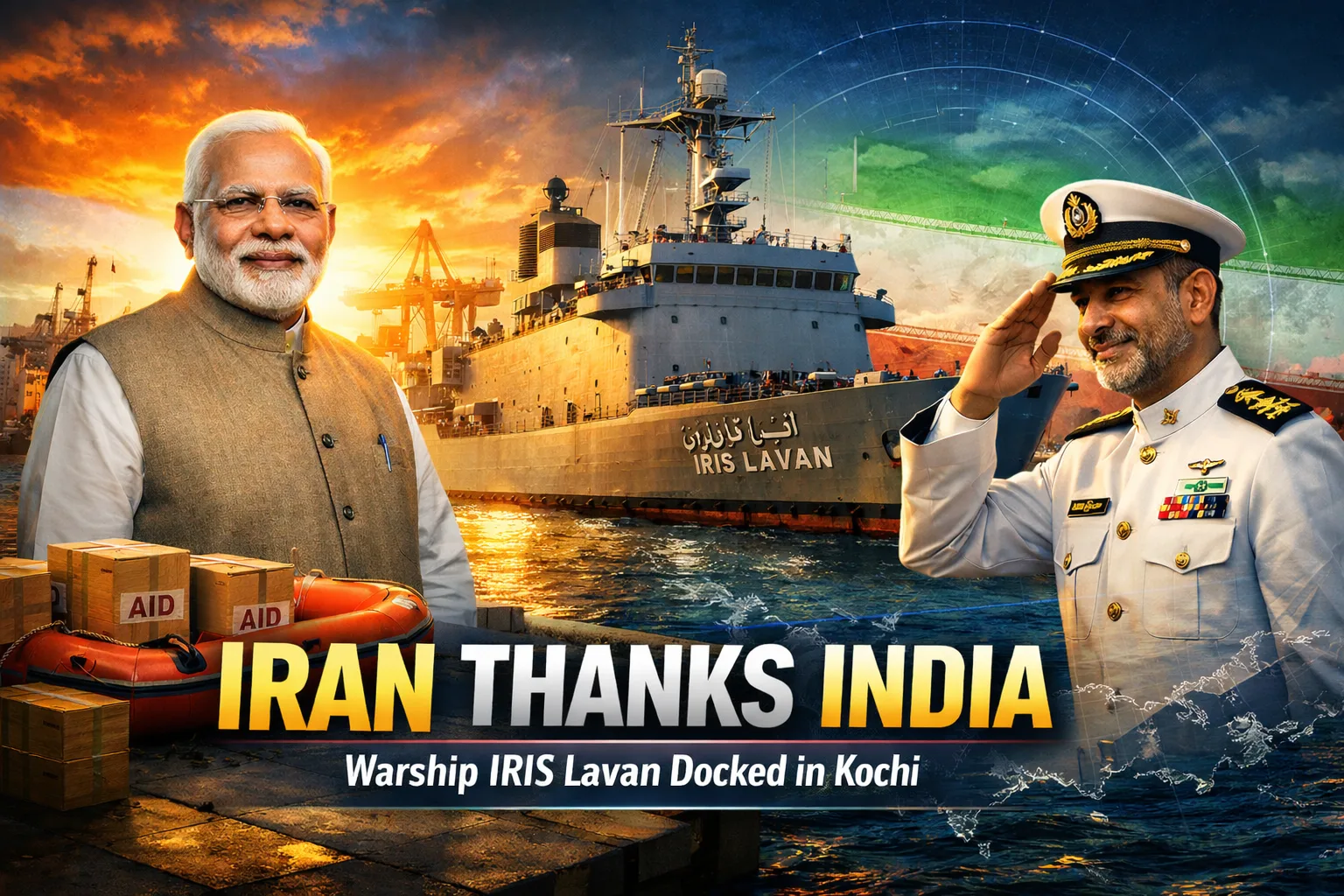
The phrase “Iran thanks India for IRIS Lavan docking” quickly gained attention after Tehran publicly acknowledged New Delhi’s humanitarian support.
The Iranian naval vessel IRIS Lavan is currently docked at Kochi Port, where India allowed the ship to remain after regional tensions escalated in the Indian Ocean.
Iranian officials described the move as a sign of friendly relations between the two countries.
This development comes amid a wider confrontation involving the United States and Iran, which has already affected naval activity across the region.
And the background to this incident is even more dramatic.
Sources: ANI News, Times of India
What Happened to IRIS Dena in the Indian Ocean
The docking of IRIS Lavan gained significance because of what happened earlier to another Iranian ship.
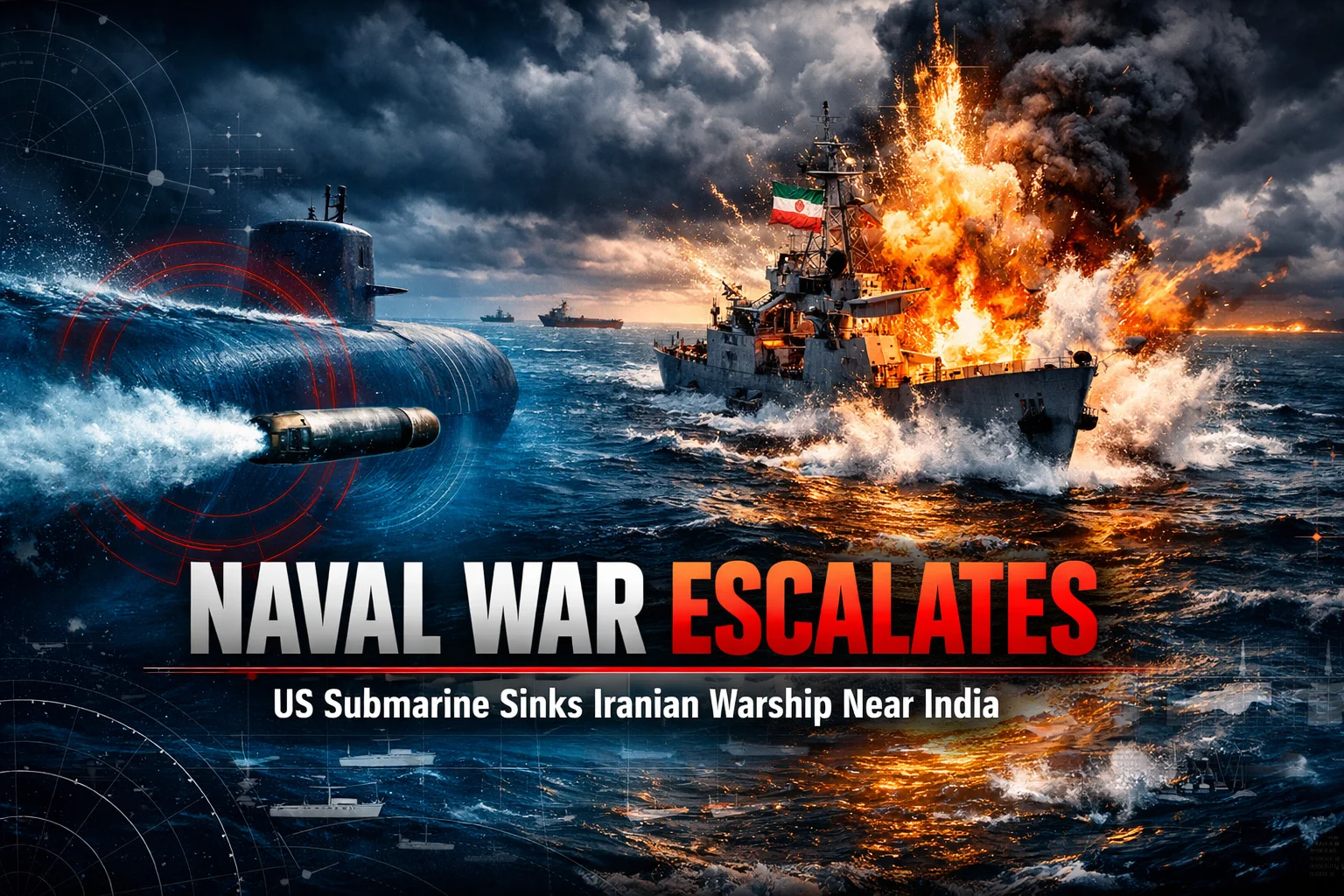
The Iranian warship IRIS Dena was reportedly sunk in the Indian Ocean after being targeted by a US submarine.
The attack occurred near the coast of Sri Lanka, relatively close to India’s maritime neighborhood.
Reports suggested that around 87 sailors died when the ship was destroyed.
Rescue operations were conducted by regional forces, including the Sri Lanka Navy, while India also participated in humanitarian assistance efforts.
The event immediately triggered debates across international media.
Some outlets questioned India’s role as a regional maritime power.
But the full picture was more complex.
Sources: Reuters
Why India Allowed the Iranian Warship to Dock
The Iranian ships had originally arrived in India for naval events including the International Fleet Review 2026 and the multinational exercise MILAN Naval Exercise.
Welcome! | خوش آمدید!
— Eastern Naval Command 🇮🇳 (@IN_HQENC) February 17, 2026
🇮🇳🤝🇮🇷 Indian Navy welcomes IRIS Dena, of the Iranian Navy, on her arrival at #Visakhapatnam to participate in #IFR2026_India and #MILAN2026, reflecting long-standing cultural links between the two nations.@India_in_Iran #BridgesOfFriendship… pic.twitter.com/O77v2qNJHJ
When the regional security situation deteriorated, India reportedly offered the Iranian vessels temporary shelter.
However, the two ships responded differently.
- IRIS Lavan accepted the offer and moved toward Kochi.
- IRIS Dena declined the shelter and attempted to continue its journey.
That decision proved fatal.
Once the ship entered international waters again, it became vulnerable to attack during the ongoing conflict.
Sources: The Indian Express
The Humanitarian Reason Behind India’s Decision
India’s external affairs minister Subrahmanyam Jaishankar later explained the reasoning behind allowing the ship to dock.
According to him, the decision was taken purely on humanitarian grounds.
❗️‘We Did the Right Thing’: 🇮🇳 EAM Jaishankar on Permitting Iran’s IRIS Lavan to Dock in Kochi on ‘Humanitarian Grounds’
— RT_India (@RT_India_news) March 7, 2026
India aided the Iranian ship after they reported it was ‘having problems and wanted to come to our port,’ EAM Jaishankar said while speaking at the Raisina… pic.twitter.com/QY64zUeR3Y
The Iranian vessels were far from their home country and caught in a rapidly escalating conflict zone.
Many of the personnel onboard were reportedly young naval cadets.
Providing safe harbor in such circumstances is consistent with maritime humanitarian principles.
This was deliberate.
The ships were not allowed to use Indian territory for military operations.
Instead, the objective was simply to ensure the safety of the crew.
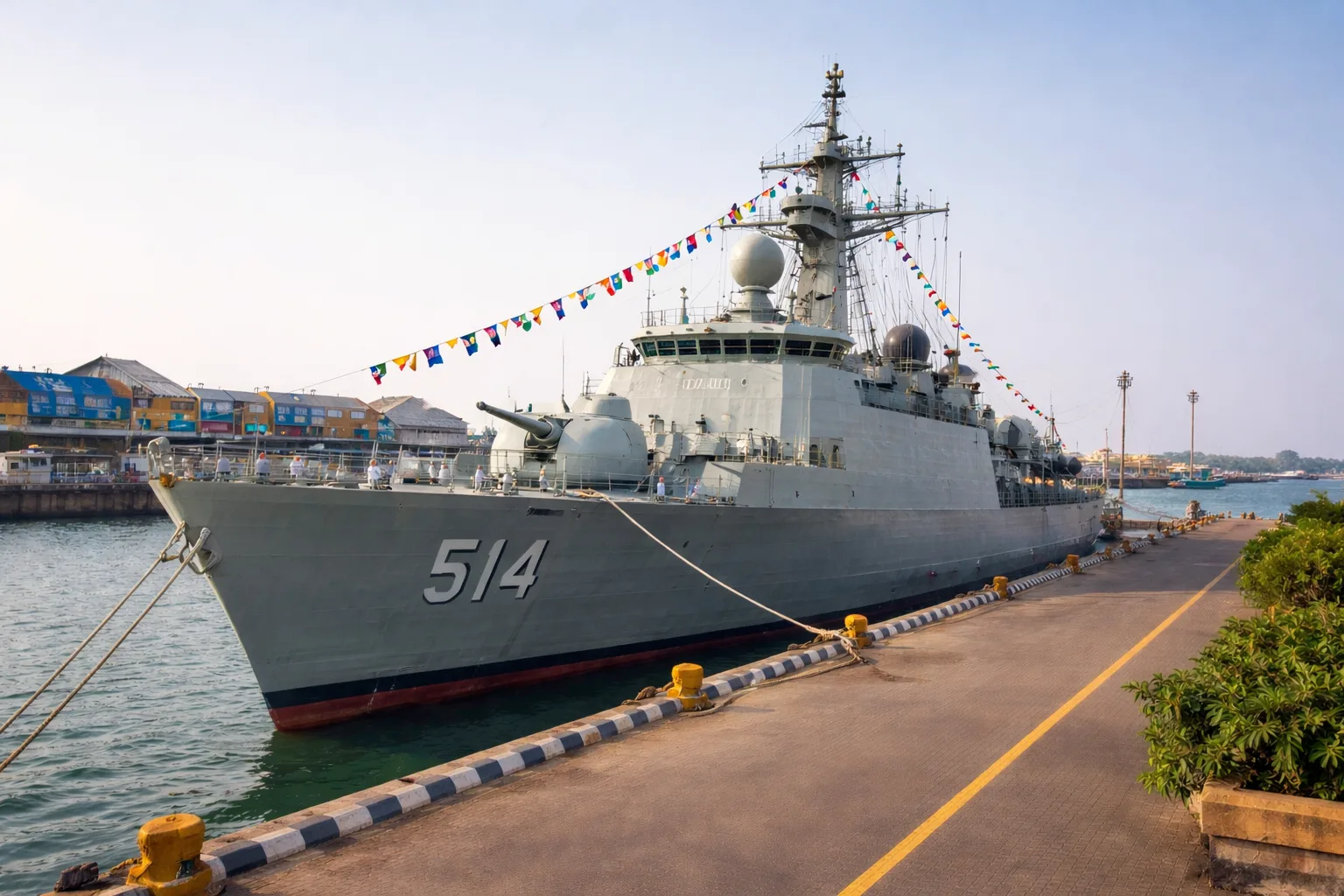
Image credit: AI-generated using ChatGPT by OpenAI
Image used for Representative & Illustrative purpose only.
The Debate Over “Guardian of the Indian Ocean”
The incident also triggered political commentary.
Some international media outlets criticized India by suggesting that the sinking of an Iranian ship in the Indian Ocean challenged the claim that India acts as the “Guardian of the Indian Ocean.”
But this interpretation misunderstands what that phrase means.
Being a maritime security provider does not imply controlling every conflict between foreign powers.
Rather, it refers to responsibilities such as:
- humanitarian assistance
- disaster response
- maritime rescue operations
- regional stability efforts
In this context, providing shelter to a vulnerable ship fits precisely within that role.
Sources: Al Jazeera, NDTV
Why the Incident Matters for Indian Ocean Security
The events involving IRIS Lavan and IRIS Dena illustrate how quickly global conflicts can reach the Indian Ocean.
Several strategic realities emerge from this episode:
- The Indian Ocean is becoming increasingly central to global geopolitics.
- Naval conflicts between major powers can occur near India’s maritime region.
- Humanitarian maritime diplomacy remains a key tool of regional stability.
India’s decision to provide safe harbor avoided further escalation while maintaining neutrality in the broader US–Iran confrontation.
And that balance is becoming more important as geopolitical tensions spread across maritime trade routes.
Conclusion
The episode surrounding Iran thanks India for IRIS Lavan docking highlights the intersection of geopolitics and humanitarian maritime policy.
While one Iranian ship was lost during escalating naval tensions, another survived because India offered safe harbor at Kochi.
This decision did not represent military alignment with any side.
Instead, it reflected a long-standing principle of maritime conduct: providing assistance to vessels and crews facing danger far from home.
In an era where great-power competition increasingly reaches the world’s oceans, such humanitarian choices can help prevent local crises from escalating into wider confrontations.
FAQs
Why is the Iranian warship IRIS Lavan in Kochi?
The Iranian warship IRIS Lavan docked at Kochi after India offered temporary shelter during regional naval tensions.
Why did Iran thank India recently?
Iran thanked India for allowing its ship IRIS Lavan to remain safely docked at Kochi during the ongoing US-Iran conflict in the region.
What happened to the Iranian warship IRIS Dena?
IRIS Dena was reportedly sunk in the Indian Ocean after being targeted during the US-Iran naval confrontation.
Can foreign warships dock in Indian ports?
Yes. Foreign naval vessels can dock in Indian ports with permission from the government, often during exercises, visits, or humanitarian situations.
What does “Guardian of the Indian Ocean” mean?
The phrase refers to India’s role in maintaining maritime security, assisting ships in distress, and promoting stability across the Indian Ocean region.
What Does This Incident Say About India’s Role in the Indian Ocean?
The case of IRIS Lavan docking in Kochi raises broader strategic questions.
Should India continue acting as a humanitarian maritime stabilizer when global conflicts reach nearby waters?
Or could such decisions create diplomatic pressure from competing powers?
Consider these questions:
- How should regional powers respond when foreign naval conflicts enter nearby seas?
- Can humanitarian maritime policies prevent escalation in tense regions?
- And what does this episode reveal about India’s growing role in Indian Ocean security?
Share Your Thoughts in the Comments below.
Because as maritime geopolitics intensifies, every decision at sea carries strategic consequences.
Read more about US Submarine sinks Iranian Warship IRIS Dena near India. Explore more about Defense & Security, Indian Affairs and World Affairs.