Table of Contents
US Iran War Duration: Trump Signals a Longer Conflict
The US Iran war duration question is now central to global strategic calculations.
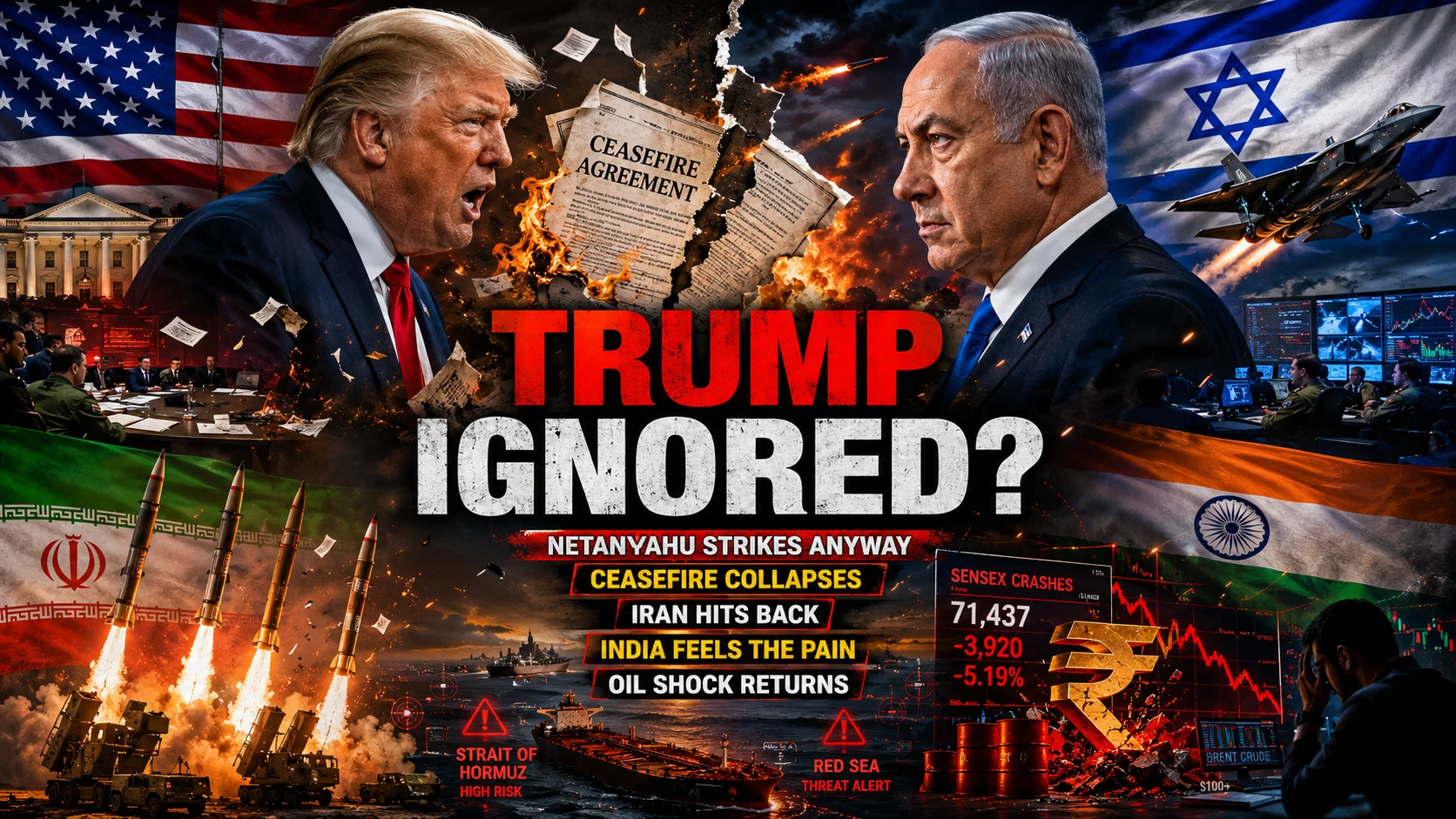
Donald Trump recently stated that the war could last four to five weeks — and potentially much longer. He emphasized that the United States is prepared for an extended campaign and rejected the idea that Washington would lose focus midway.
“We don’t get bored,” he said in response to speculation that the conflict might be shortened for political reasons.
Trump says war with Iran 🇮🇷 may go longer to 4 – 5 weeks.
— BITCOIN EXPERT INDIA (@Btcexpertindia) March 2, 2026
Trump states the goals of the U.S. war on Iran:
– Destroy Iran’s missile capabilities
– Annihilate Iran’s navy
– Ensure Iran can never obtain a nuclear weapon
– Ensure Iran cannot operate external proxies pic.twitter.com/Bln9Fp8RbX
That line was deliberate.
It signals preparation for sustained operations rather than a short punitive strike.
If the timeline extends beyond a month, this becomes a structural conflict — not a tactical episode.
Sources: Al Jazeera, The Guardian
Ground Troops and the Escalation Threshold
When asked whether American soldiers could be deployed on Iranian soil, Trump did not rule it out.
He framed it conditionally — “if necessary.”
That matters.
“The hardest hits are yet to come.” — Warning from the US Secretary of State Marco Rubio on the Iran war.
The hardest hits are yet to come from the U.S. military, says US secretary of State Marco Rubio pic.twitter.com/b2XZY5ojTJ
— Sidhant Sibal (@sidhant) March 3, 2026
Historically, US conflicts escalate in phases: air dominance, infrastructure targeting, then possible limited ground involvement. Leaving the option open increases deterrence pressure — but also widens escalation risk..
The stated objectives are ambitious:
- Destruction of Iran’s long-range missile program
- Prevention of future missile capabilities
- Potential political restructuring inside Iran
The last objective is especially complex. Regime transformation is rarely achieved quickly.
And that raises the central concern: if objectives are maximalist, the war duration naturally stretches.
Sources: News on Air, New York Post
NATO’s Position: Support Without Full Entry?
NATO has publicly praised US and Israeli actions but stopped short of announcing alliance-wide military entry.
European leaders, including Ursula von der Leyen, have warned that the conflict could widen and urged preparedness for “all outcomes.”
Support may include:
- Intelligence sharing
- Base access
- Logistical coordination
- Airspace support
But full NATO engagement remains unclear.
This hesitation reflects internal European caution about entering another prolonged Middle Eastern conflict.
Sources: Fox News, Reuters, The Times of Israel, Gulf News
Strait of Hormuz Risk and Oil Shock Fears
The Strait of Hormuz remains the conflict’s economic pressure point.
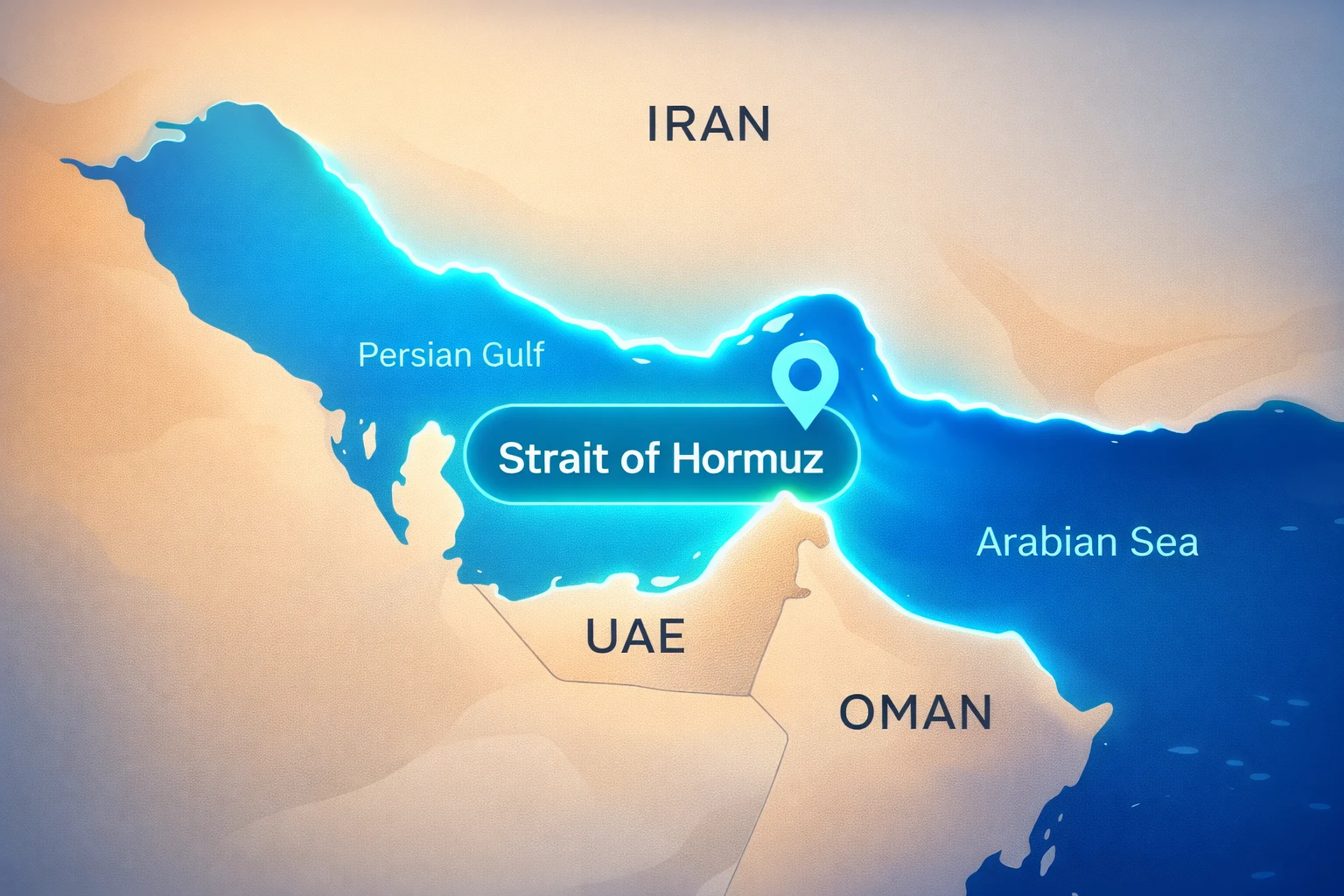
Image credit: AI-generated using ChatGPT by OpenAI
Iran has warned that it could restrict or attack oil transit through this narrow chokepoint. Roughly 20% of global oil shipments pass through this corridor.
If disruption becomes sustained, oil prices could surge sharply.
And when oil surges, inflation follows.
Asian markets have already shown signs of stress, with investors factoring in possible supply disruption scenarios.
Energy volatility is no longer hypothetical.
It is being priced in.
Sources: Mint
India, Japan and Strategic Oil Buffers
India’s strategic petroleum reserves are estimated to provide roughly 50+ days of buffer, depending on release rate. Japan has indicated it holds reserves sufficient for approximately 250 days.
These buffers exist for exactly this scenario.
However, reserves are not a long-term solution.
If Strait of Hormuz disruption continues for months, countries must:
- Diversify supply
- Increase imports from alternative sources
- Manage currency and fiscal pressure
For India, prolonged disruption could widen the current account deficit and strain inflation control.
This is why the war duration question directly links to domestic economic stability.
Sources: The Mainichi, ANI News, Times of India
Missile Defense Relocation and Asian Security Stress
One under-discussed consequence is potential redeployment of US missile defense systems.
There are reports that Patriot and THAAD systems stationed in East Asia could be shifted toward the Middle East if Iranian missile barrages intensify.
If assets are moved from South Korea or Japan, it alters regional deterrence balances.
That creates secondary ripple effects.
Because any perception of weakened missile coverage in East Asia invites strategic recalculations.
Sources: Jordan News
China’s Strategic Window?
China is observing closely.
If US resources remain tied down in the Middle East while Europe stays focused on Ukraine, Beijing may perceive an opportunity window.
Particularly regarding Taiwan.
This does not mean action is guaranteed.
But strategic planners evaluate timing constantly.
A prolonged US–Iran conflict stretches American military resources across multiple theaters.
That is the broader geopolitical stress test now unfolding.
Conclusion: Duration Defines Consequence
The US Iran war duration is no longer a secondary detail.
It is the defining variable.
A four-week conflict produces turbulence.
A multi-month conflict reshapes power balances.
Oil markets, NATO cohesion, Asian deterrence posture, and China’s calculus all hinge on how long this war continues.
Trump’s message was clear: prepare for a long campaign.
And in geopolitics, duration often determines destiny.
FAQs
How long can the US Iran war last?
President Trump suggested four to five weeks initially, but indicated US Iran War duration could extend beyond that if objectives are not met.
Has NATO joined the war against Iran?
NATO has expressed support but has not formally entered the conflict as a full alliance participant.
What happens if Strait of Hormuz closes?
Global oil supply would tighten significantly, likely pushing prices upward and increasing inflation pressure worldwide.
How much oil does India have in reserve?
India’s strategic reserves are estimated to cover roughly 50+ days, depending on usage and release pace.
Can China act during US Iran war?
A prolonged US focus on the Middle East could create strategic openings, but any action would depend on multiple geopolitical variables and US Iran War Duration.
Strategic Outlook: What to Watch Next
Three indicators will determine the trajectory:
- Whether US objectives shift from military degradation to regime restructuring
- Whether Strait of Hormuz disruption becomes sustained
- Whether secondary theaters, particularly East Asia, experience strategic movement
The war’s length will shape the decade.
And the clock is already ticking.
Share Your Views in the Comments below.
Explore more about Defense & Security, Economy & Trade and World Affairs.