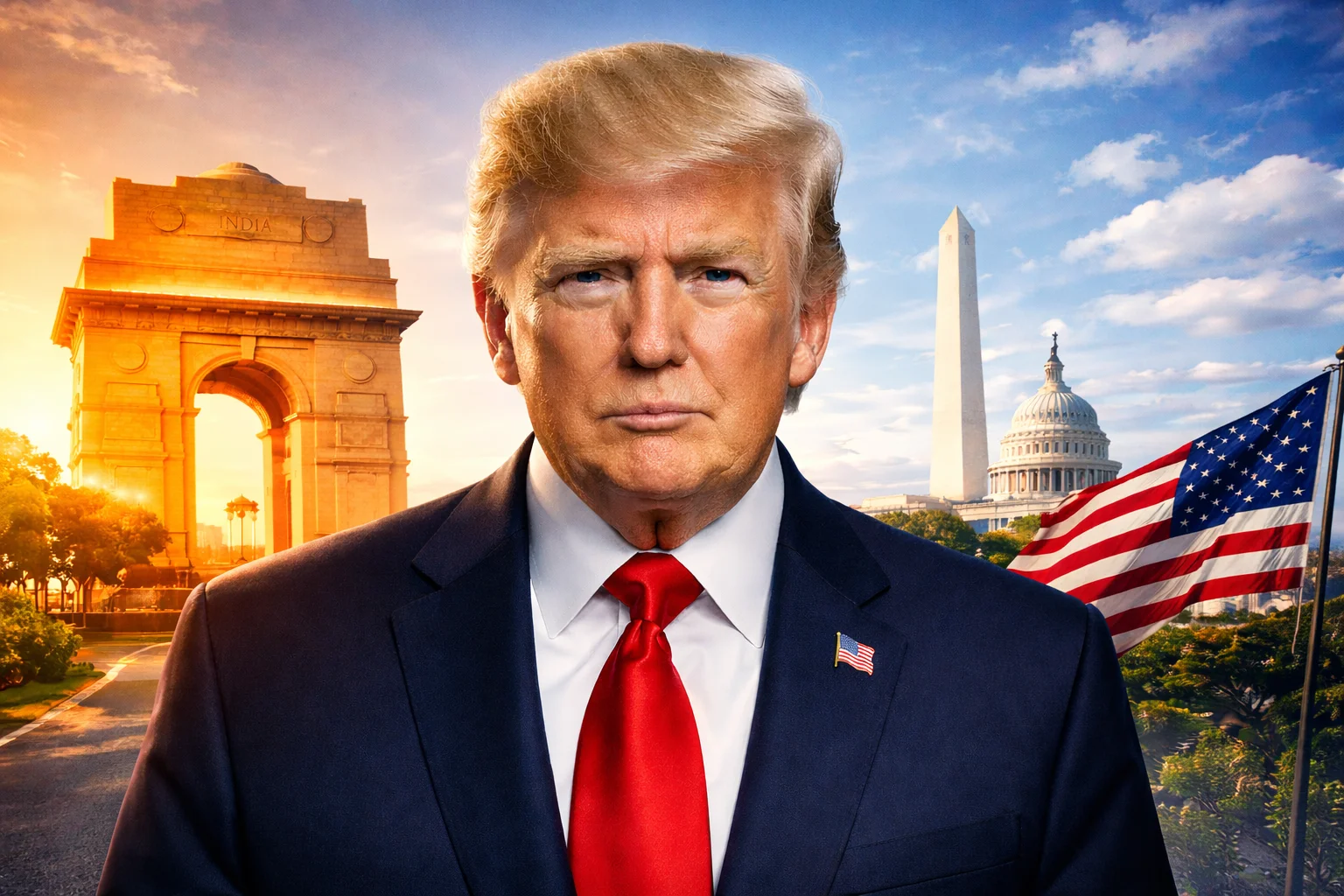
Donald Trump American Gate plan has shocked the world. From praising India Gate to hinting at a massive US monument, this deep investigation reveals the political pressure, legacy fears, and hidden motives behind Trump’s move.
Table of Contents
Introduction: A Tweet That Sparked Global Curiosity
Donald Trump American Gate was not a phrase anyone expected to trend. Yet it all began with a single tweet that quietly sent shockwaves through political and diplomatic circles.
Donald Trump shared an image of India Gate, praising its beauty and historical weight. But the real surprise followed when he hinted that the United States would soon build something even grander in its own capital.
Why would a sitting US president suddenly dream of a massive monument inspired by India Gate? And why now, when his presidency appears surrounded by mounting pressure?
The answers go far beyond architecture.
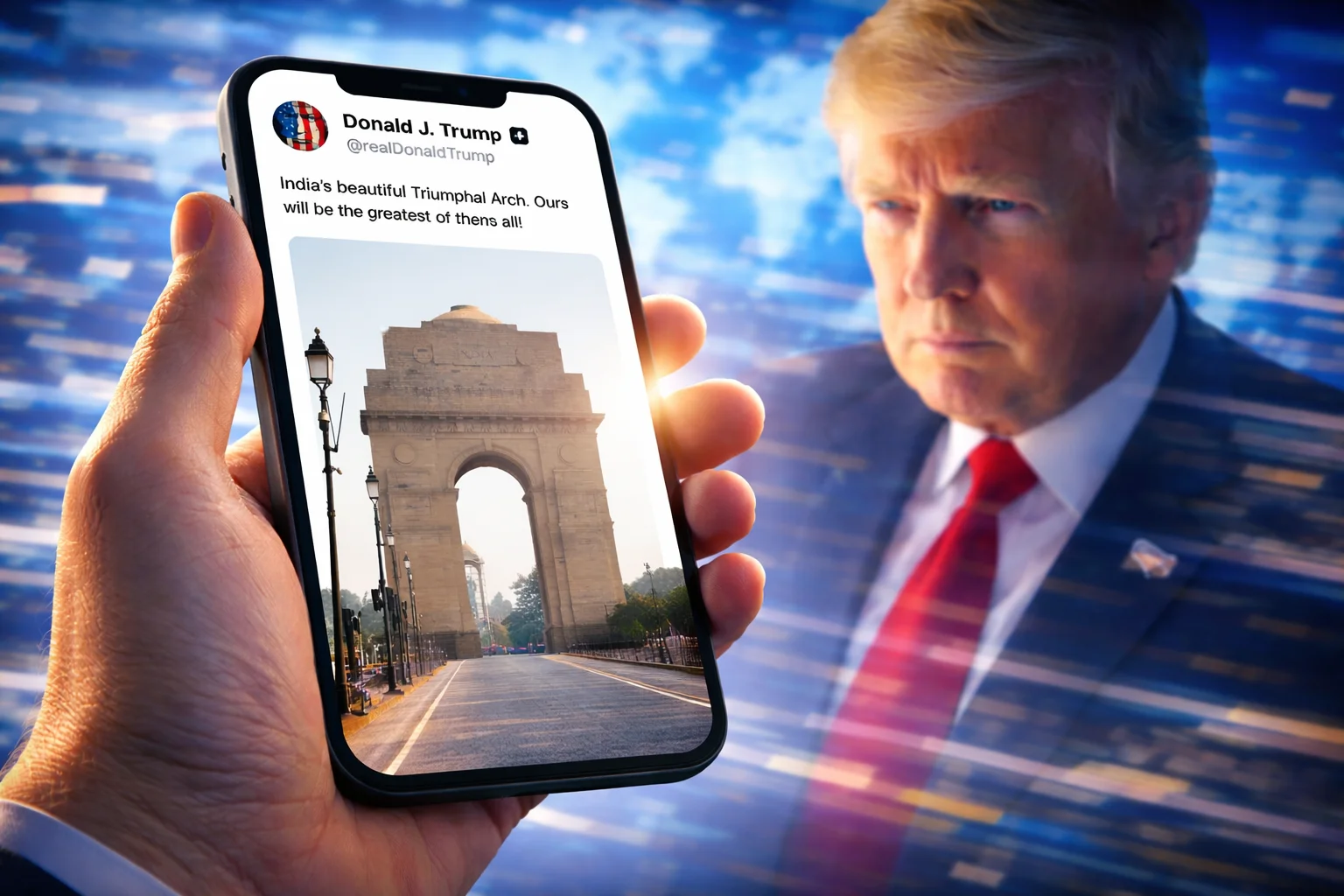
Image credit: AI-generated using ChatGPT by OpenAI
When Donald Trump Discovered India Gate
India Gate is not just a landmark; it is a war memorial etched with sacrifice. Built in 1931, it honors more than 70,000 Indian soldiers who lost their lives during World War I.
Trump referred to it as a “triumphal arch,” a description technically accurate in design but culturally distant from how Indians perceive it. His admiration, however, quickly turned into aspiration.
He suggested that Washington DC deserved a similar — but larger — structure, planting the first seed of what would later be discussed as the Donald Trump American Gate idea.
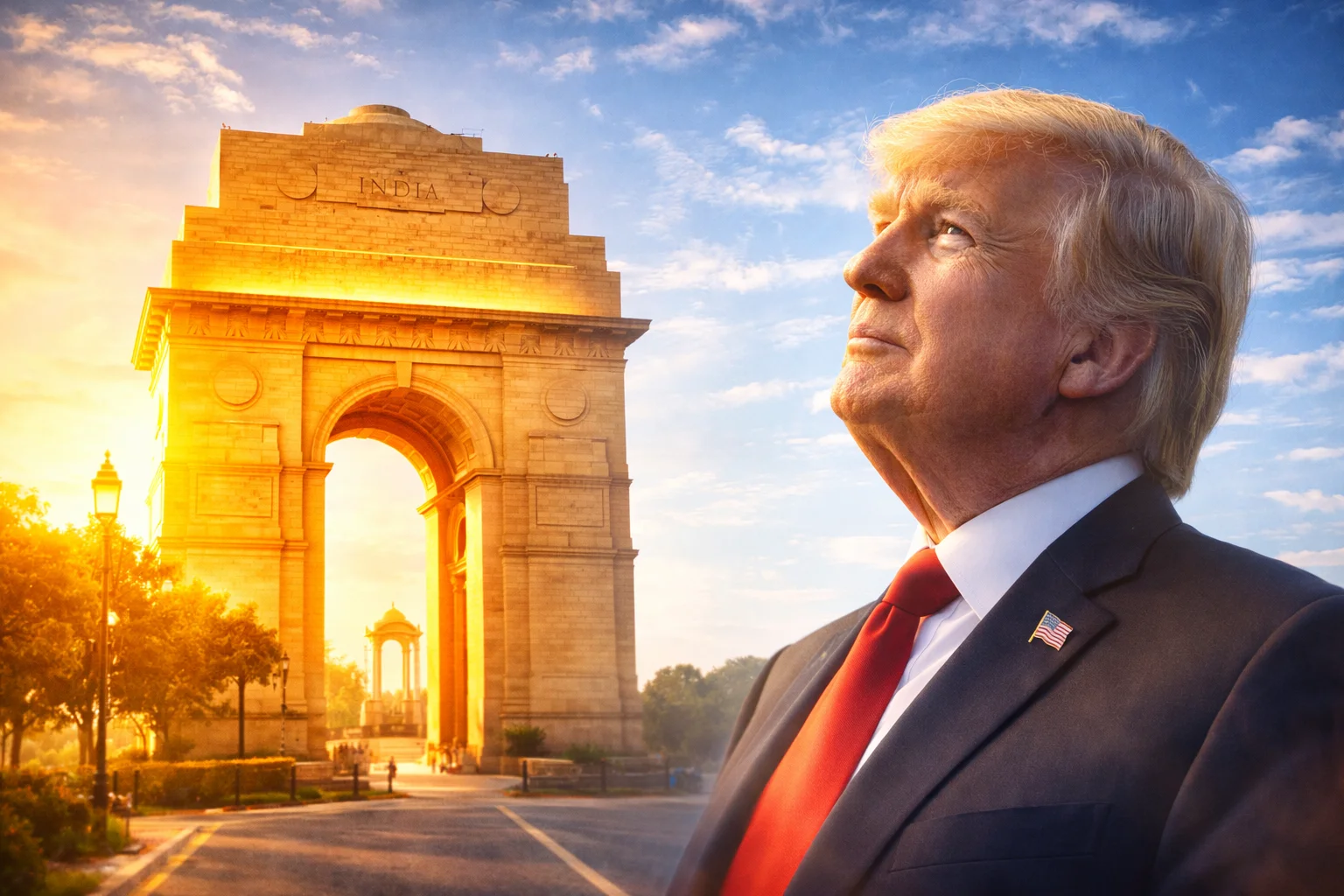
Image credit: AI-generated using ChatGPT by OpenAI
Why a Monument Now? The Psychology of Power
Throughout history, leaders under pressure have often turned to monuments. When political achievements slow down, physical symbols step in to create permanence.
Trump’s presidency is increasingly defined not by groundbreaking reforms but by controversies, stalled promises, and public fatigue. In such moments, monuments become tools — not of governance, but of narrative control.
A colossal gate in the US capital would not just reshape the skyline. It would attempt to redirect public attention at a critical time.
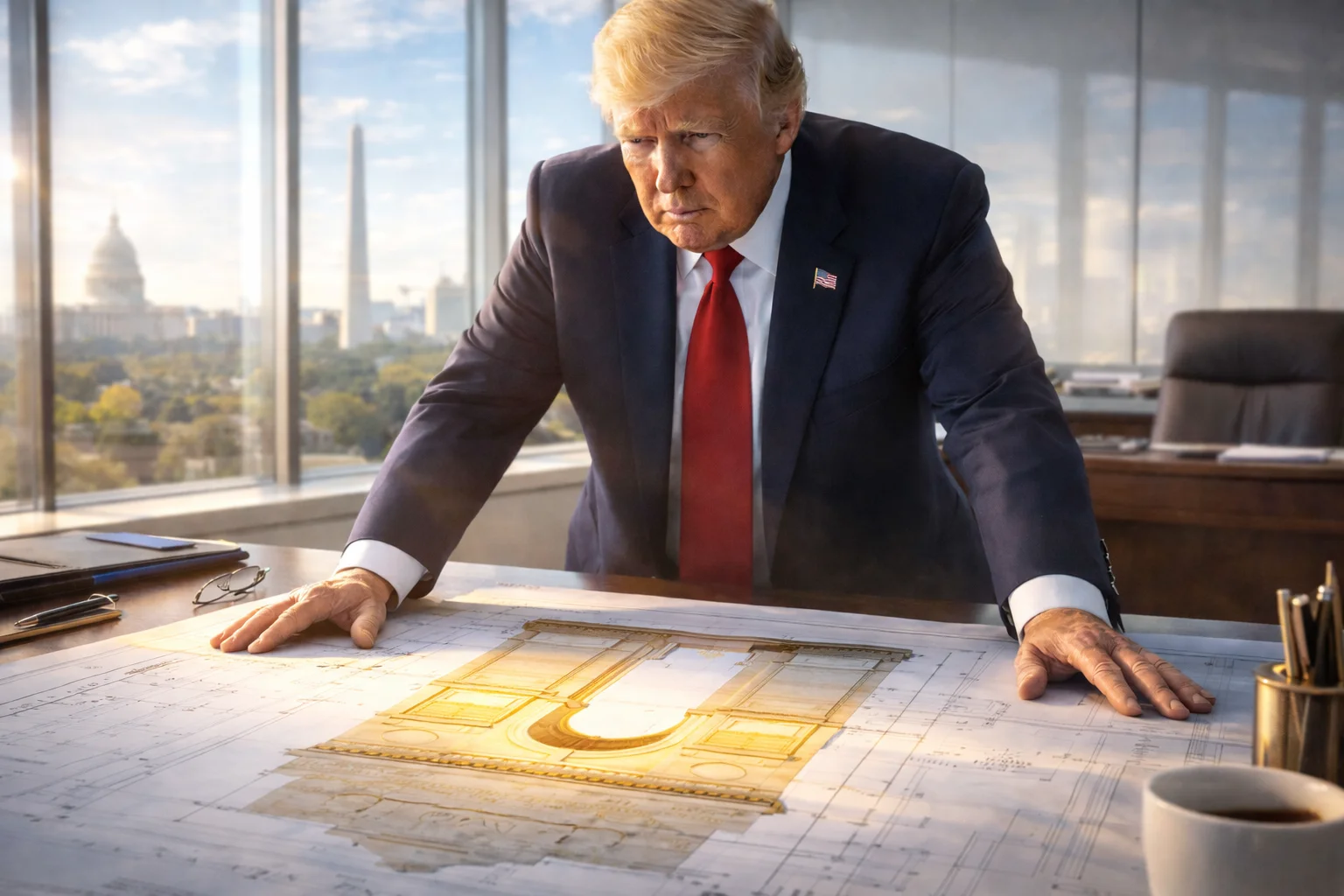
Image credit: AI-generated using ChatGPT by OpenAI
Falling Approval Ratings and a Shrinking Core Base
Polling data across the United States reveals a consistent pattern: Trump’s approval ratings have been falling across major issues.
Foreign policy, inflation control, economic stability, and internal governance all show declining public confidence. More concerning for Trump is the gradual erosion of his once-solid core voter base.
This decline has fueled speculation among analysts that the coming years could be politically brutal. In this context, the Donald Trump American Gate concept begins to look less symbolic and more strategic.
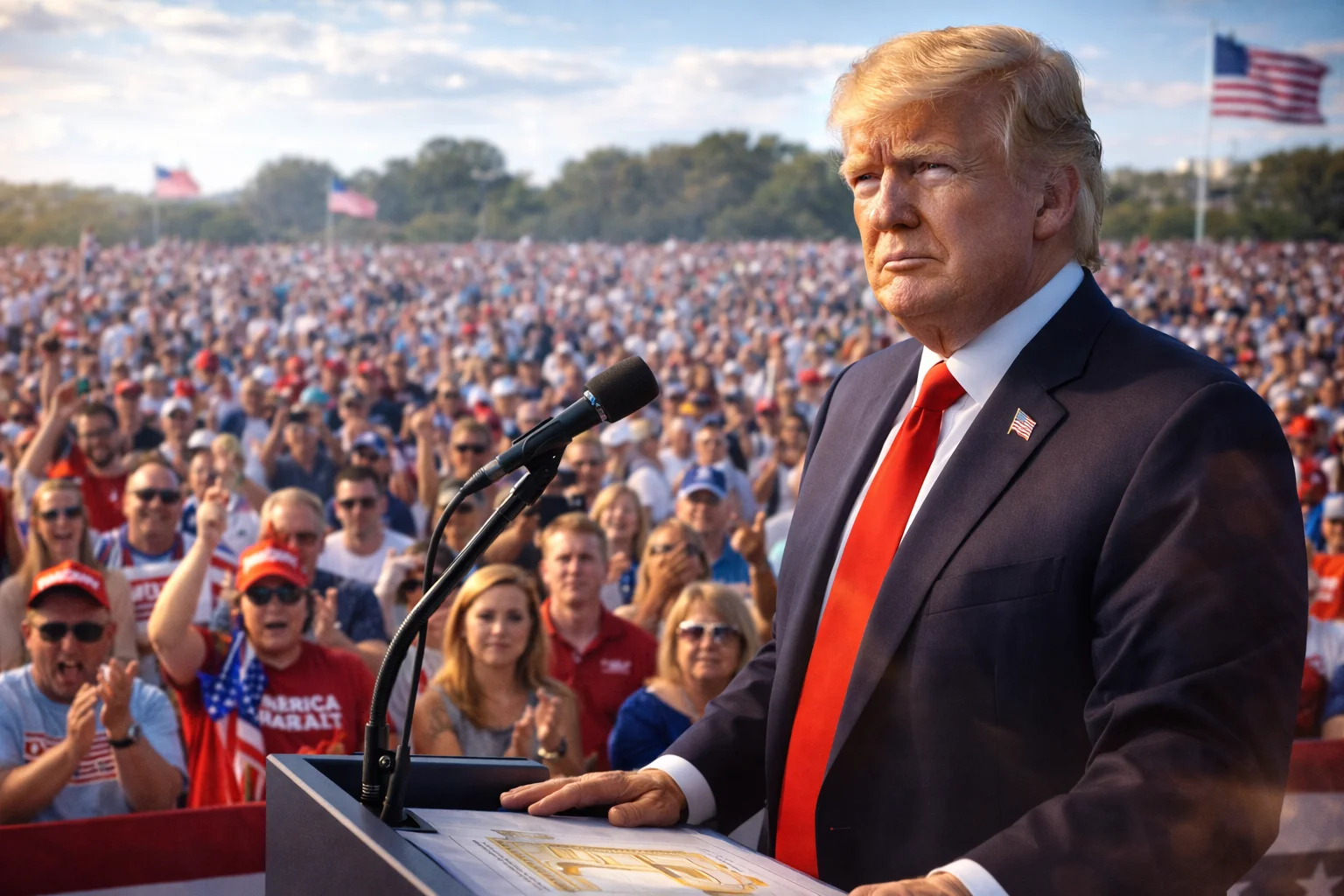
Image credit: AI-generated using ChatGPT by OpenAI
The Shadow of Jeffrey Epstein
Few controversies have damaged Trump’s image as deeply as his perceived association with Jeffrey Epstein.
Epstein’s crimes exposed the darker side of elite networks in the US. Archived photos, videos, and testimonies have fueled speculation about who knew what — and when.
Although Trump has repeatedly denied any involvement, the lingering questions have eroded trust. For many Americans, this scandal reshaped how they view his leadership.
For background context, readers can explore Epstein’s case history via publicly documented records on authoritative platforms like Wikipedia.
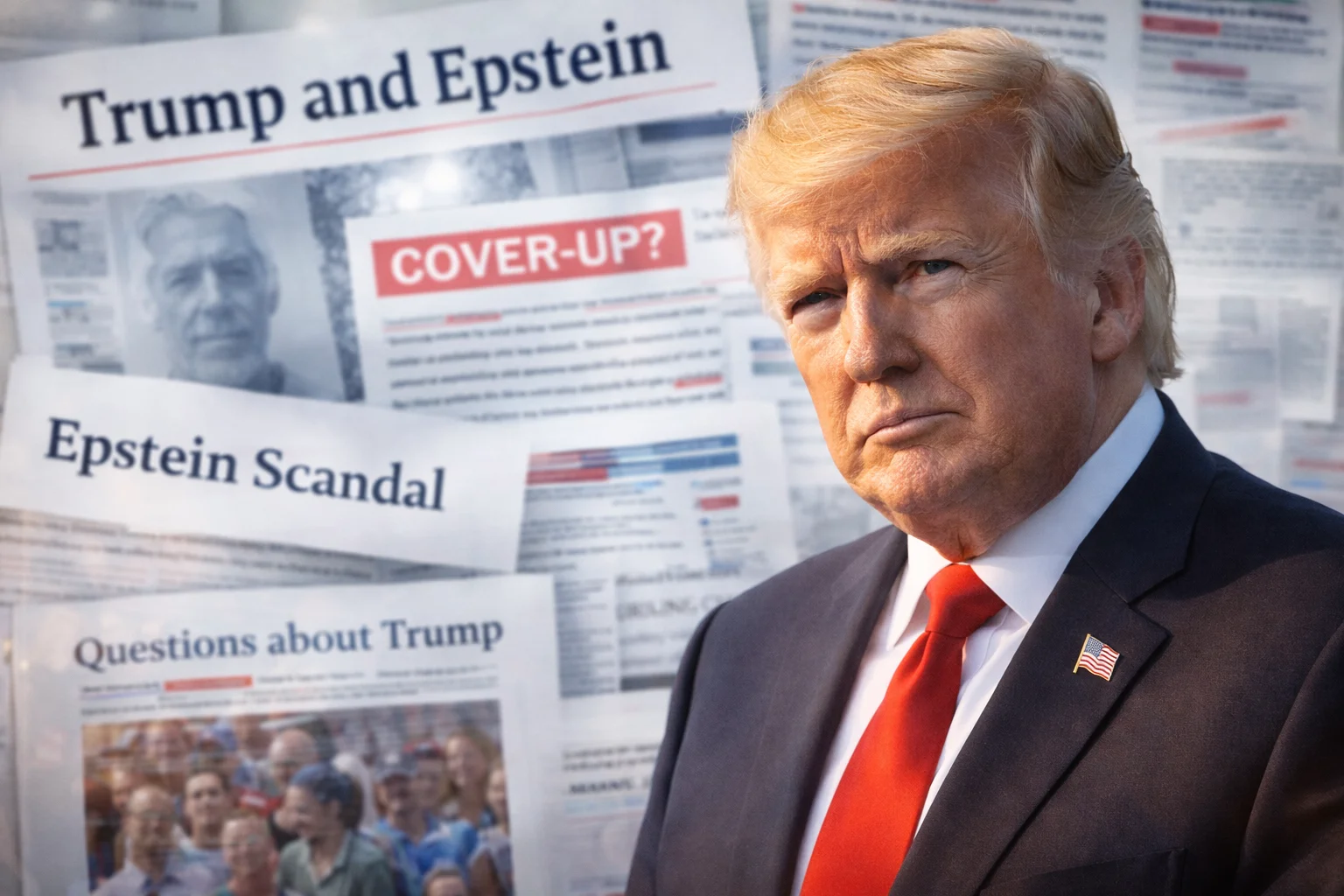
Image credit: AI-generated using ChatGPT by OpenAI
Comedy, Courtrooms, and Trevor Noah
When humor strikes power, it often reveals vulnerability.
During a major awards event, Trevor Noah joked about Trump and Epstein. The response was swift and aggressive, with Trump hinting at legal action.
Comedy spreads faster than press briefings. And in modern politics, ridicule can undermine authority more effectively than opposition speeches.

Image credit: AI-generated using ChatGPT by OpenAI
Dollar Anxiety and America’s Economic Nerves
Beyond scandals lies a deeper concern: the future of the US dollar.
Trump has argued that a weaker dollar could boost American exports, a view that divides economists. Some agree in theory, while others warn of long-term instability and declining global trust.
Economic uncertainty weighs heavily on voters. Against this backdrop, grand national symbols promise emotional reassurance — even if they offer no economic solution.
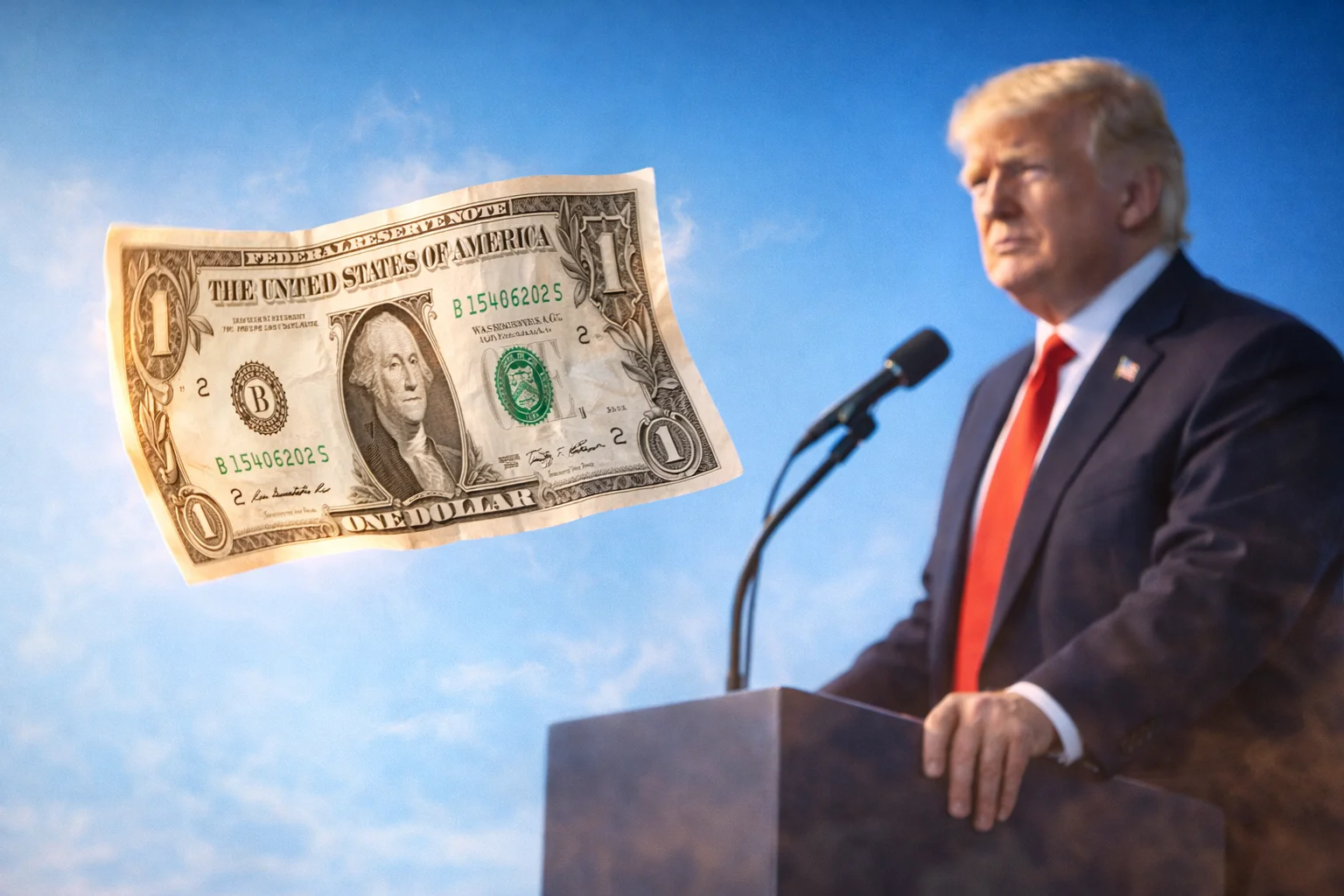
Image credit: AI-generated using ChatGPT by OpenAI
From Ancient Rome to Modern Capitals: The Politics of Arches
Triumphal arches have always been political statements. Ancient Rome perfected them to immortalize emperors and victories.
Structures like the Arch of Constantine, Wellington Arch, Arch of Triumph , Patuxai and the Arc de Triomphe were never just architectural feats. They were declarations of power.
For historical reference, you may explore detailed architectural histories of these monuments through museum archives and academic sources mentioned above.
What India Gate Really Symbolizes
India Gate was constructed under British rule, but its meaning evolved after independence.
The addition of Amar Jawan Jyoti after the 1971 war transformed it into a symbol of national sacrifice and remembrance. Today, it represents humility, not conquest.
This distinction is crucial. While India Gate honors loss, the proposed Donald Trump American Gate appears focused on legacy-building rather than remembrance.
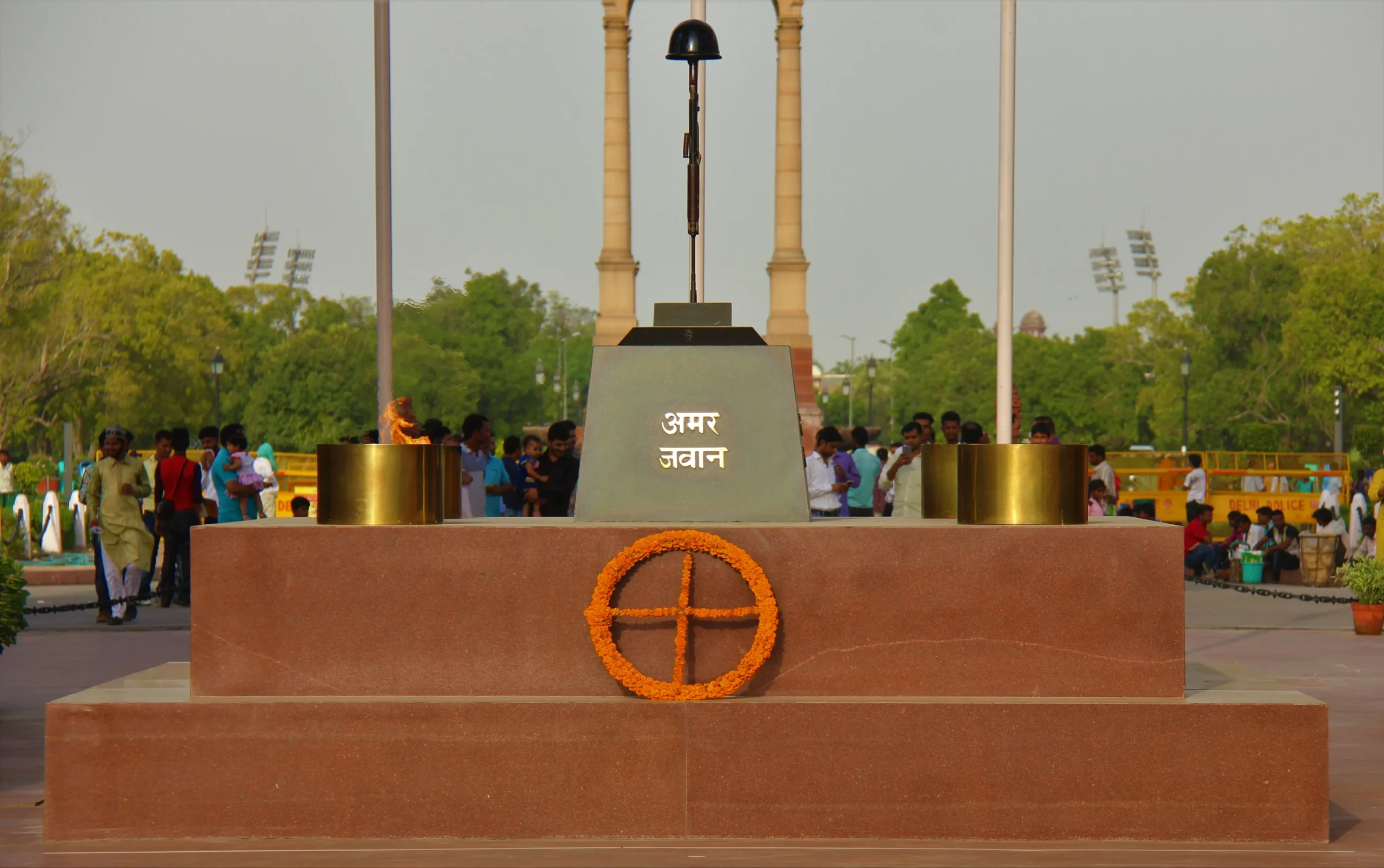
Image Credit : By AKS.9955 – Own work, CC BY-SA 4.0, Link via Wikimedia Commons
The 250th Independence Anniversary and Trump’s Last Bet
The United States will soon celebrate 250 years of independence — a historic milestone. Trump sees this moment as an opportunity for spectacle.
New structures, grand announcements, and visible legacies offer something polls cannot: permanence. Stone and steel outlast approval ratings.
If political wins remain limited, a monument could still define how this presidency is remembered.
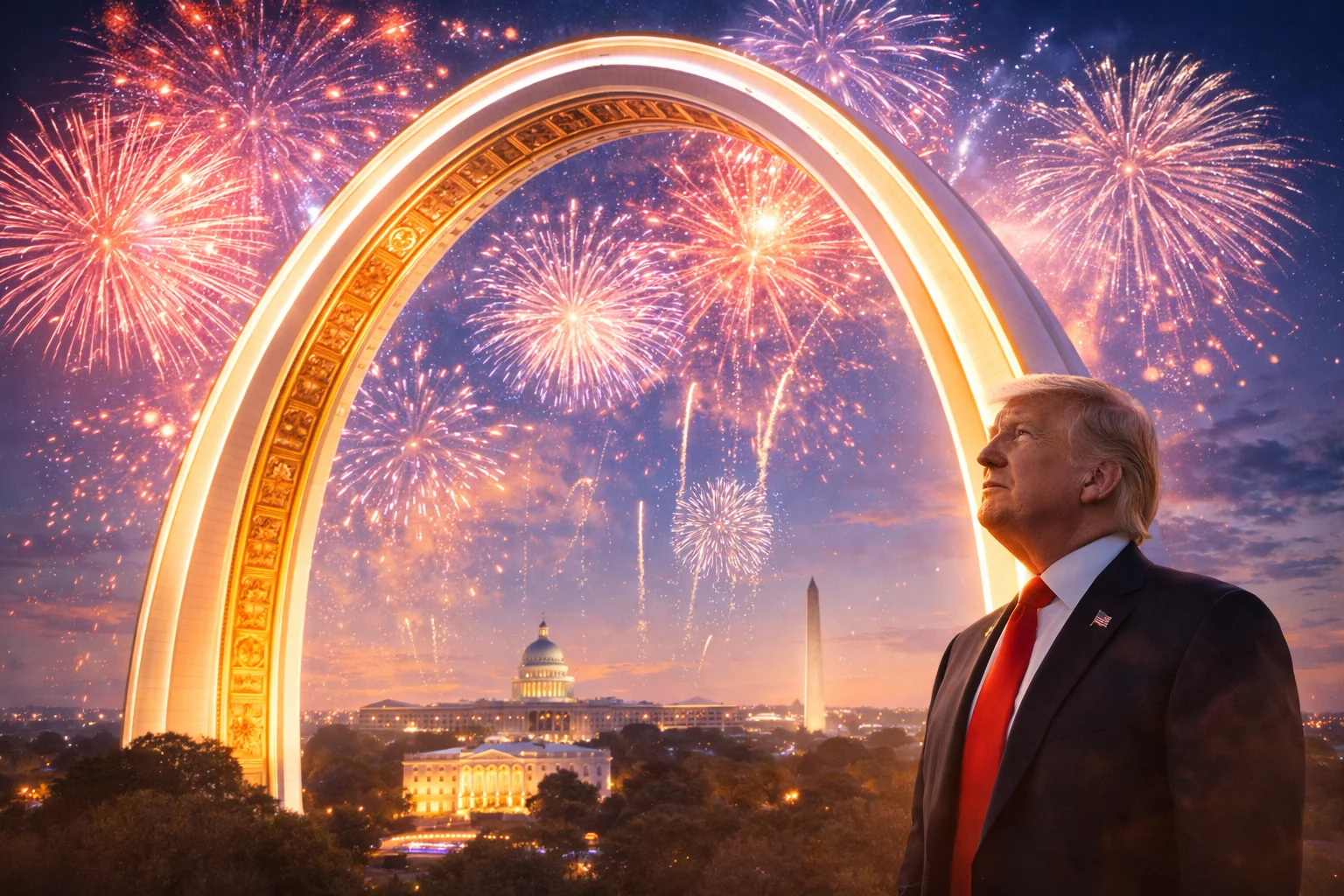
Image credit: AI-generated using ChatGPT by OpenAI
Is This About Legacy—or Distraction?
Every leader under pressure faces a choice: fix structural problems or reshape perception.
The push for a massive gate suggests an attempt to shift the narrative away from economic fears, geopolitical setbacks, and unresolved controversies.
Whether the Donald Trump American Gate becomes a national symbol or a reminder of political distraction will be decided by history — not headlines.
Image credit: AI-generated using ChatGPT by OpenAI
FAQs
Q1. What is the Donald Trump American Gate?
It refers to Trump’s idea of building a monumental arch-like structure in Washington DC inspired by global landmarks such as India Gate.
Q2. Why did Trump mention India Gate?
He publicly admired its design and symbolism, using it as a reference point for a proposed US monument.
Q3. Is this monument officially approved?
No official construction plans or approvals have been finalized yet.
Q4. Why is this idea controversial?
Critics argue it prioritizes symbolism over policy during a time of economic and political strain.
Share Your Opinions
Monuments tell stories long after leaders leave office.
Do you believe the Donald Trump American Gate would strengthen national pride — or expose political insecurity?
Share your perspective and explore deeper analyses in our World Affairs, Indian Affairs and Strategic Depth sections.