Table of Contents
Introduction: A War Stuck Without a Solution
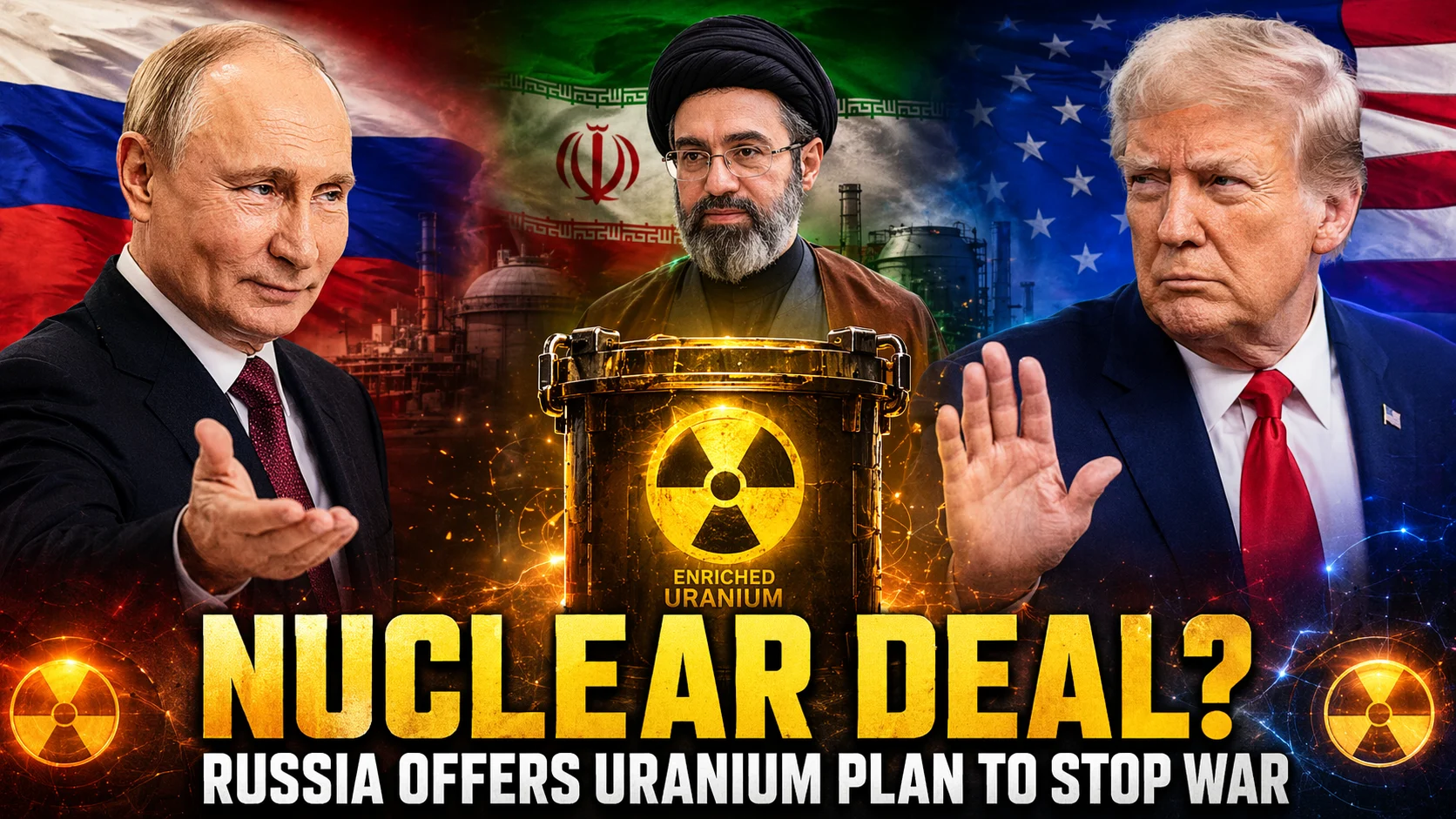
The search for an Iran nuclear deal solution has reached a critical moment.
After failed negotiations between United States and Iran in Islamabad, tensions are no longer contained. The conflict has already stretched over 45 days, and now warnings of renewed strikes are back on the table.
Here’s what that means.
The war is no longer just about territory or retaliation.
It is about nuclear capability—and who controls it.
And now, Russia has stepped in with a proposal that could reshape everything.
Sources: The Economic Times
Why US–Iran Talks Failed Again
The breakdown was predictable.
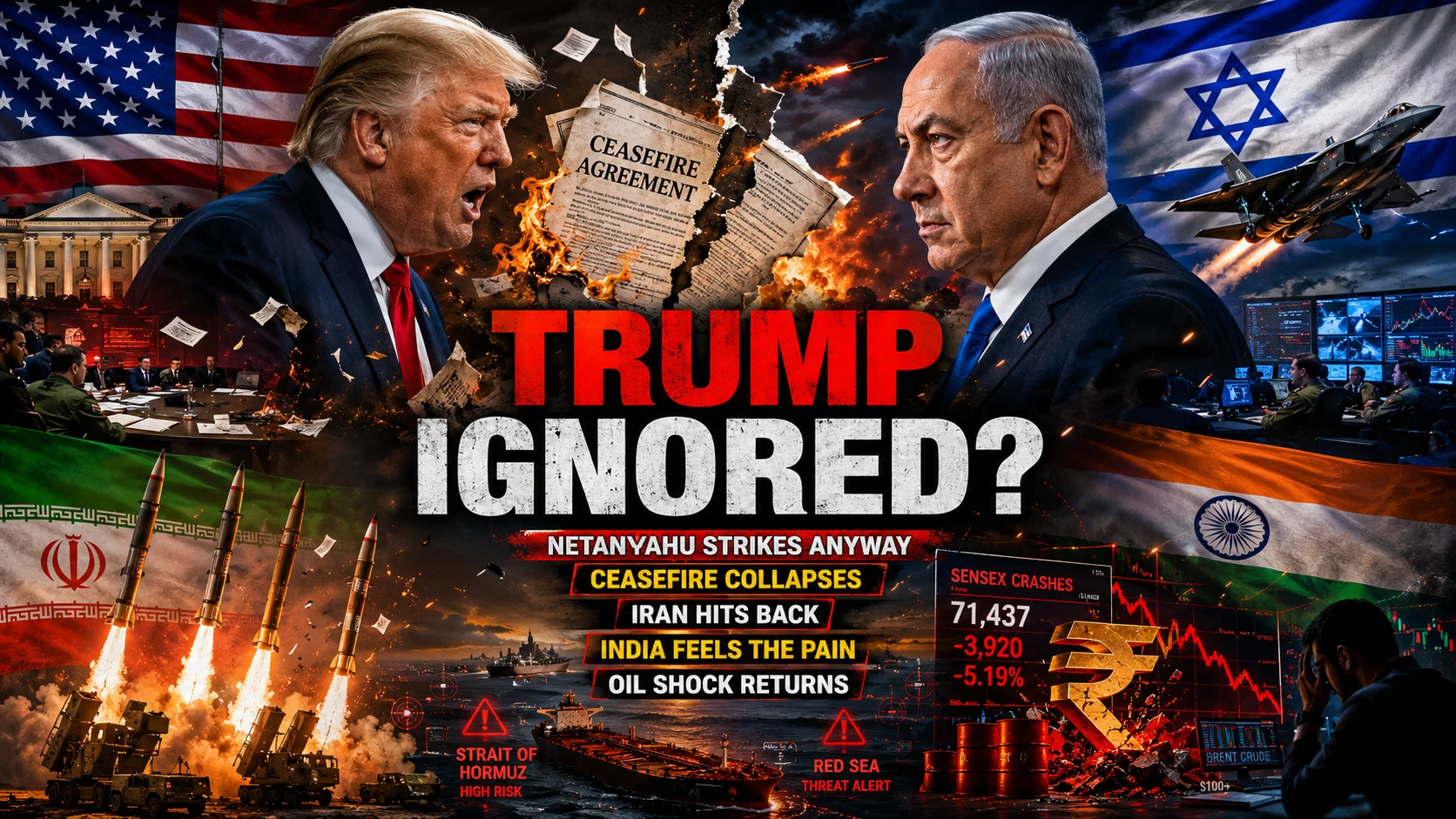
According to Donald Trump, the central demand remains unchanged:
- Iran must not possess enriched uranium capable of weaponization (Nuclear Weapon)
🚨 PRESIDENT TRUMP: "That's right, I guess you're listening. Iran will NEVER have a nuclear weapon!"
— The Patriot Oasis™ (@ThePatriotOasis) April 13, 2026
"You marking it DOWN? We are going to get the dust back, or we are going to take it!" pic.twitter.com/YuaXpuLllN
But Iran’s stance is equally firm:
- It will not surrender its nuclear leverage
This is where negotiations collapse—every time.
The gap is not procedural.
It is strategic.
And until that gap closes, no agreement holds.
The Core Issue: Iran’s Enriched Uranium
At the heart of the crisis lies one number:
60% enriched uranium
- Iran currently holds significant quantities (around 200 kg)
- Weapons-grade uranium typically requires ~90% enrichment
- The jump from 60% to 90% is technically faster than earlier stages
That detail matters.
Because it means:
- Iran is already closer to nuclear capability than before
- The remaining steps are shorter and faster
Even after reported strikes by Israel and the US on facilities and scientists, the stockpile itself remains unresolved.
And that unresolved stockpile is the entire problem.
Russia’s Bold Proposal Explained
'[OFFER to accept Iran’s enriched uranium] is still VALID but wasn't in demand' — Kremlin
— RT (@RT_com) April 13, 2026
'Russia remains open to providing any good offices that will contribute to de-escalating of tensions around Iran' https://t.co/q3u1WEuOOS pic.twitter.com/g4LDSW1kJF
This is where Vladimir Putin enters the picture.
Russia has proposed a simple but powerful idea:
- Transfer Iran’s enriched uranium to Russia for storage
Here’s how it works:
- Iran gives up physical control of uranium
- Russia stores it securely
- The US ensures Iran cannot weaponize it
At first glance, this seems like a compromise.
But look deeper.
This is a balancing act between security and sovereignty.
Why This Solution Looks Logical
On paper, the proposal solves both sides’ concerns:
For the United States:
- Iran no longer holds enriched uranium
- Immediate nuclear risk is reduced
For Iran:
- Uranium is not surrendered to the US
- It remains within a friendly geopolitical sphere
This is crucial.
Because Iran’s domestic audience matters.
If Tehran directly hands over uranium to Washington, it risks internal backlash.
But storing it with Russia? That can be politically justified.
This is why the proposal appears workable.
Why the US May Reject the Plan
Now comes the complication.
Trust.
The US public and political system are deeply skeptical of Russia.
And there are reasons:
- Ongoing tensions over Russia-Ukraine War
- Reports of military cooperation between Russia and Iran
- Allegations of weapon transfers via the Caspian Sea
These perceptions matter.
Even if the proposal is technically sound, politically it becomes difficult.
Because the question remains:
What if Russia returns the uranium to Iran later?
That uncertainty is enough to block the deal.
Sources: The Wall Street Journal
Israel’s Role and Escalation Signals
Meanwhile, Israel is not waiting.
- Plans for further strikes are reportedly underway
- Previous operations targeted nuclear infrastructure
- Pressure is being maintained to weaken Iran’s capabilities
This shifts the timeline.
Because once military escalation resumes, diplomacy becomes harder.
This is where things accelerate.
Sources: News on AIR
Global and Economic Consequences
This conflict is not isolated.
It connects directly to:
- Oil supply disruptions
- Rising energy prices
- Global inflation
Countries like India face:
- Higher import costs
- Currency pressure
- Expanding current account deficits
And with the Strait of Hormuz under threat, the risks multiply.
This is not a regional issue anymore.
It is global.
Sources: ANI News
Final Analysis
The Iran nuclear deal solution proposed by Russia is one of the few ideas that attempts to balance competing interests.
But geopolitics is not just about logic.
It is about trust, perception, and domestic politics.
- The US cannot easily trust Russia
- Iran cannot easily surrender its leverage
- Israel is pushing for continued pressure
So where does that leave the world?
At a crossroads.
Unless a breakthrough occurs—either through a modified version of this plan or a new diplomatic initiative—the conflict is likely to escalate further.
And once escalation begins, solutions become harder—not easier.
This moment will define whether leadership chooses risk… or restraint.
FAQs
What is the Iran nuclear deal solution proposed by Russia?
Russia suggested that Iran’s enriched uranium be stored in Russia instead of Iran. This would reduce nuclear risk while allowing Iran to avoid directly handing it over to the US.
Why is enriched uranium such a big issue?
Because once uranium reaches higher enrichment levels, it can be quickly converted into weapons-grade material, making it a major global security concern.
Why did US–Iran talks fail?
The main disagreement was over Iran’s uranium stockpile. The US wants zero enrichment capability, while Iran refuses to give it up.
Can Russia be trusted to store Iran’s uranium?
This is the biggest concern for the US. Political and military tensions between the US and Russia make trust a major obstacle.
Will the Iran conflict escalate further?
If no agreement is reached and military actions continue, escalation is highly likely, especially with Israel preparing further strikes.
What’s the Real Way Forward?
Do you think the Iran nuclear deal solution proposed by Russia can actually work—or is trust already too broken?
- Should uranium be stored internationally?
- Or is military escalation now unavoidable?
Think carefully—because this decision may shape the next phase of global geopolitics.
Explore more about Defense & Security and World Affairs.