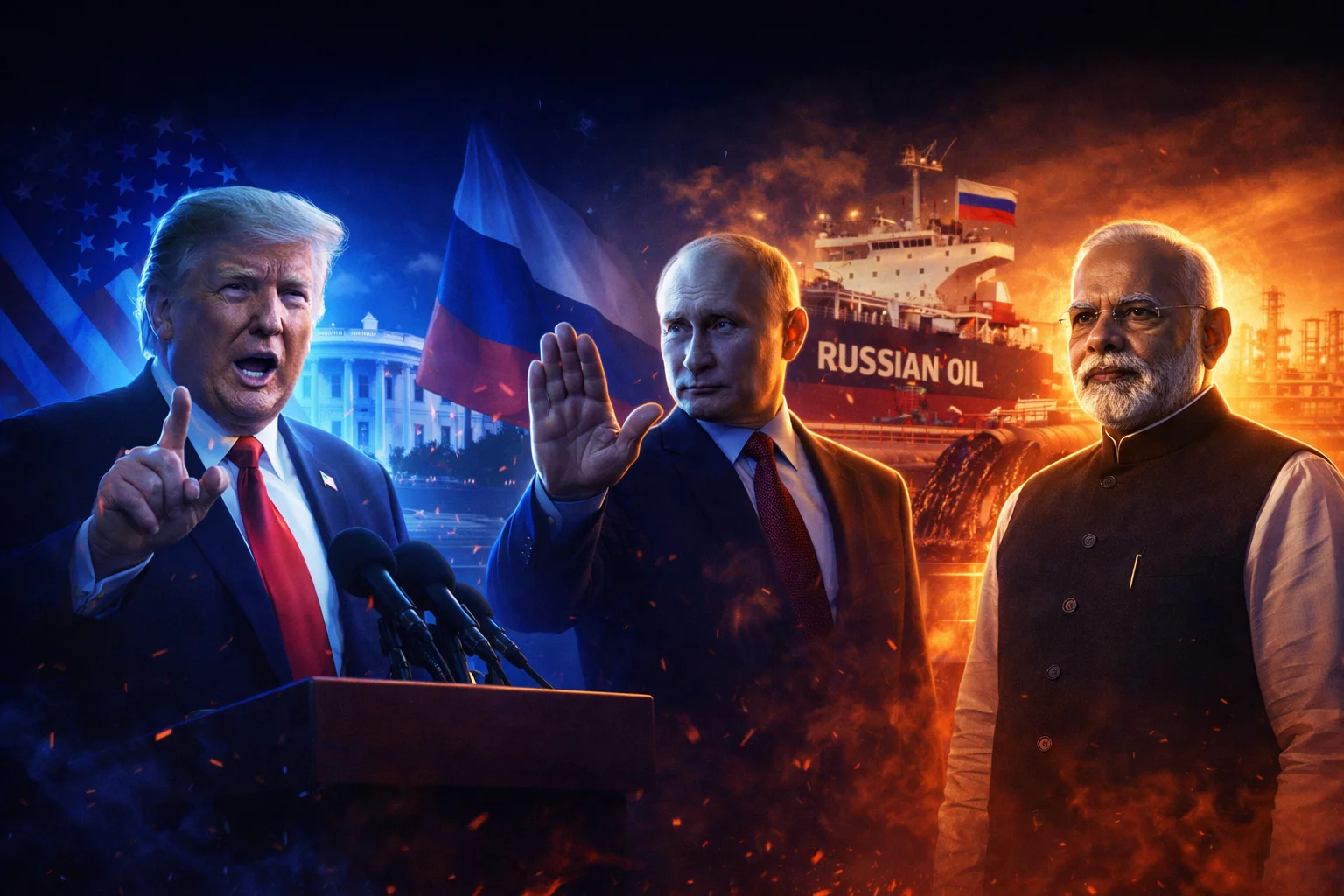
Did India really agree to stop buying Russian oil under US pressure? Trump says yes. Russia denies it. India stays silent. Here’s the complete truth behind the India Russia oil trade controversy.
Table of Contents
Introduction: One Claim That Shook Global Politics
One statement from Donald Trump was enough to trigger panic, confusion, and intense debate across three capitals—Washington, Moscow, and New Delhi.
Trump claimed that India had agreed to stop buying Russian oil in return for tariff relief and closer trade ties with the United States. Within hours, headlines screamed about a dramatic shift in the India Russia oil trade.
But something didn’t add up.
Russia openly rejected the claim. India refused to confirm it. And suddenly, the world was left asking a dangerous question: was this a genuine diplomatic breakthrough, or a political bluff stretched too far?
To find the truth, we need to look beyond speeches and examine what was actually said, what was never promised, and why the India Russia oil trade remains far more stable than many believe.
Image credit: AI-generated using ChatGPT by OpenAI
The Trump Statement That Started the Storm
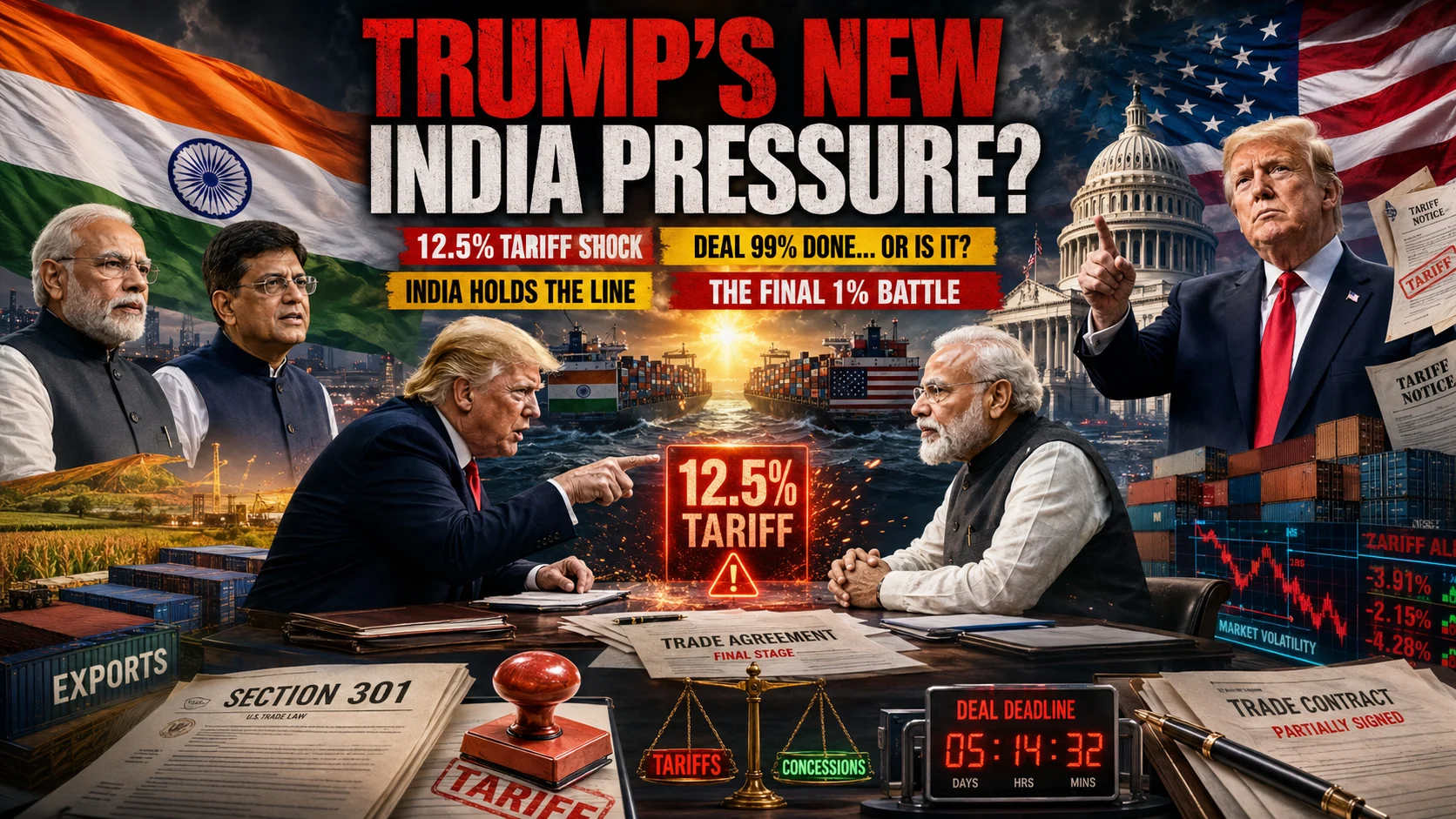
Donald Trump publicly announced that the US had reduced tariffs on Indian goods from nearly 50% to around 18%. According to him, this concession came with two major returns.
First, India would commit to a massive $500 billion economic engagement with the United States. Second, and far more explosive, India would stop purchasing oil from Russia.
The statement was bold. It was repeated. And it was delivered with absolute certainty.
Yet, there was one critical absence—any confirmation from India.
No press release. No joint statement. No official document.
And in diplomacy, silence often speaks louder than claims.
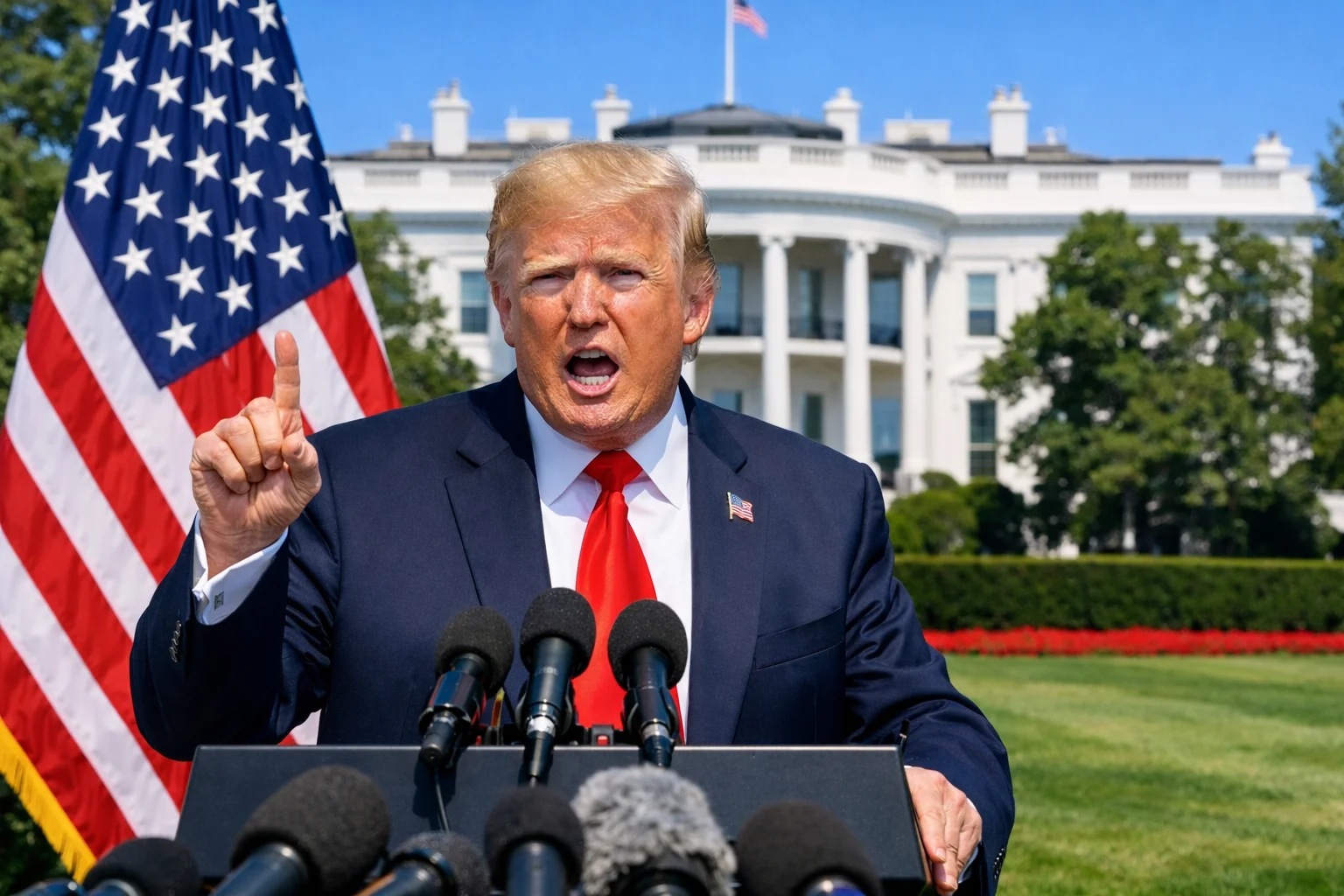
Image credit: AI-generated using ChatGPT by OpenAI
Russia’s Immediate Response: “This Never Happened”
Russia wasted no time responding.
Officials from Moscow made it clear that India had given no indication of ending oil purchases. According to them, there was no communication, no assurance, and no behind-the-scenes agreement related to the India Russia oil trade.
More importantly, Russia emphasized that India’s policy had not changed at all.
India has consistently stated that it would diversify oil imports to avoid dependence on any single supplier. This stance existed long before Trump’s claim and has been repeated year after year.
Diversification is not abandonment.
That distinction is crucial—and Russia made sure the world understood it.
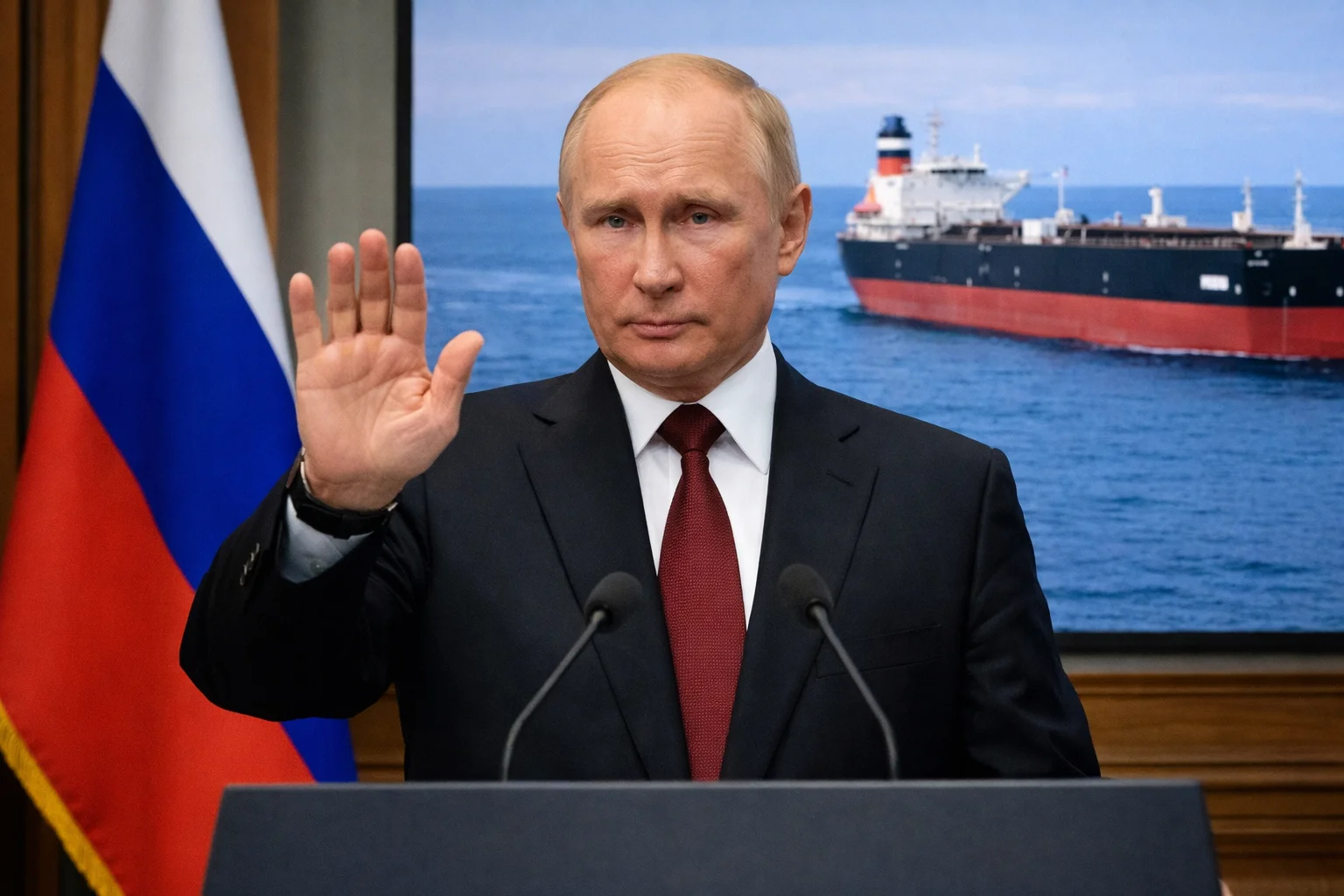
Image credit: AI-generated using ChatGPT by OpenAI
India’s Official Position on the India Russia Oil Trade
India chose a different strategy: restraint.
Instead of reacting emotionally or issuing sharp denials, Indian officials calmly reiterated their long-standing energy policy. India would continue to diversify its oil sources to ensure energy security and price stability.
At no point did India announce that it would stop buying Russian oil.
There was no change in policy language. No reference to timelines. No mention of cutting ties with Russia.
This consistency revealed something important. The India Russia oil trade was never on the negotiating table as a sacrifice—it was only being framed that way by others.
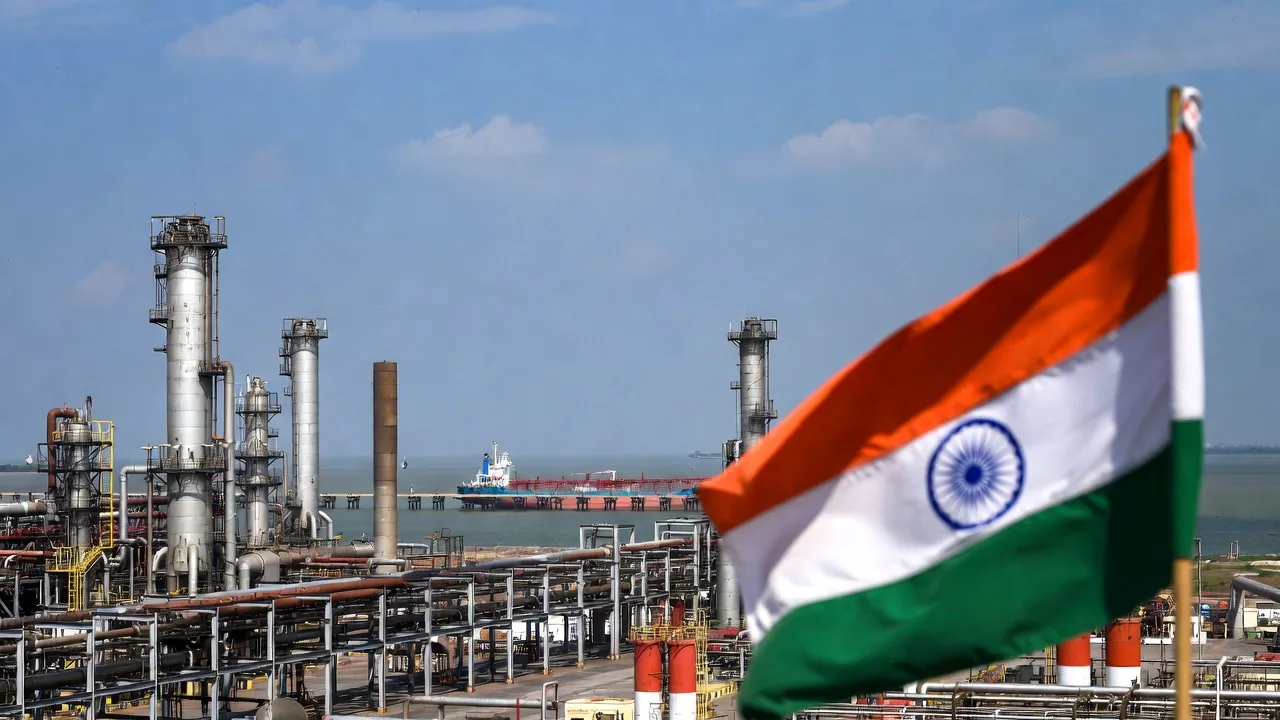
Image credit: AI-generated using ChatGPT by OpenAI
The $500 Billion Confusion: Purchase or Investment?
As scrutiny increased, another contradiction emerged.
Trump described the $500 billion figure as *purchases—oil, defense equipment, agricultural goods bought by India. But soon after, the White House spokesperson described the same figure as *investments.
This shift was not a minor wording issue.
Purchases imply immediate trade commitments. Investments imply long-term capital flows, equity stakes, and financial exposure. They are fundamentally different economic actions.
The sudden change in language raised serious doubts about the clarity and credibility of the claim.
If the deal was real, why couldn’t its basic structure remain consistent?
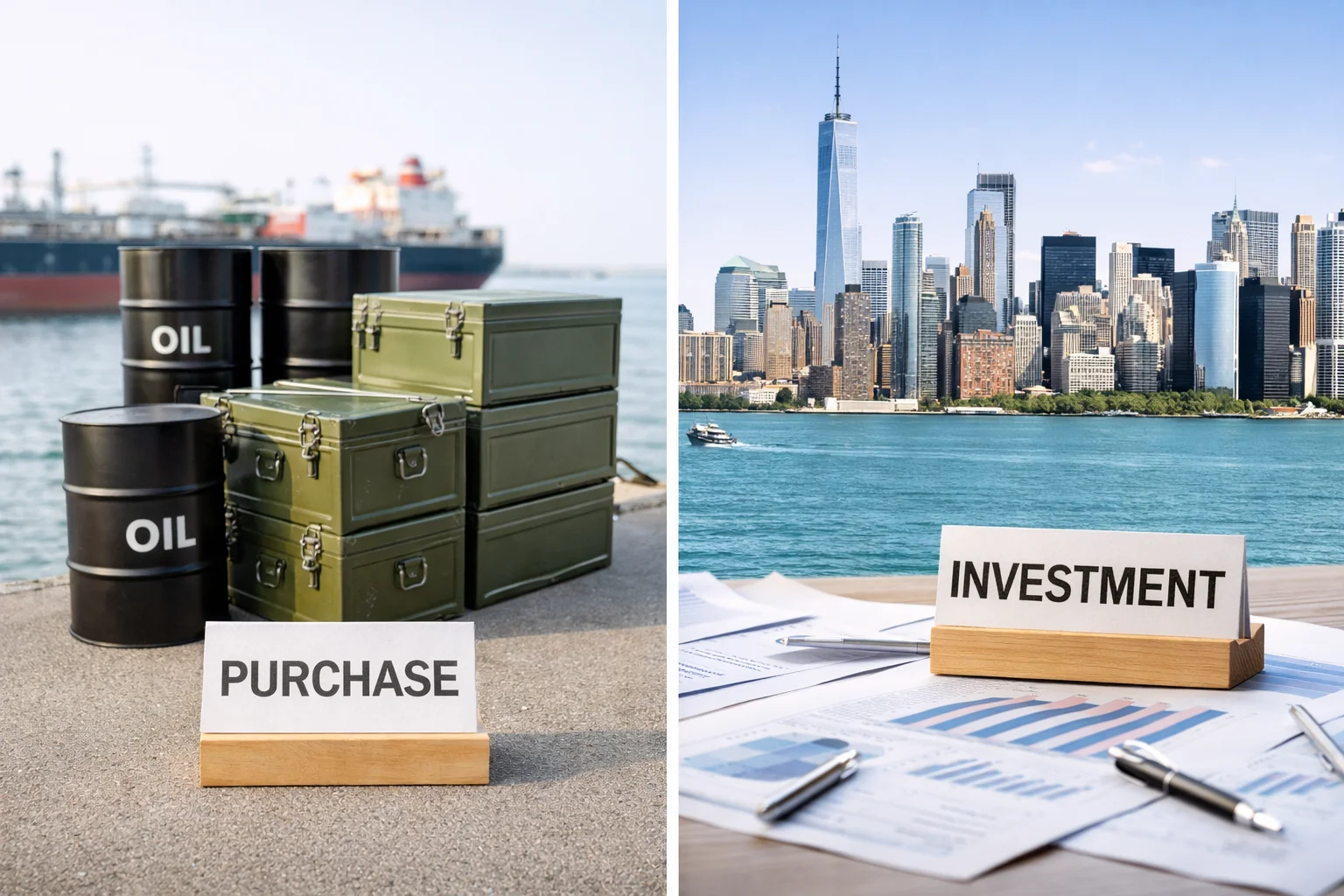
Image credit: AI-generated using ChatGPT by OpenAI
Why the White House Changed Its Language
As journalists pushed for answers, the aggressive tone from Washington began to soften.
Sharp demands turned into polite praise. Threats were replaced with compliments about leadership and mutual respect.
This change did not happen randomly.
It happened after India quietly made it clear that it would not negotiate under pressure and would not compromise its strategic interests, including the India Russia oil trade, just to satisfy political narratives.
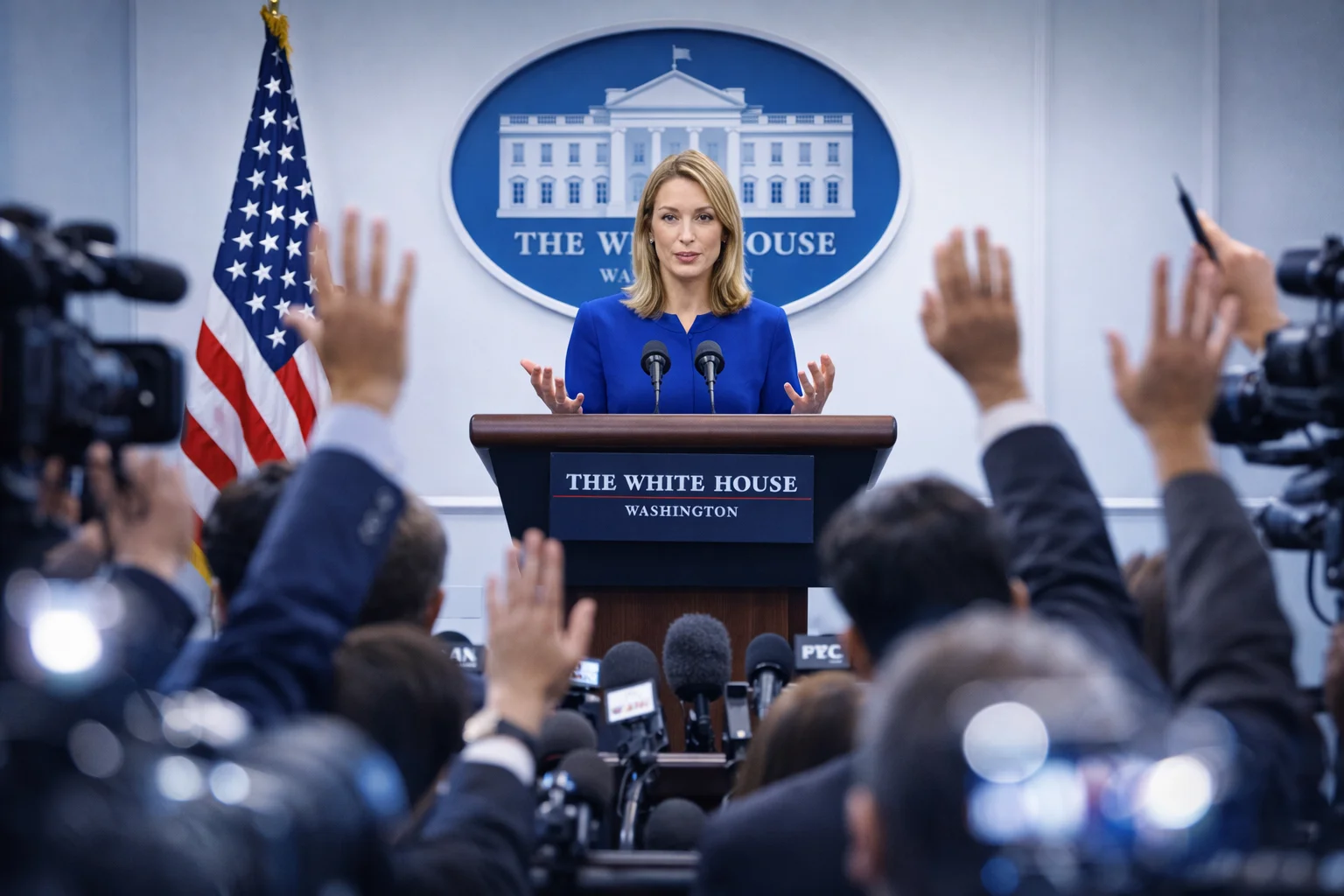
Image credit: AI-generated using ChatGPT by OpenAI
The Diplomatic Warning India Sent Quietly
Behind closed doors, India delivered a firm message through diplomatic channels.
The message was simple: intimidation would not work.
India indicated that if negotiations were being conducted in bad faith, it was prepared to wait out the current US presidential term before finalizing any trade agreement.
This was not defiance for headlines. It was strategic patience.
India had faced sanctions before. It had waited before. And it signaled that it was ready to do so again.
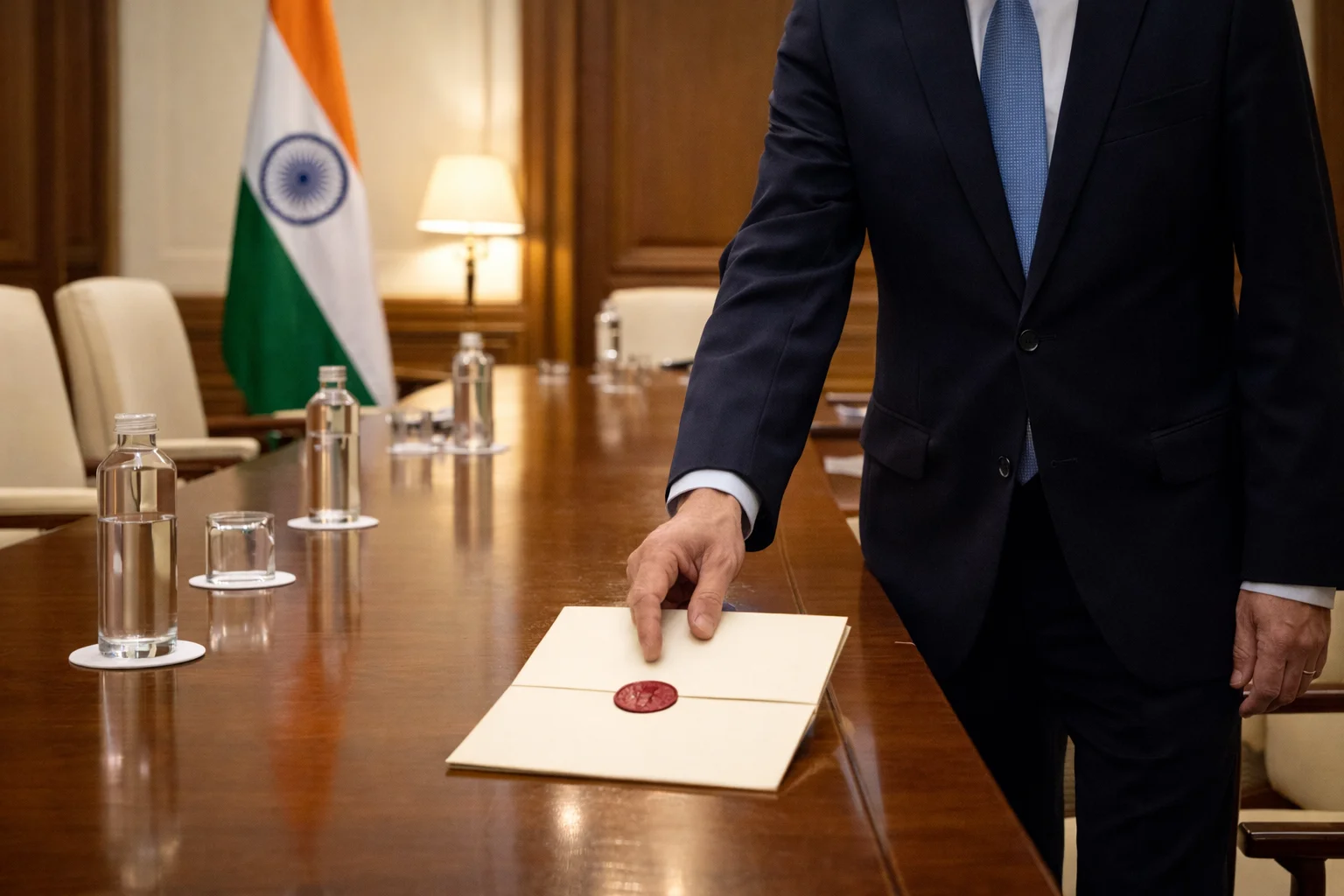
Image credit: AI-generated using ChatGPT by OpenAI
From Threats to Praise: A Sudden Shift in Tone
Before this warning, the rhetoric from Washington had been unusually aggressive.
India was told to distance itself from certain global groupings, fully align with US financial systems, and stop buying Russian oil—or face harsh tariffs.
Some US officials even suggested that India would eventually “apologize.”
Instead, India stood firm.
Soon after, the tone shifted dramatically. Praise replaced pressure. Photo-ops replaced threats. The narrative changed—but the India Russia oil trade did not.
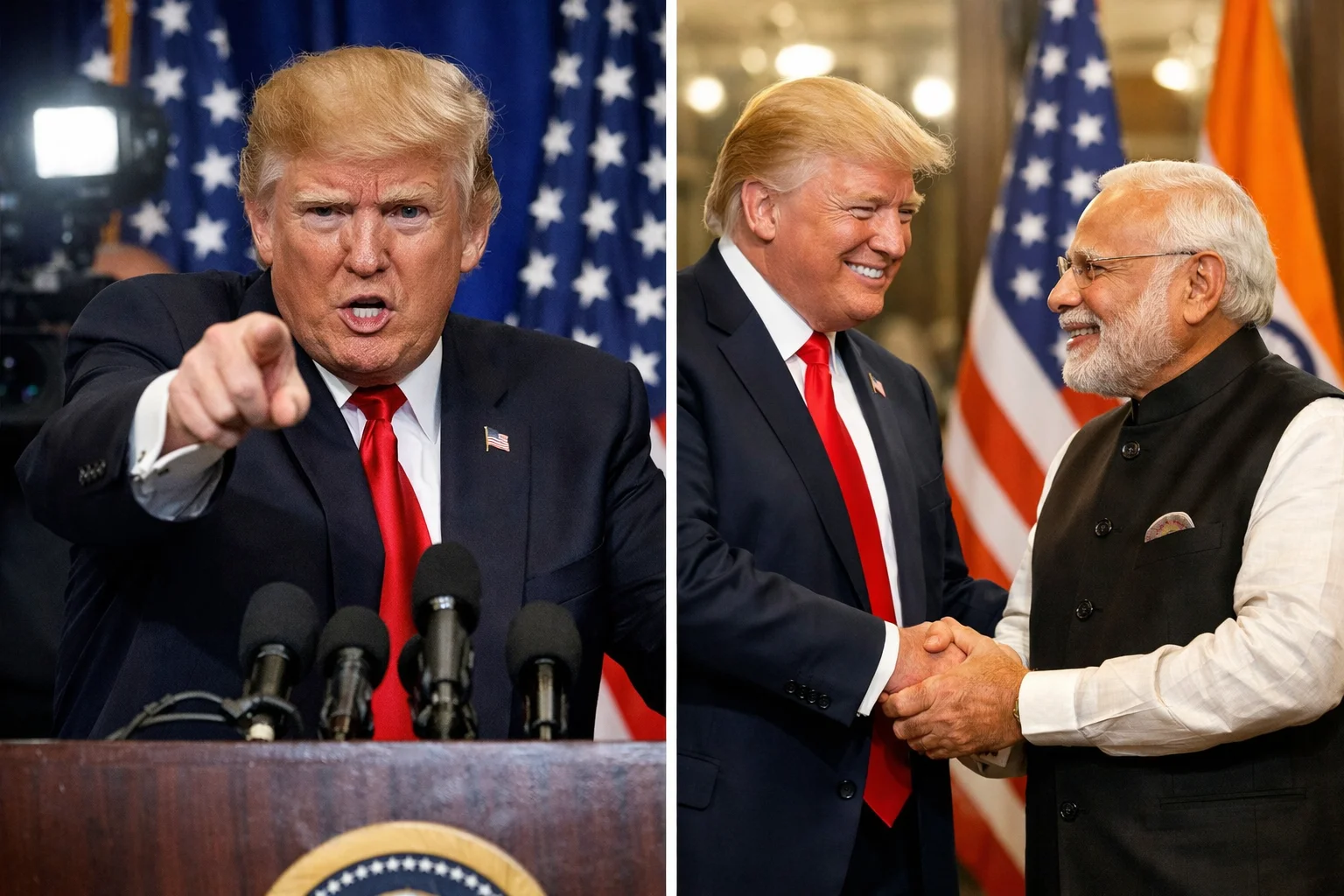
Image credit: AI-generated using ChatGPT by OpenAI
Why the India Russia Oil Trade Cannot End Overnight
To understand why Trump’s claim was unrealistic, one must look at hard numbers.
Russia supplies roughly 35–40% of India’s crude oil imports. That volume cannot be replaced quickly, regardless of political intent.
Oil supply chains involve long-term contracts, shipping logistics, insurance structures, and infrastructure compatibility.
Ending the India Russia oil trade overnight would disrupt fuel supply, increase prices, and trigger inflation—outcomes no responsible government would invite.
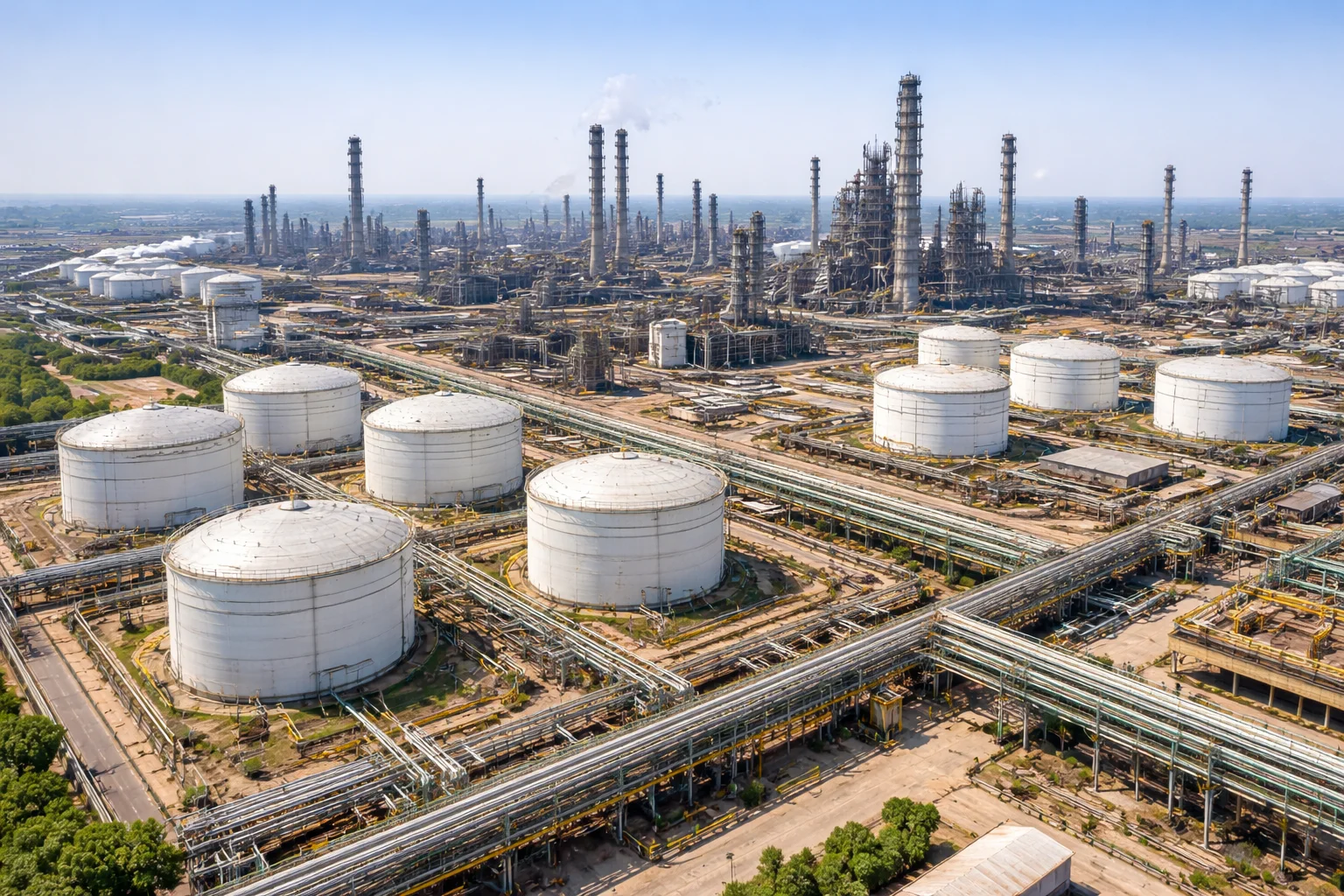
Image credit: AI-generated using ChatGPT by OpenAI
The Refinery Reality Nobody Talks About
There is a technical constraint that rarely makes headlines.
Indian refineries are optimized for Russian crude, which differs significantly in composition from American oil. Processing US crude efficiently would require reconfiguration, upgrades, and months of adjustment.
You cannot simply switch suppliers without preparing the machinery that processes the oil.
This technical reality alone makes any sudden end to the India Russia oil trade impractical.

Image credit: AI-generated using ChatGPT by OpenAI
The Discount Factor: Economics Over Politics
Then comes the most uncomfortable truth.
Russian oil has been sold to India at significant discounts. These discounts directly reduce India’s import bill and help stabilize domestic fuel prices.
If Russia offers even deeper discounts, the economic incentive becomes stronger—not weaker.
Governments cannot ignore billions in savings, especially when energy affordability affects millions of citizens.
Economics, not rhetoric, ultimately decides energy policy.
Can the US Replace Russia as India’s Oil Supplier?
Even US analysts quietly acknowledge the limits.
Replacing Russian oil with American supplies would take months, possibly years. Shipping distances are longer. Costs are higher. Contracts are complex.
At best, the US can become a supplementary supplier—not a full replacement in the near future.
Diversification will continue. Replacement will not.
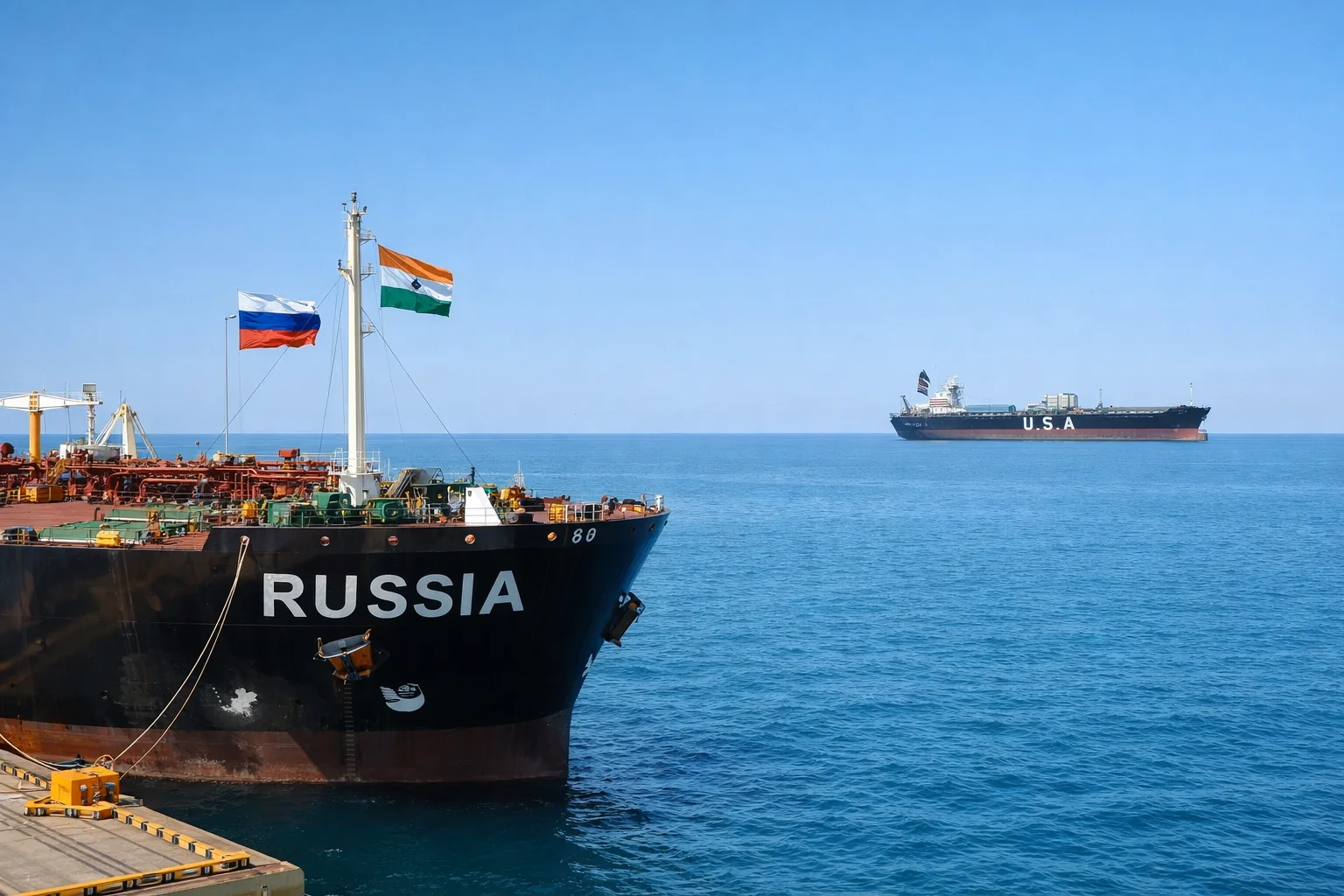
Image credit: AI-generated using ChatGPT by OpenAI
What Actually Happened Behind Closed Doors
When all facts are placed together, the picture becomes clear.
India never promised to stop buying Russian oil.
No document supports Trump’s claim.
Diversification was reframed as compliance.
Pressure tactics were tested—and failed.
The India Russia oil trade remained exactly where it was before the controversy began.
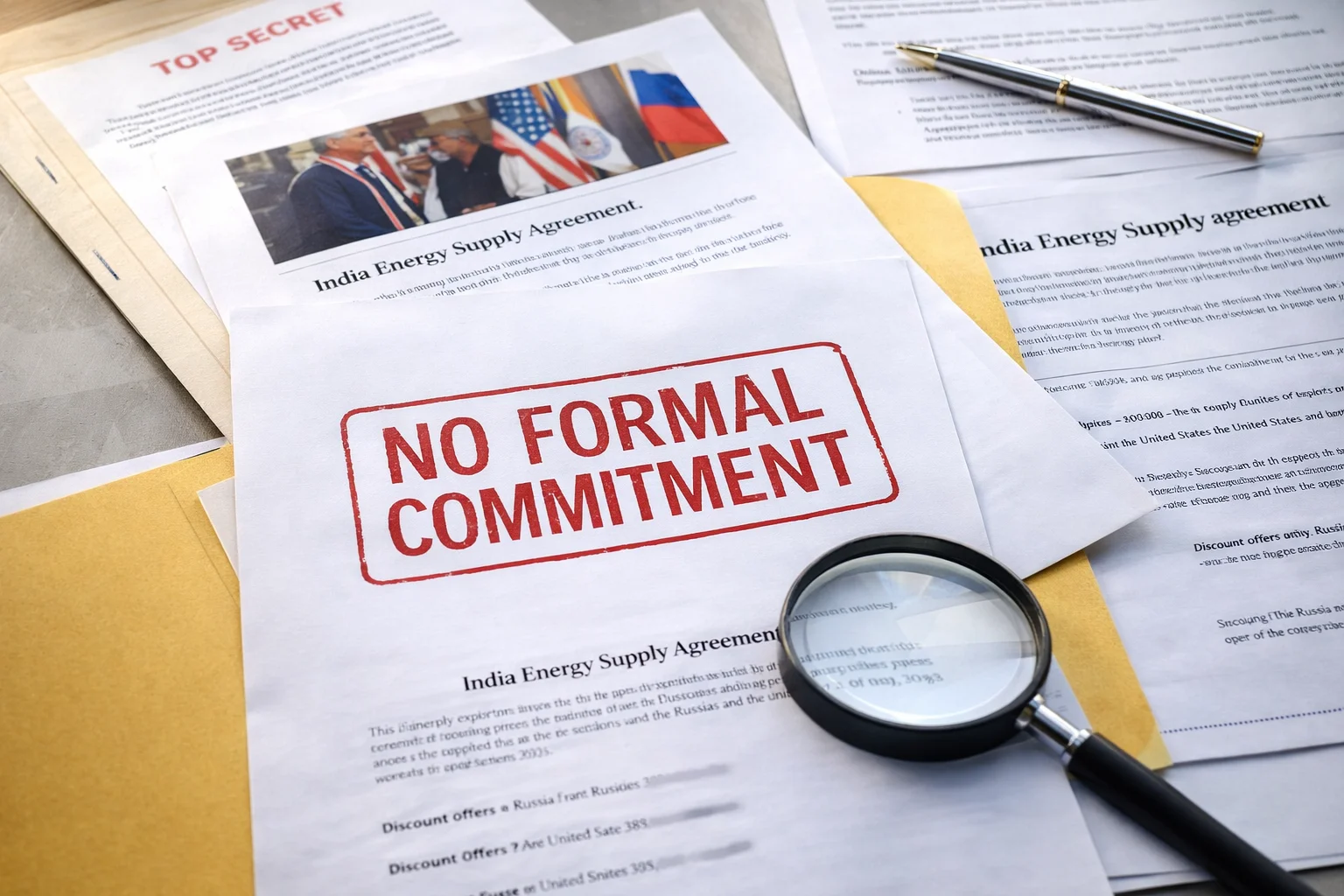
Image credit: AI-generated using ChatGPT by OpenAI
Final Verdict: Pressure Failed, Strategy Held
This episode was never just about oil.
It was about autonomy.
India demonstrated that it would engage with all global powers, diversify its partnerships, and negotiate firmly—but it would not surrender strategic interests under pressure.
The India Russia oil trade continues. US–India trade talks continue. And diplomacy moves forward—quietly, cautiously, and on India’s terms.
Image credit: AI-generated using ChatGPT by OpenAI
FAQs
Did India agree to stop buying Russian oil?
No. India has only reiterated its long-standing diversification policy.
Is the India Russia oil trade ending soon?
No. There is no official announcement or timeline suggesting that.
Can US oil replace Russian oil for India quickly?
No. Technical, logistical, and economic barriers make this a long-term process.
Why is the India–Russia oil trade important?
It ensures affordable energy, refinery compatibility, and supply stability.
Share Your Views
Do you think global powers can still force strategic decisions on emerging economies—or has that era ended?
Share your thoughts. Because the future of the India Russia oil trade will shape far more than energy markets.
It all started with recent India US Trade Deal. Read the full article here.
Explore deeper analyses in our World Affairs, Indian Affairs and Economy & Trade sections.
Sources – Reuters