The Bangladesh US secret trade deal is triggering alarm across South Asia. As India secures lower US tariffs, Dhaka is scrambling with risky backdoor moves that could reshape trade and security.
Table of Contents
Introduction: A Panic That Didn’t Start in Public
This story didn’t begin with an official announcement. It began with anxiety.
Across International media, policy circles, and business groups, one phrase keeps surfacing again and again: Bangladesh US secret trade deal. The panic is not speculative. It is immediate, urgent, and defensive.
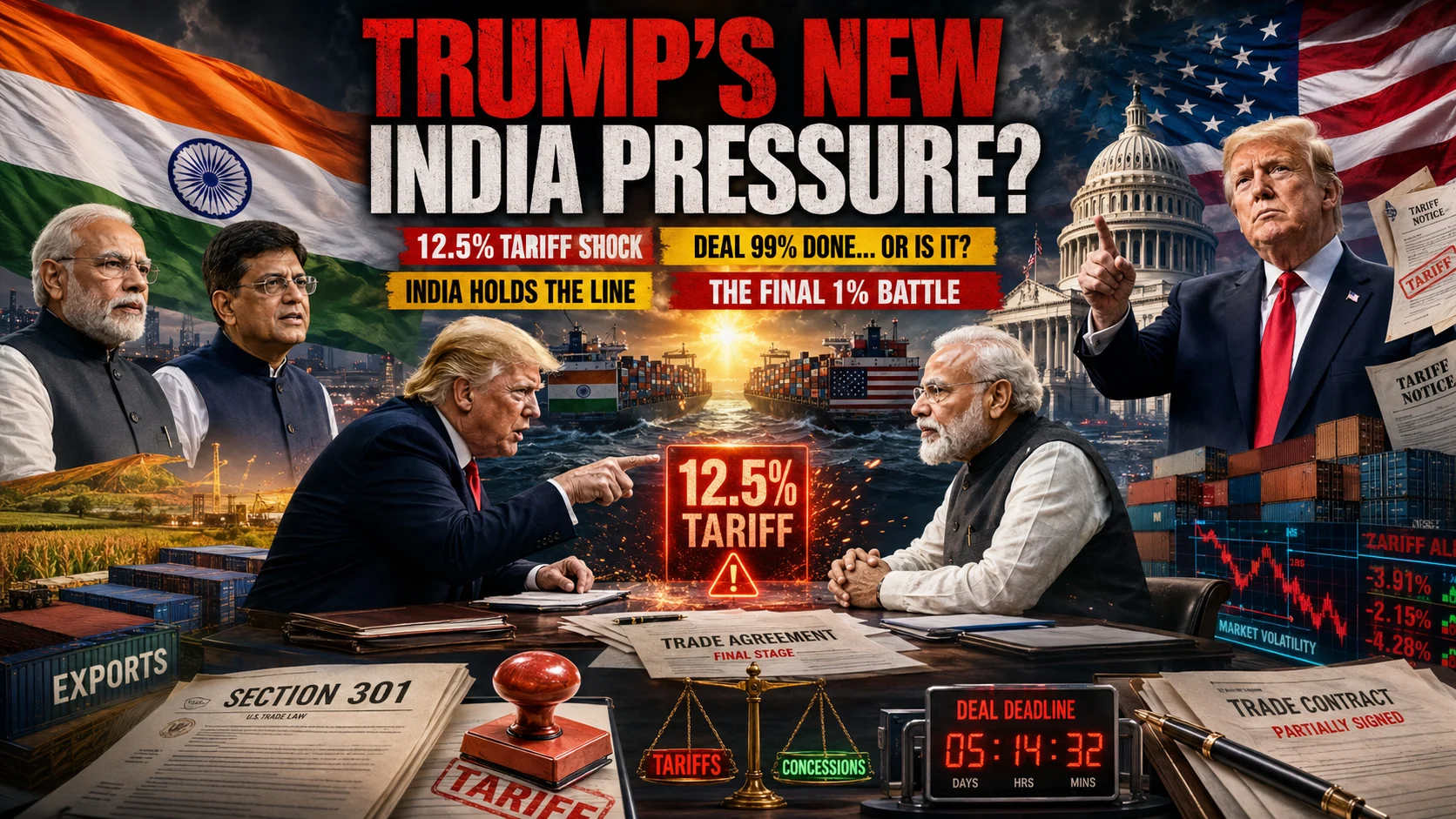
Why? Because India and the United States have already reached a trade understanding, and its detailed terms are expected to be revealed by March 2026. For Bangladesh, this deal doesn’t just change competition. It threatens the foundation of its economy.
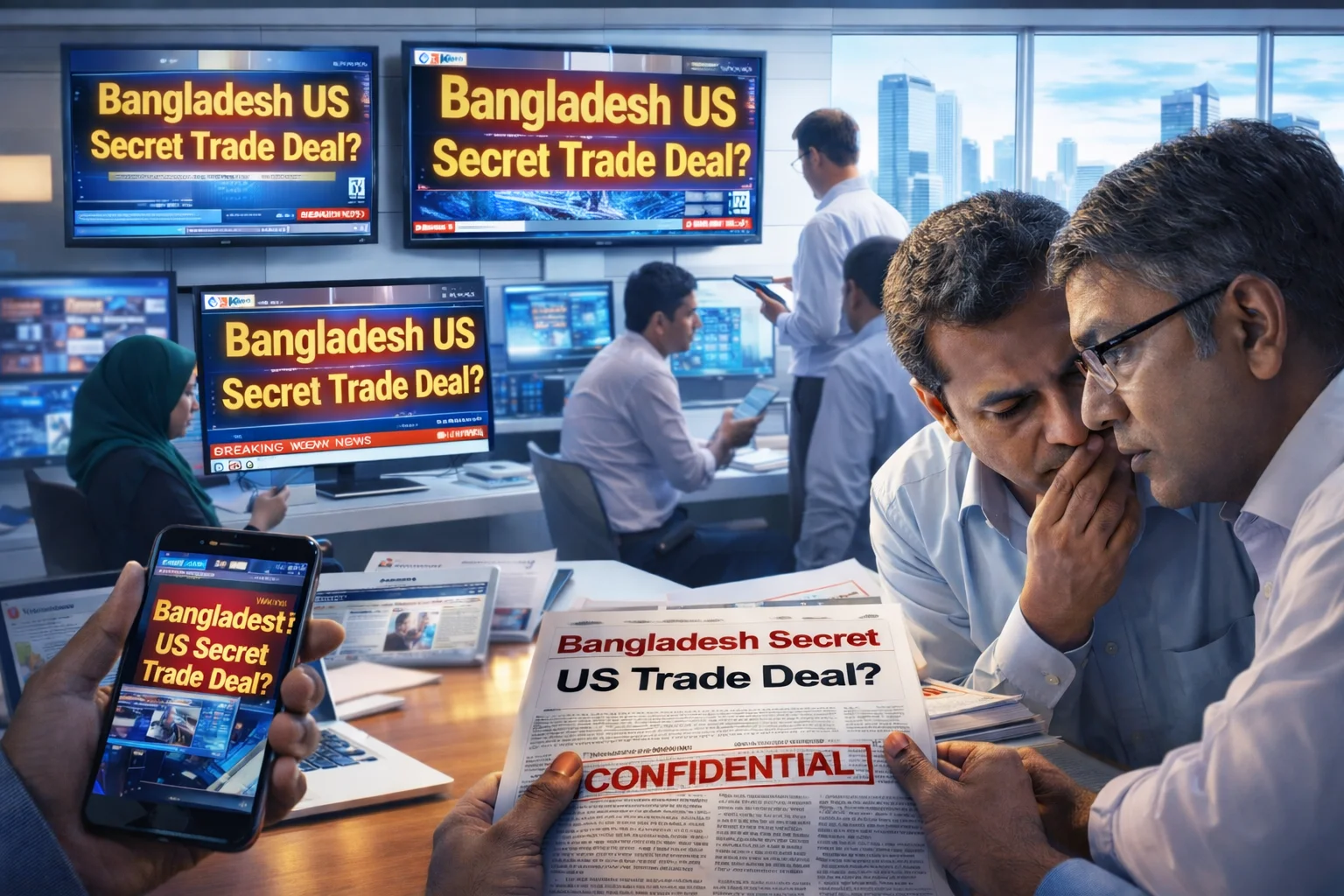
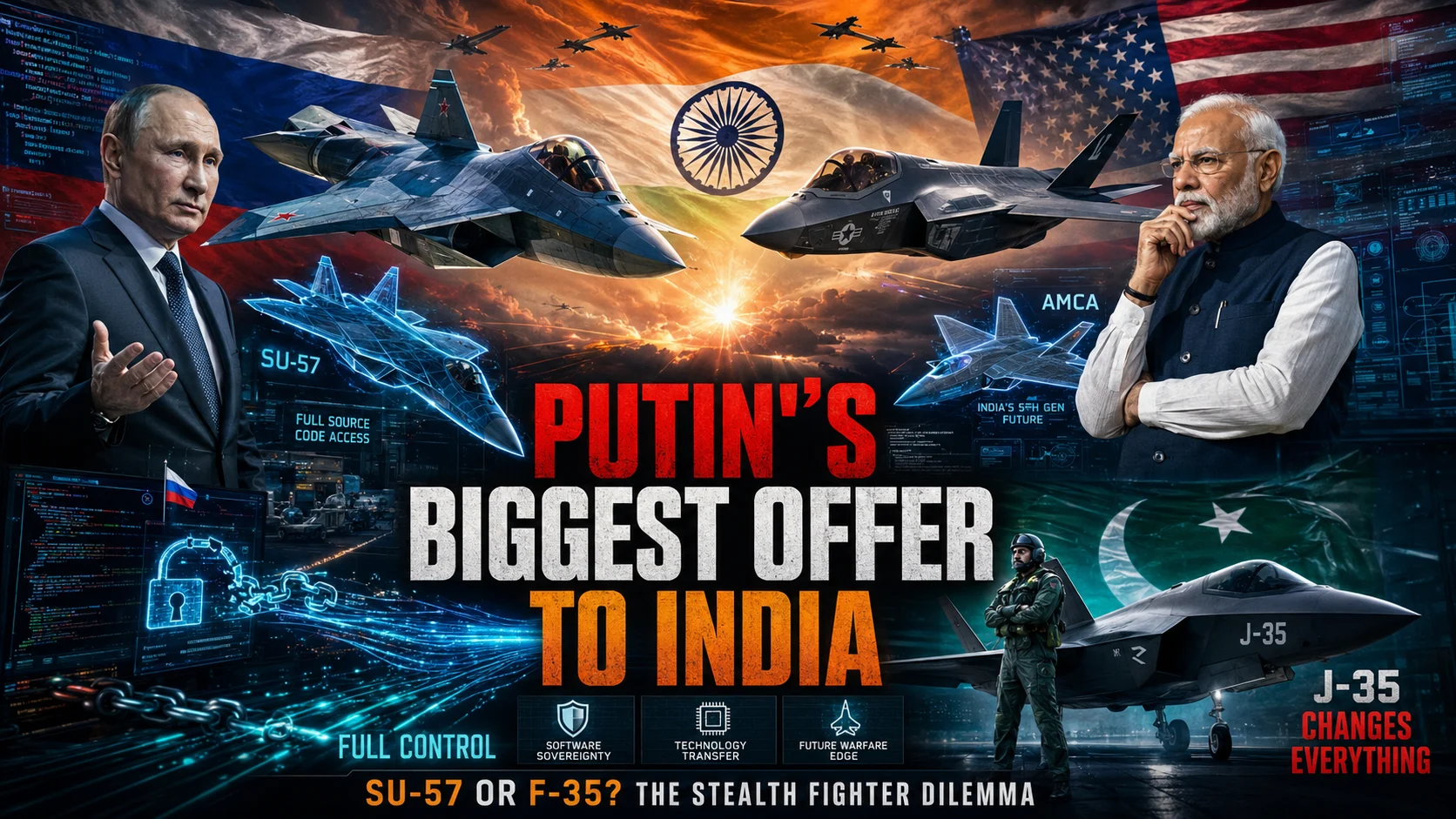
Image credit: AI-generated using ChatGPT by OpenAI
The India–US Trade Deal That Shook Bangladesh
Under the new arrangement, Indian exports to the US will face tariffs as low as 18%, down sharply from earlier levels that reached up to 50%.
That number is what triggered panic in Dhaka.
In global trade, this is not a minor adjustment. In sectors like textiles, where margins are razor-thin, tariff differences of even 1–2% decide who survives.
For India, the deal opens doors.
For Bangladesh, it slams them shut.
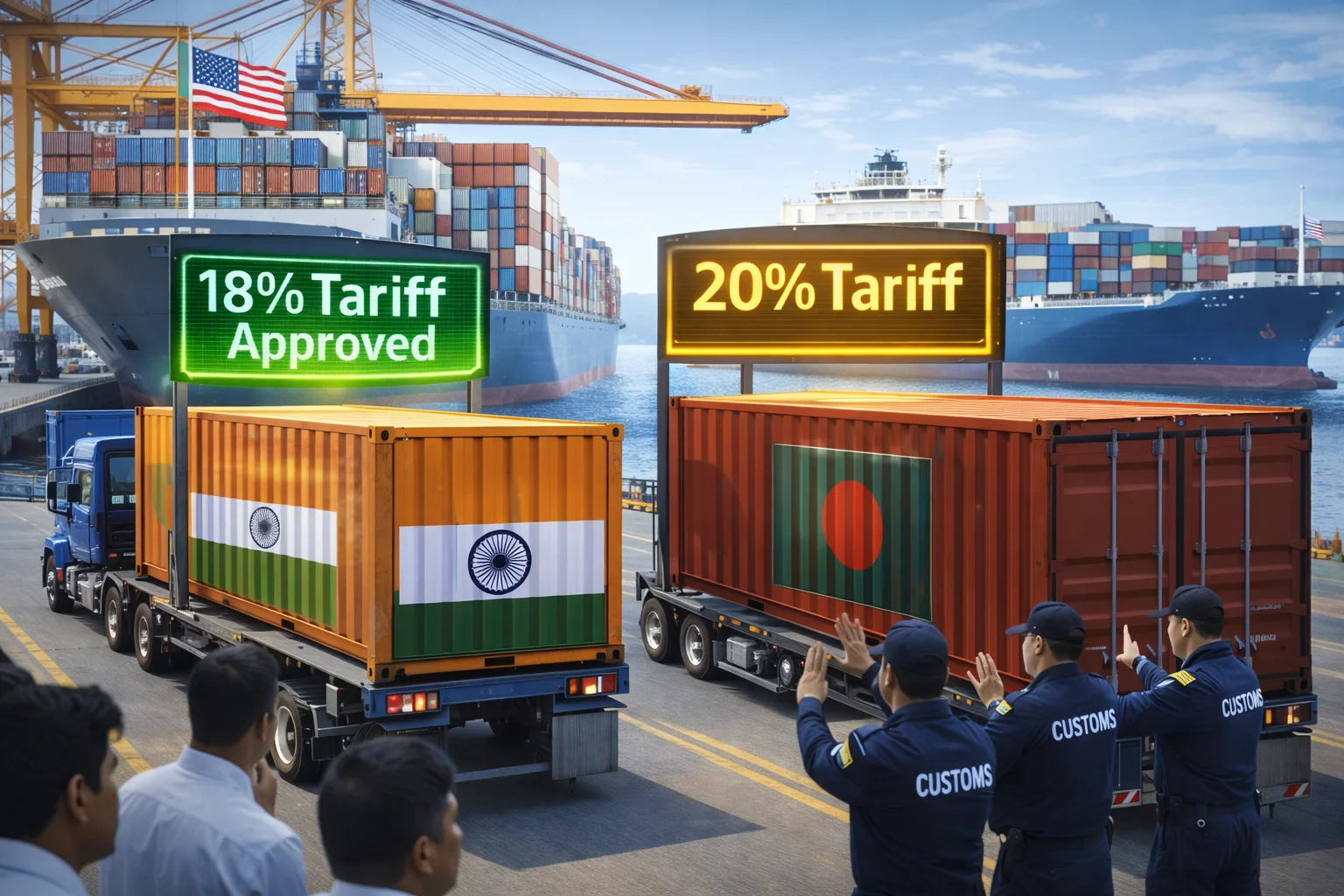
Image credit: AI-generated using ChatGPT by OpenAI
Why Pakistan Is Relaxed but Bangladesh Is Terrified
Pakistan has not reacted strongly to the India–US deal. The reason is uncomfortable but simple.
Pakistan does not have a large, diversified export base to protect. Bangladesh does.
Bangladesh’s economy depends on selling one thing to the world—and selling it cheaply. Any disruption to that model is existential.
India vs Bangladesh: Two Very Different Export Economies
India exports:
- Engineering goods
- Pharmaceuticals
- Petrochemicals
- IT and services
- Textiles
By FY 2027, India’s exports are projected to approach $1 trillion.
Bangladesh exports:
- Clothes
That’s it.
Bangladesh’s merchandise exports hover around $60–70 billion, with almost no services exports. No major IT sector. No engineering base. No pharmaceutical scale.
Which makes the next point unavoidable.
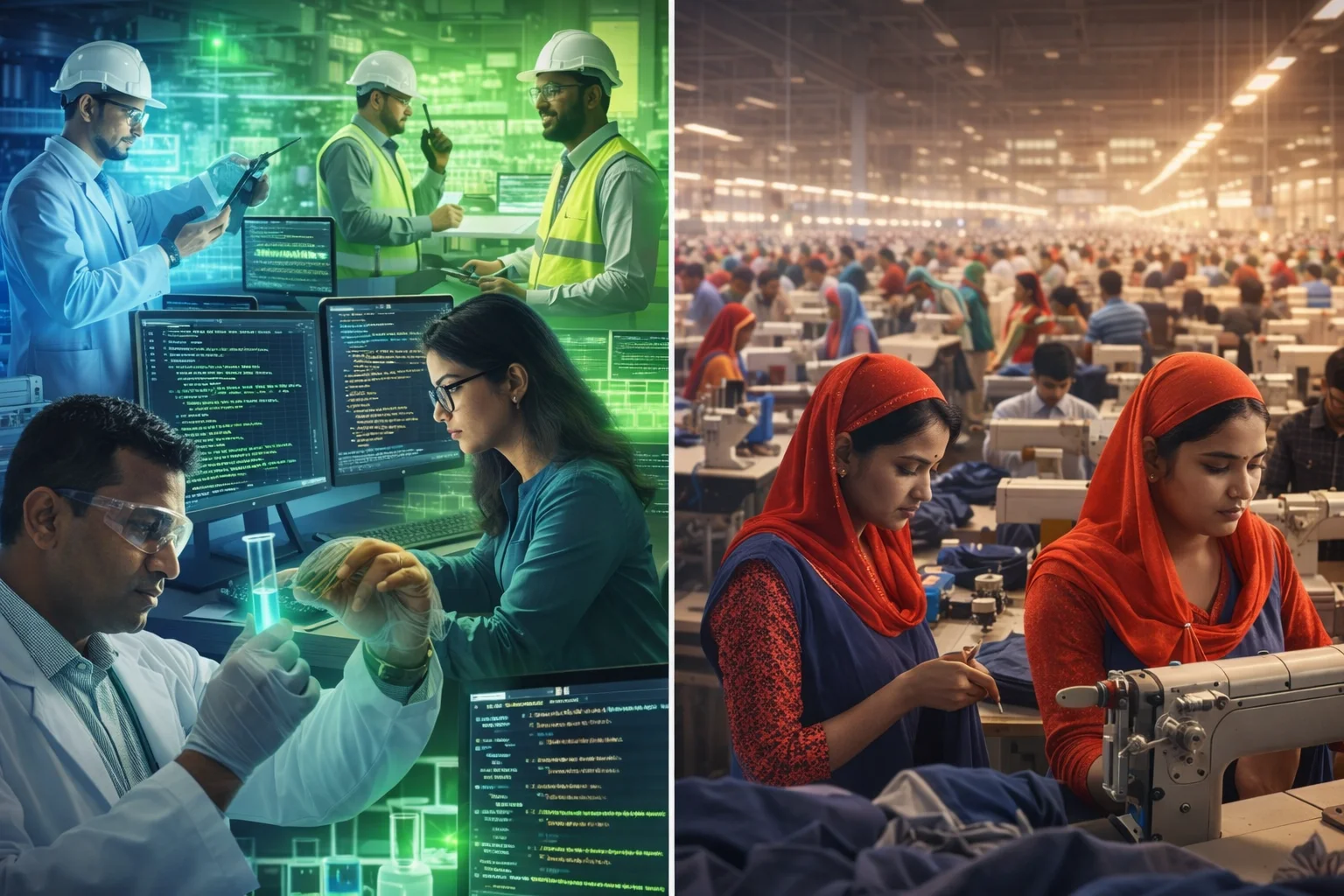
Image credit: AI-generated using ChatGPT by OpenAI
Bangladesh’s One-Pillar Economy: Textiles or Collapse
Textiles are not just an industry in Bangladesh. They are the economy.
Millions of workers depend on garment factories. Entire cities function around textile clusters. Foreign exchange, employment, and political stability all flow from this single sector.
Lose tariff competitiveness in textiles, and Bangladesh doesn’t just lose business—it loses balance.
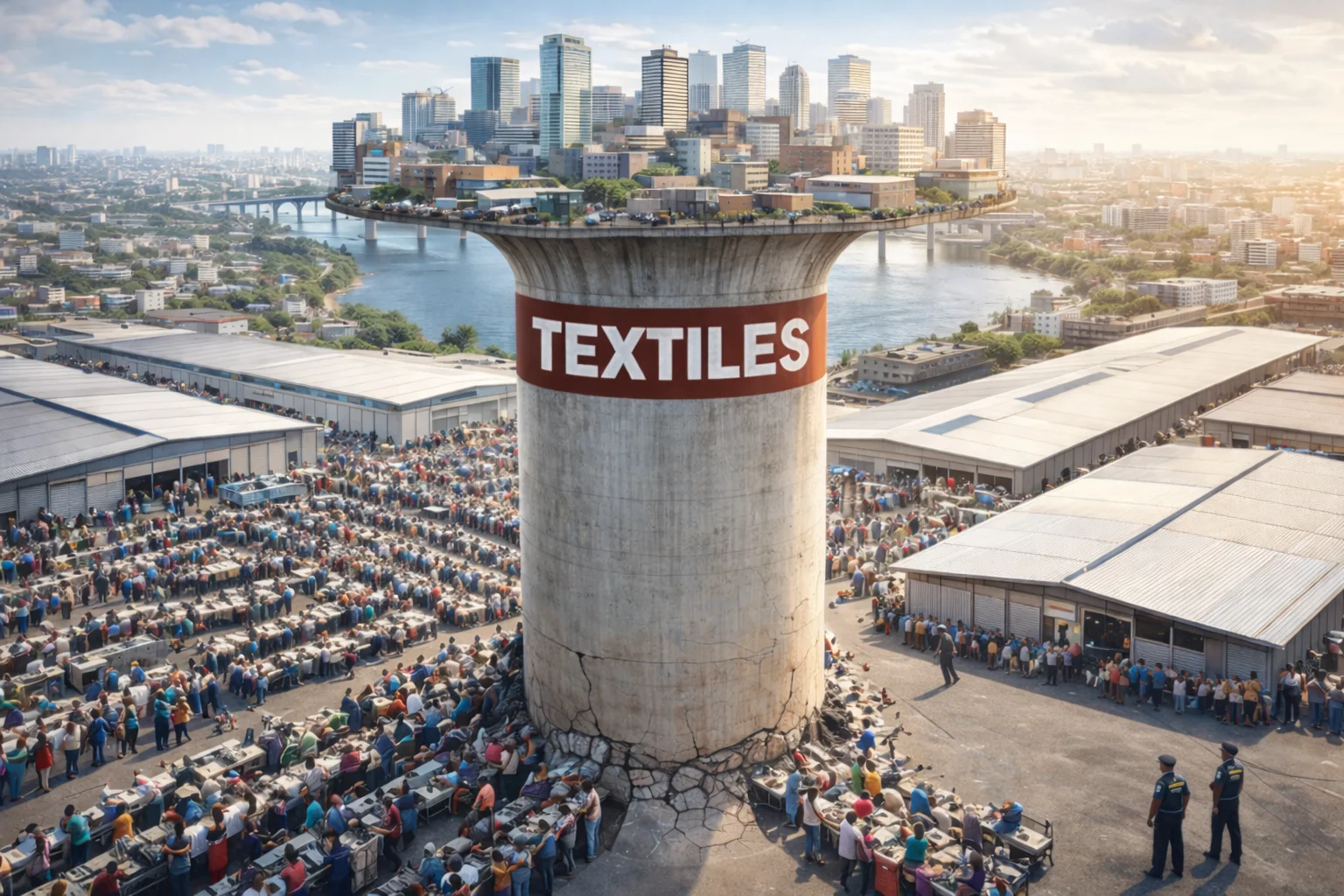
Image credit: AI-generated using ChatGPT by OpenAI
Global Textile Rankings: Why Dhaka Is Already Losing Ground
Globally, textile exports are led by:
- China
- Bangladesh
- Vietnam
- Germany
- Italy
- India
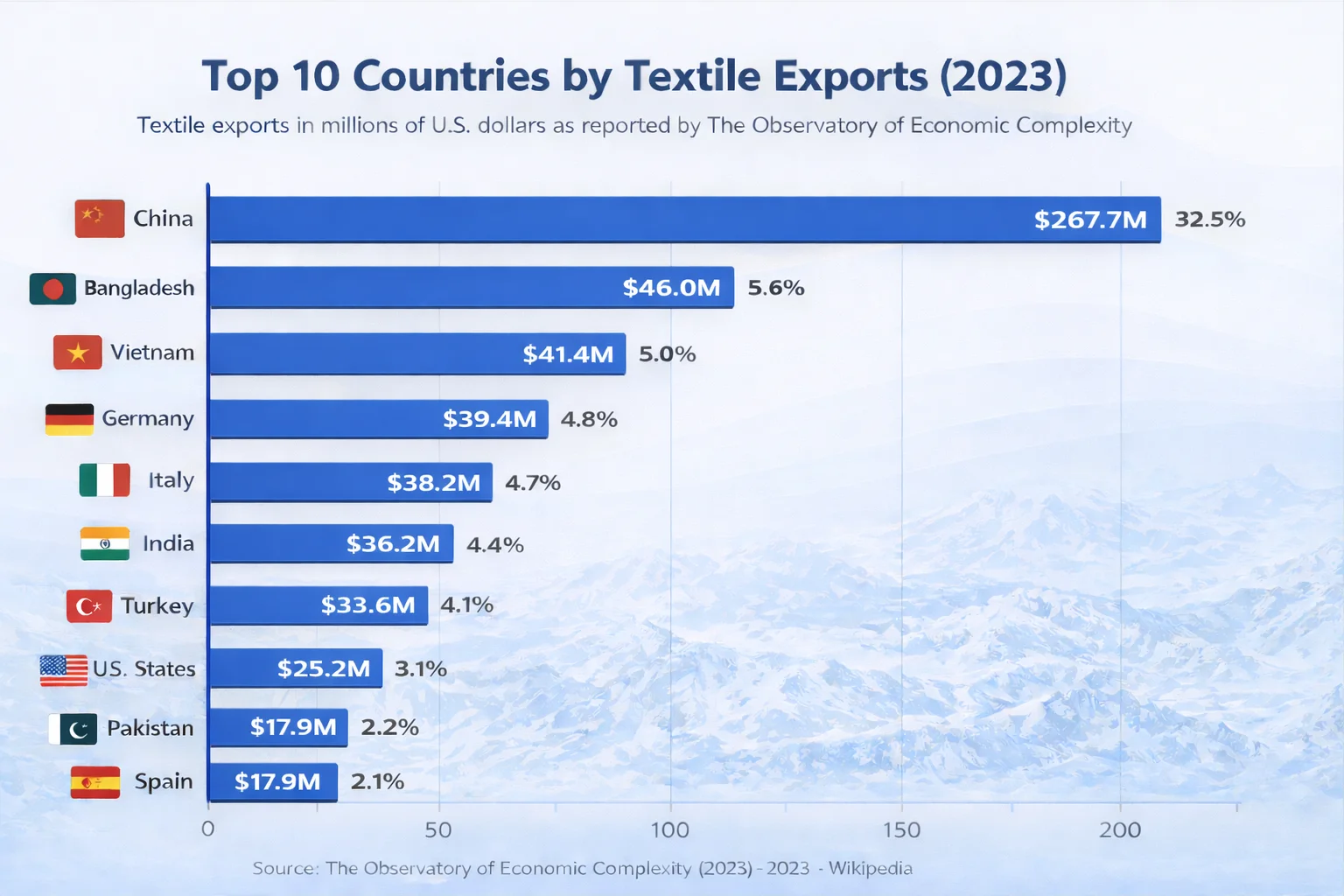
Image credit: AI-generated using ChatGPT by OpenAI
Source: Wikipedia contributors, List of countries by textile exports — licensed under CC BY-SA 4.0.
Recent 2026 data shows India slowly climbing. Bangladesh, meanwhile, is stagnating.
This worries Dhaka deeply. India has stronger diplomacy, larger scale, and more trade agreements. Bangladesh’s advantage existed mainly because of tariffs.
That advantage is now evaporating.
Why a 2% Tariff Gap Can Wipe Out Billions
On paper, the difference looks small:
- India: 18% tariff
- Bangladesh: 20% tariff
In reality, it’s devastating.
If an Indian T-shirt lands in the US at $18 and a Bangladeshi one at $20, US retailers will switch suppliers instantly. Across millions of units, this difference translates into billions of dollars shifting countries.
This is why Bangladesh is panicking—not planning.
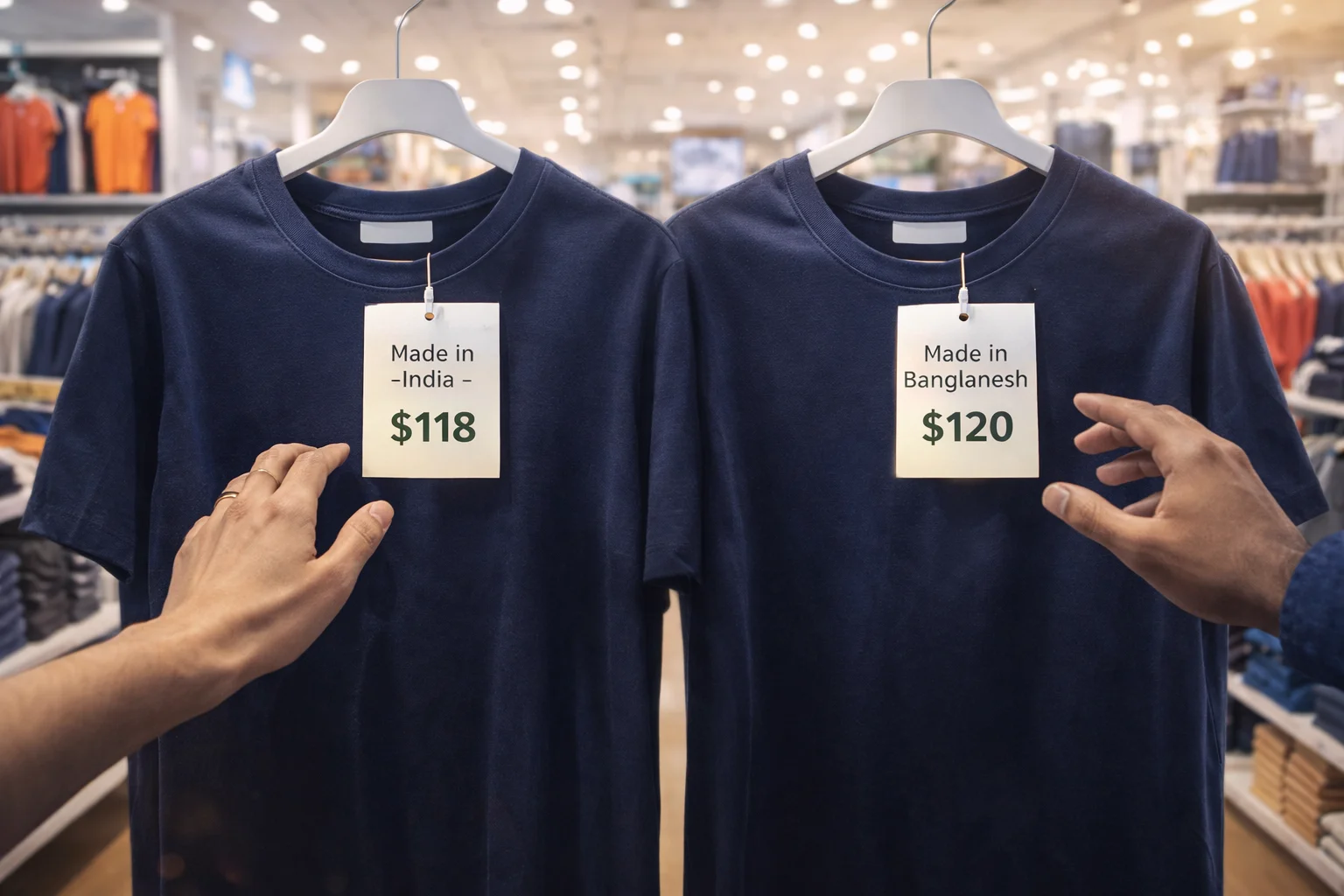
Image credit: AI-generated using ChatGPT by OpenAI
How US Retailers Decide Winners and Losers
US retailers care about four things:
- Price
- Scale
- Reliability
- Compliance
India now beats Bangladesh on all four.
Retailers will not wait for Bangladesh to adapt. They will move orders immediately. This is why the phrase Bangladesh US secret trade deal has become so urgent in Dhaka.

Image credit: AI-generated using ChatGPT by OpenAI
The Bangladesh US Secret Trade Deal: What’s Being Whispered
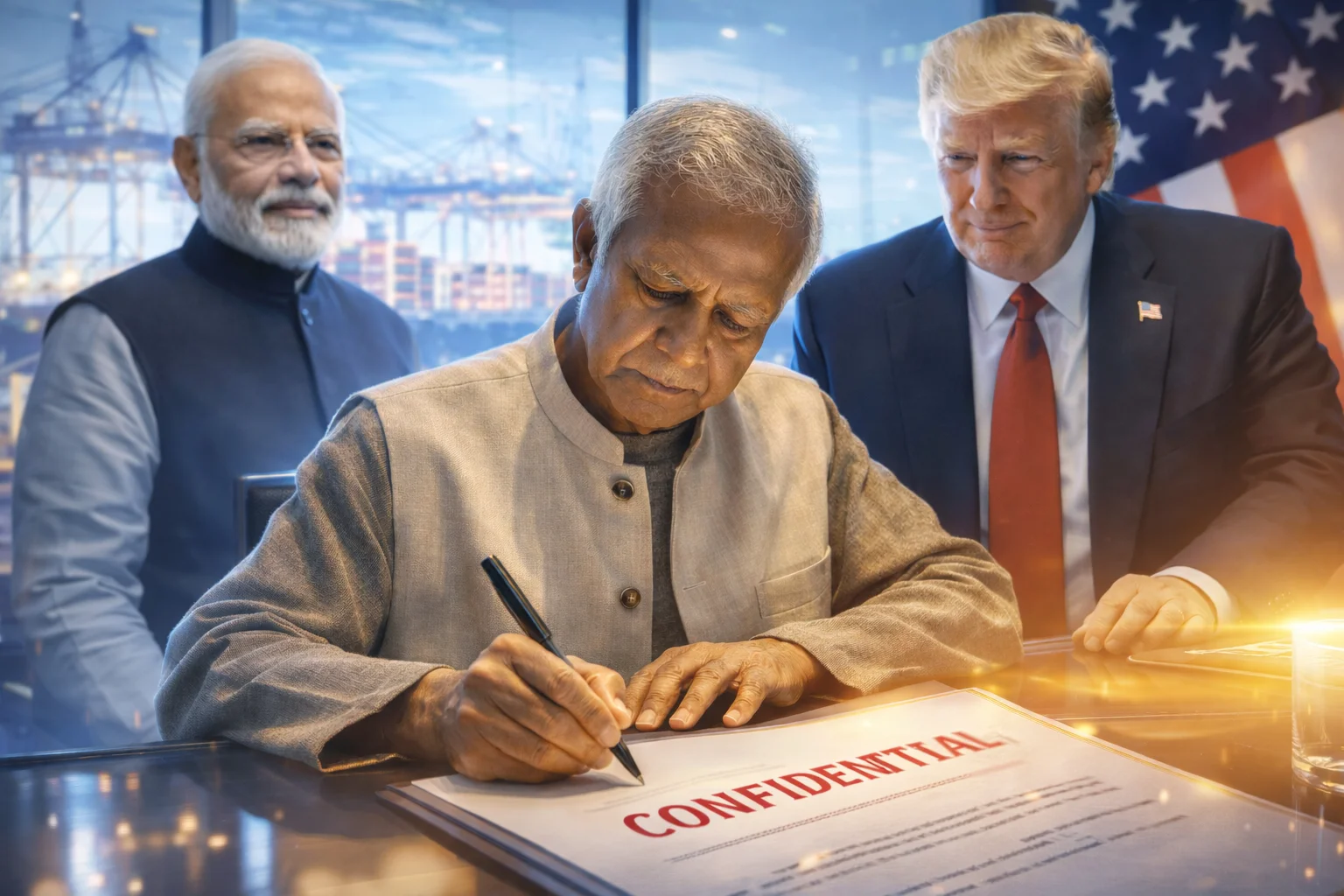
According to Bangladeshi media reports, Dhaka is now pushing for a secret trade arrangement with Washington.
Publicly, the US would maintain a 20% tariff on Bangladeshi textiles. Privately, a separate agreement would allow Bangladesh to export at lower effective tariffs, possibly even below India’s level.
The numbers would not be disclosed.
The deal would apply only to textiles.
If true, this is not normal trade diplomacy.
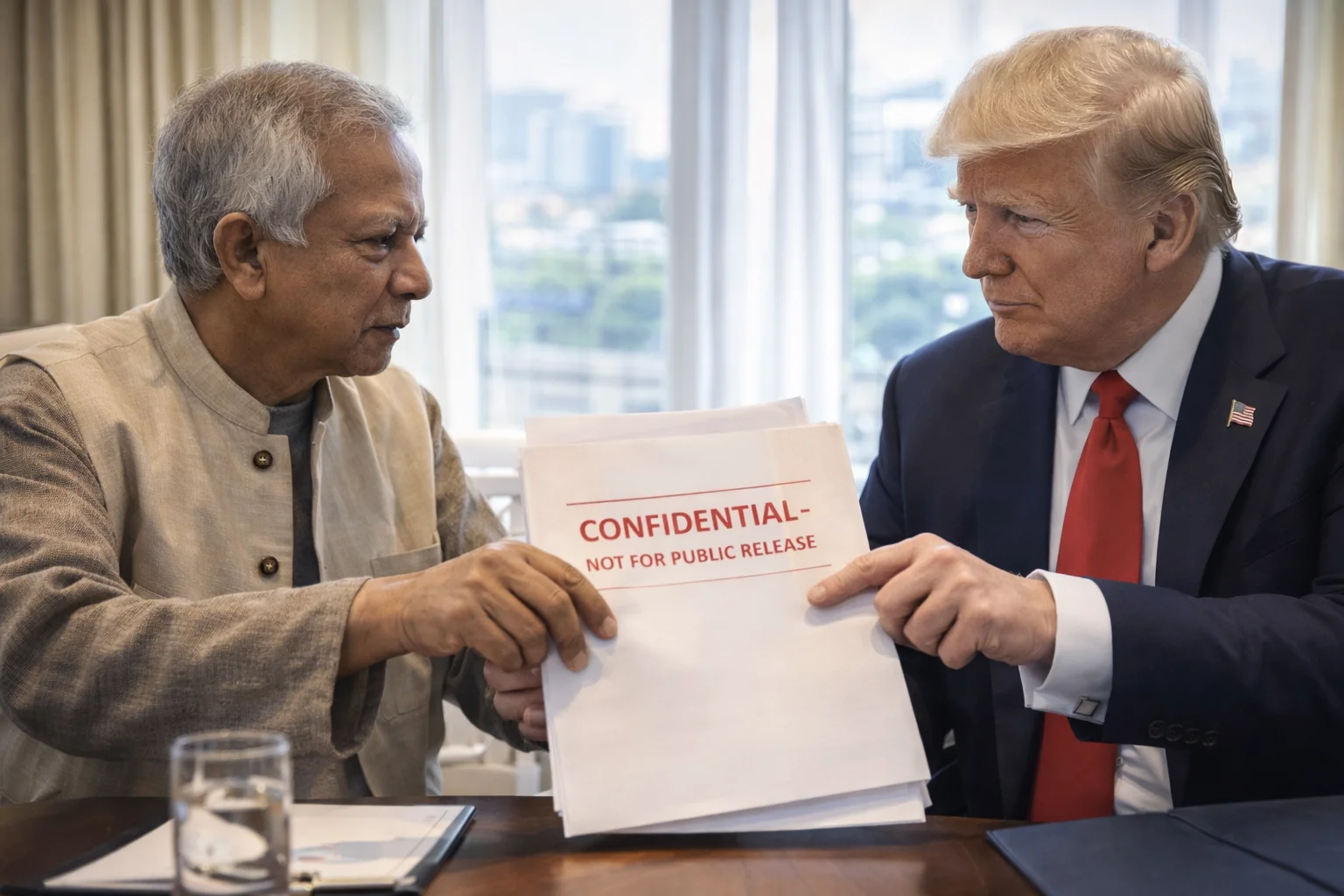
Image credit: AI-generated using ChatGPT by OpenAI
Why This “Dual Tariff System” Breaks Trade Norms
Trade deals are supposed to create clarity.
A system where one tariff exists on paper and another exists in secret destroys trust. It raises an uncomfortable question:
If tariffs are hidden, what does a trade deal even mean?
This is why the Bangladesh US secret trade deal, if confirmed, would not just be controversial—it would be system-breaking.
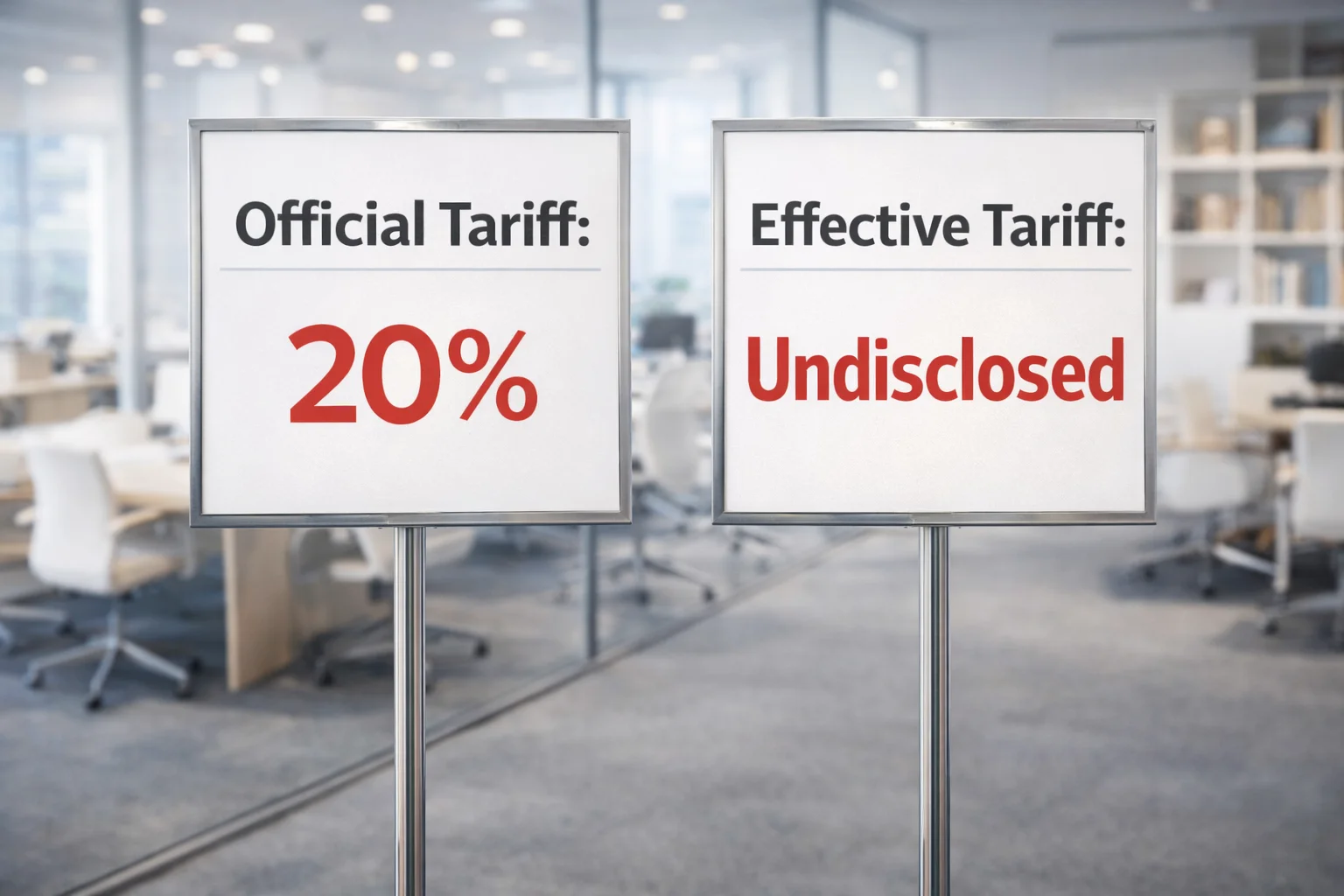
Image credit: AI-generated using ChatGPT by OpenAI
Bangladesh Has Nothing to Offer—Except Strategy
India can offer the US market access. Bangladesh cannot.
Bangladesh has:
- No massive consumer market
- No advanced industries
- No strategic economic leverage
So if a deal exists, payment cannot be economic.
It must be strategic.
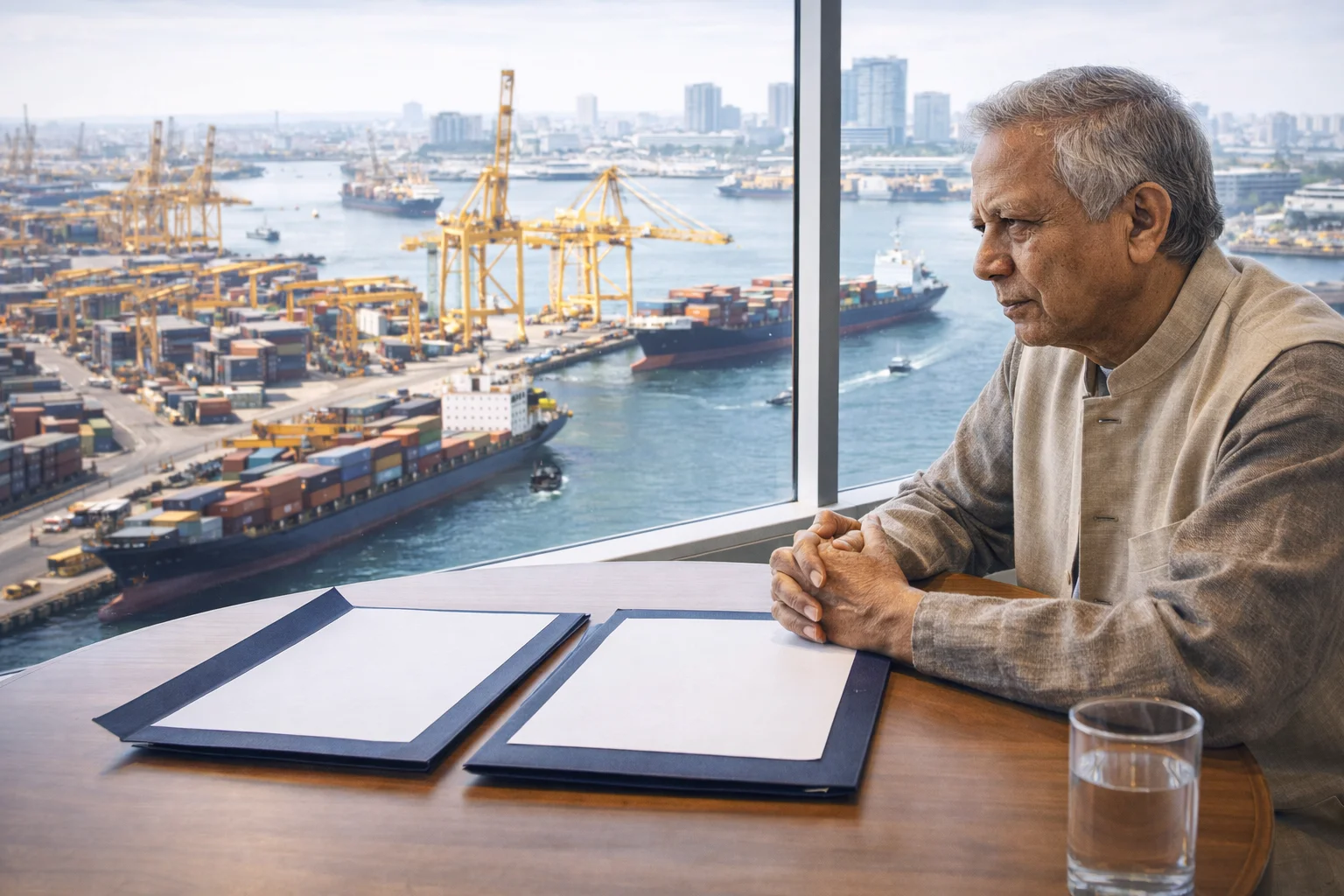
Image credit: AI-generated using ChatGPT by OpenAI
US Military Presence in Bangladesh: Coincidence or Currency?
Over the past year, multiple reports have pointed to a growing US military presence in Bangladesh, including interest in ports like Chittagong.
This is not commercial presence. It is strategic.
From logic, the conclusion is unavoidable:
If Bangladesh is getting trade concessions, it is likely paying in access, positioning, or cooperation.
The Unelected Government Problem No One Is Discussing
Another critical issue is legitimacy.
Bangladesh’s current government, led by Mohammad Yunus, is widely described as unelected. Yet it is reportedly negotiating sensitive, long-term strategic arrangements.
This creates a dangerous risk:
Future governments may reject or expose these deals, creating instability and backlash.
Secret deals signed without public mandate rarely age well.
Trump vs Biden: Why Timing Matters More Than Ever
Previous US administrations were cautious. Donald Trump is not.
Trump has openly said he wants land, bases, and strategic leverage. If a Bangladesh US secret trade deal happens under him, it will not be subtle—or cheap.
Bangladesh may be miscalculating, assuming secrecy where none will exist.
Why India Is Worried About More Than Textiles
India’s concern is not competition.
It is precedent.
If the US runs dual-track trade systems and expands military presence next door, this becomes a strategic problem, not an economic one.
Trade, in this case, becomes a gateway to security realignment.
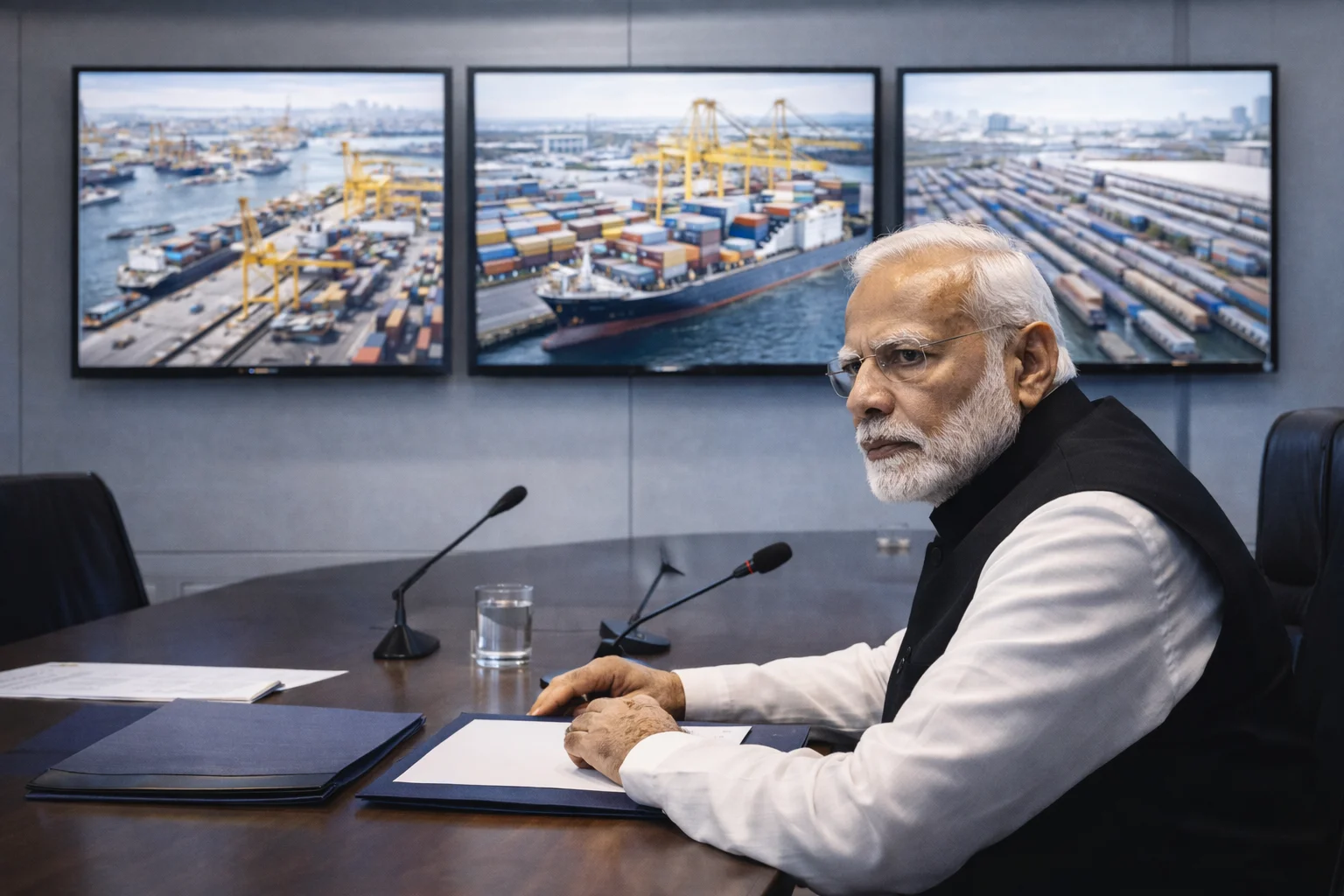
Image credit: AI-generated using ChatGPT by OpenAI
The Point of No Return for Bangladesh
Once strategic concessions are made, they cannot be undone.
Factories can reopen. Tariffs can change.
Military access, geopolitical positioning, and lost autonomy cannot.
This is why Bangladesh’s current scramble is so dangerous.
Final Verdict: A Desperate Gamble With Irreversible Costs
The panic in Dhaka is understandable. The threat is real. India’s rise in manufacturing and trade is undeniable.
But secret deals carry hidden prices.
If the Bangladesh US secret trade deal materialises, it may temporarily save textile exports—but at the cost of long-term strategic autonomy.
And once that cost is paid, there are no refunds.
FAQs
Why is Bangladesh panicking after the India–US trade deal?
Because lower tariffs for India threaten Bangladesh’s textile dominance.
What is the Bangladesh US secret trade deal?
Reports suggest a hidden arrangement offering Bangladesh lower effective textile tariffs.
What could Bangladesh offer in return?
Strategic or military cooperation, not economic concessions.
Is this deal confirmed?
No. It is based on media reports and strategic analysis, not official disclosure.
What Do You Think?
Should trade deals ever be negotiated in secret—or do they always hide a bigger strategic cost?
Share your view. Because what Bangladesh does next may reshape South Asia for decades.