The Islamabad mosque blast has killed dozens and shaken Pakistan. This deep analysis explains who carried out the attack, why Shia Muslims were targeted, and how the violence links to Afghanistan, the Taliban, and the Bagram Air Base question.
Table of Contents
Introduction: A Blast That Shook Islamabad
The Islamabad mosque blast is not just another terror headline. It is a moment that could redefine Pakistan’s internal security, its Afghanistan policy, and even the future of US involvement in the region.
International media is covering the attack extensively for a reason. This was not a remote border incident. This was a suicide bombing in Pakistan’s capital, targeting a Shia mosque, killing at least 31 people, with some estimates pushing the death toll close to 50, and injuring over 170.
More importantly, this attack fits into a pattern — and patterns tell stories governments don’t always say out loud.
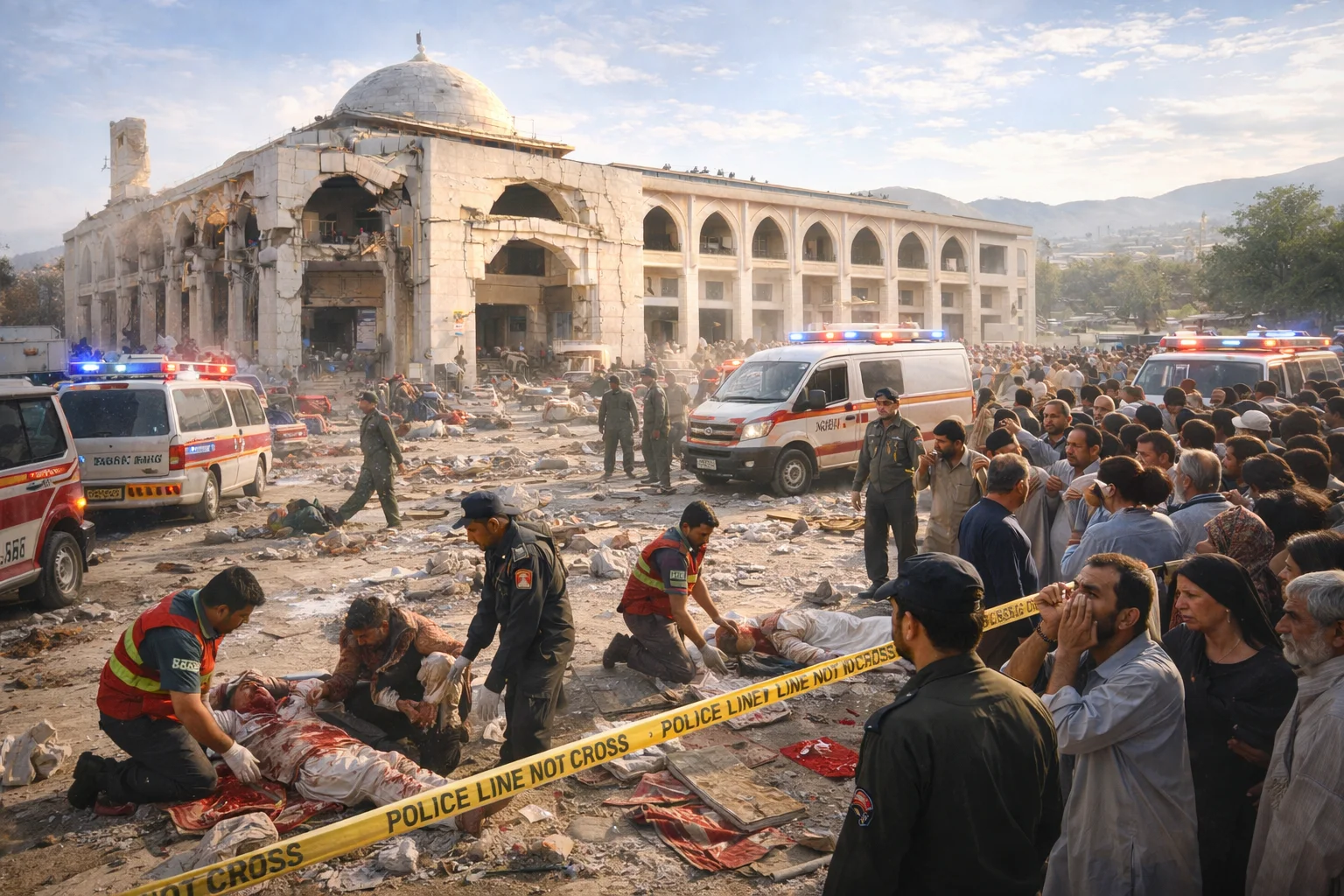
Image credit: AI-generated using ChatGPT by OpenAI
What Happened in the Islamabad Mosque Blast
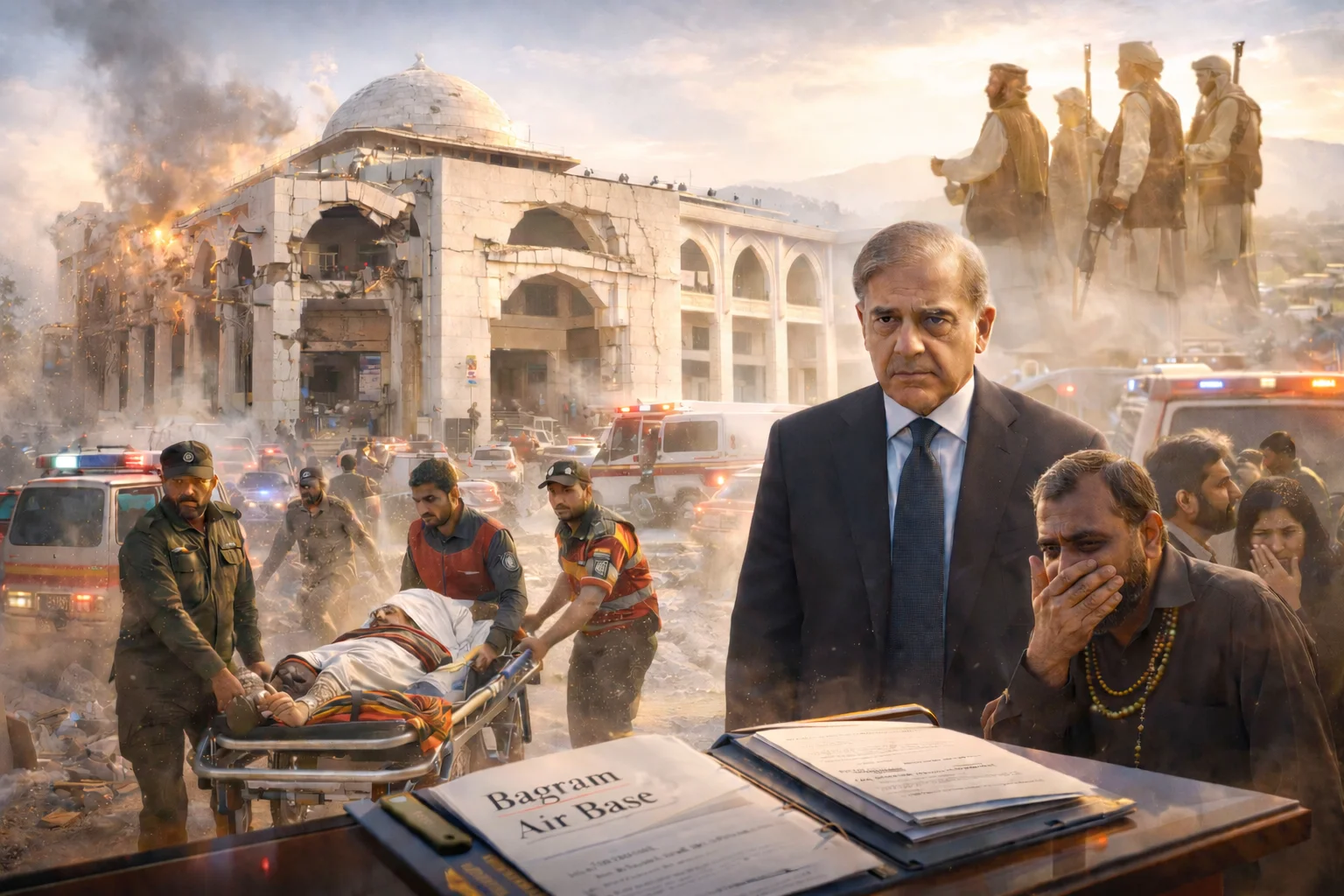
According to early reports from outlets like Al Jazeera, a fidayeen suicide bomber detonated explosives near a Shia mosque in Islamabad during prayer hours.
The choice of location was deliberate. The timing was deliberate. And the sectarian nature of the target immediately ruled out several usual suspects.
This was meant to shock, divide, and provoke.
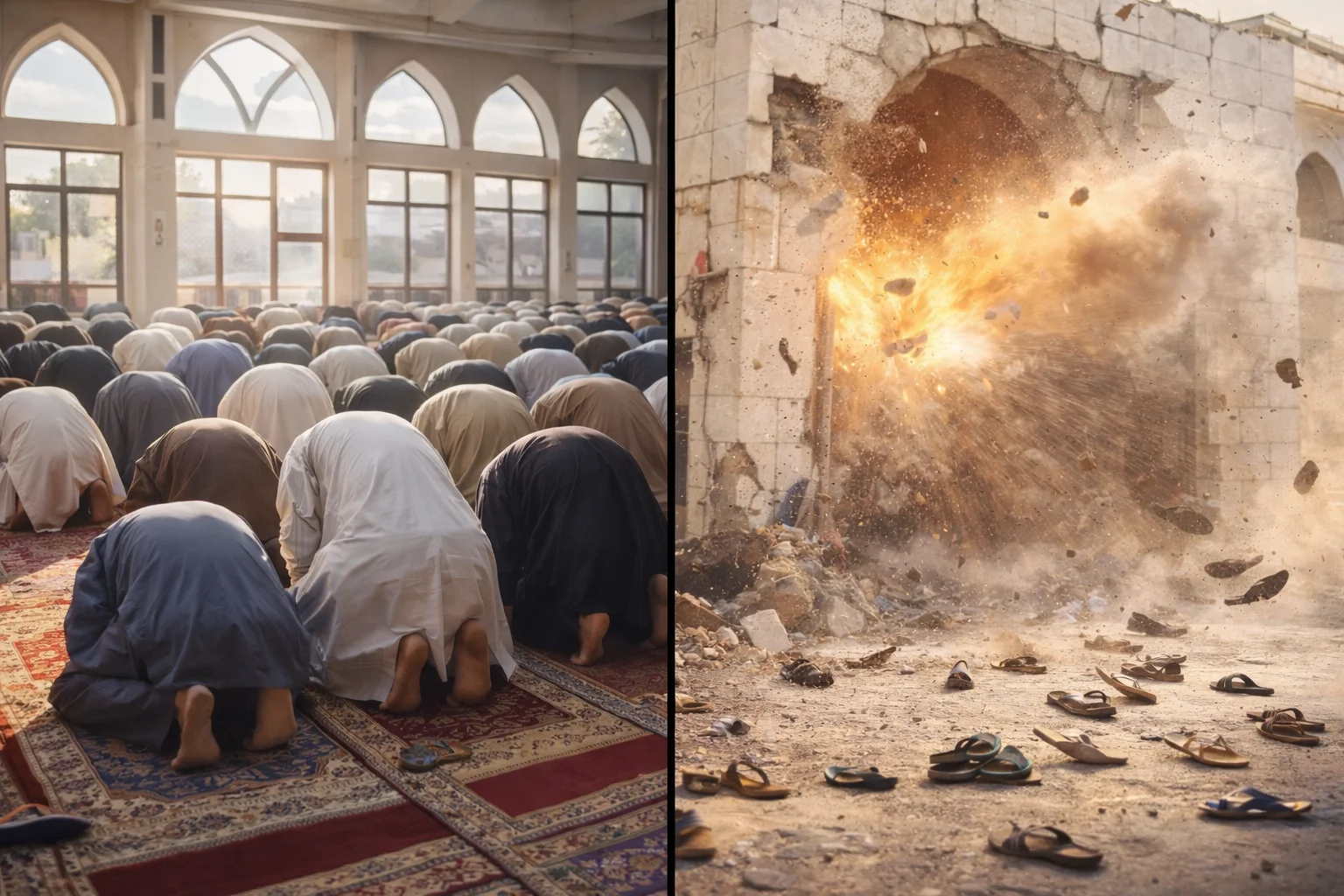
Image credit: AI-generated using ChatGPT by OpenAI
Conflicting Death Toll Numbers — Why They Keep Rising
Initial figures reported 31 deaths and 169 injured. Within hours, Pakistani sources began revising numbers upward.
This happens for three reasons:
- Victims die later from severe injuries
- Hospitals struggle with reporting accuracy
- Authorities initially understate casualties to control panic
The final toll of the Islamabad mosque blast may never be known with absolute certainty.

Image credit: AI-generated using ChatGPT by OpenAI
Was This the Balochistan Liberation Army? No — And Here’s Why
Given recent attacks, many immediately suspected the Balochistan Liberation Army (BLA). That assumption is incorrect.
The BLA:
- Targets Pakistani military and infrastructure
- Avoids sectarian religious sites
- Does not typically conduct suicide mosque bombings
This attack does not fit their ideology or operational pattern.
The Foreign National Angle and Afghanistan Link
Local Pakistani sources are pointing toward a foreign national, most likely from Afghanistan, with links to groups Pakistan refers to as Fitna al-Kharijari — a term commonly used for Tehreek-e-Taliban Pakistan (TTP).
This distinction matters. Because it reframes the attack from internal militancy to cross-border terrorism.
Who Is Tehreek-e-Taliban Pakistan (TTP)?
Tehreek-e-Taliban Pakistan is not just a terror group. It is an ideological movement.
Its ultimate goal mirrors what happened in Afghanistan:
- End democratic or military rule
- Establish Taliban-style governance
- Enforce extreme religious controls
If TTP succeeds, Pakistan would resemble today’s Afghanistan — where girls’ education is banned, music is outlawed, and civilians live under constant restriction.
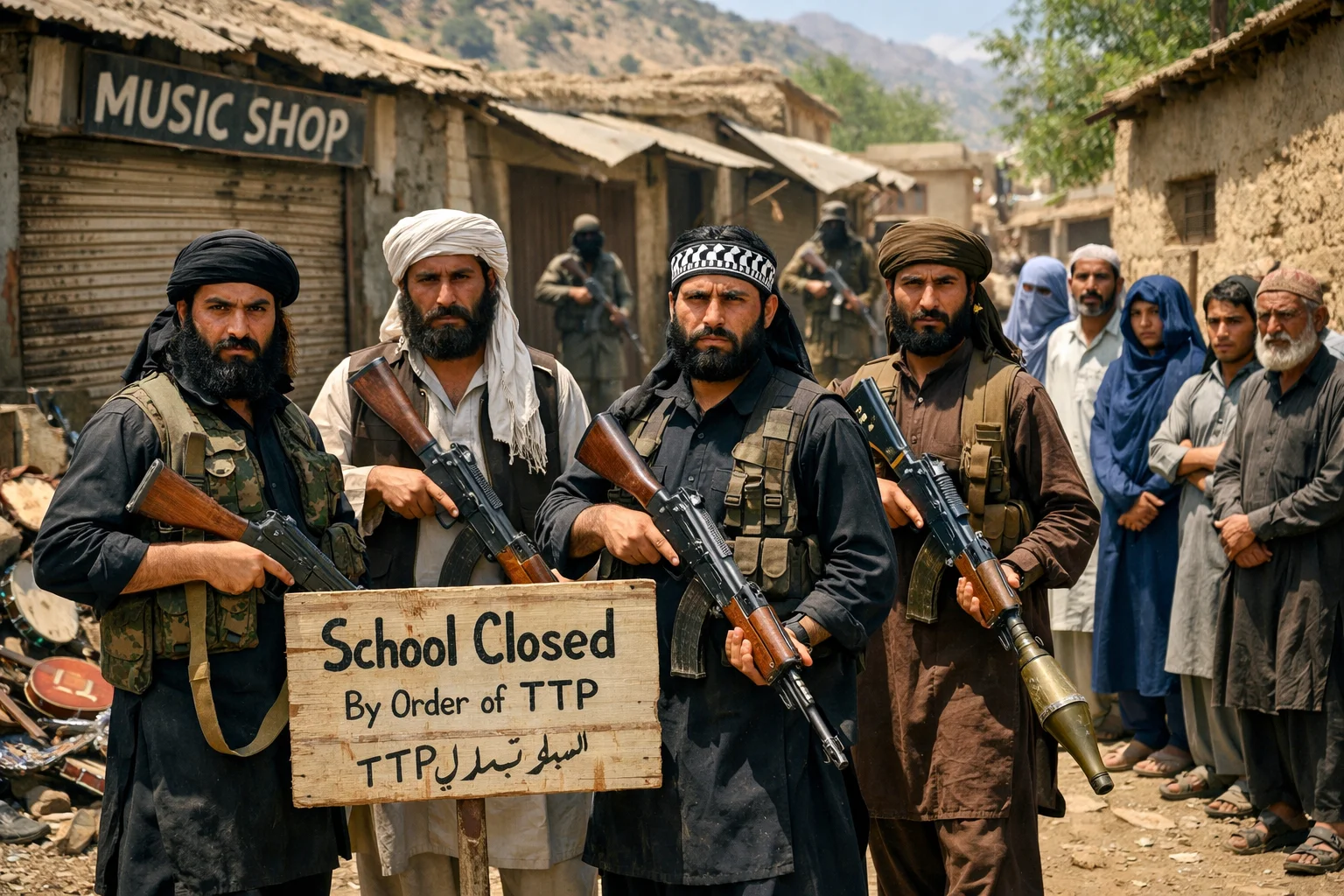
Image credit: AI-generated using ChatGPT by OpenAI
Why Shia Mosques Are Targeted Again and Again
Pakistan is roughly 80–85% Sunni Muslim, with Shia Muslims forming a minority.
Groups like TTP follow an ultra-hardline ideology that considers Shia beliefs deviant. History shows that whenever such groups gain strength, sectarian violence spikes first.
This is not random terror. It is ideological cleansing.
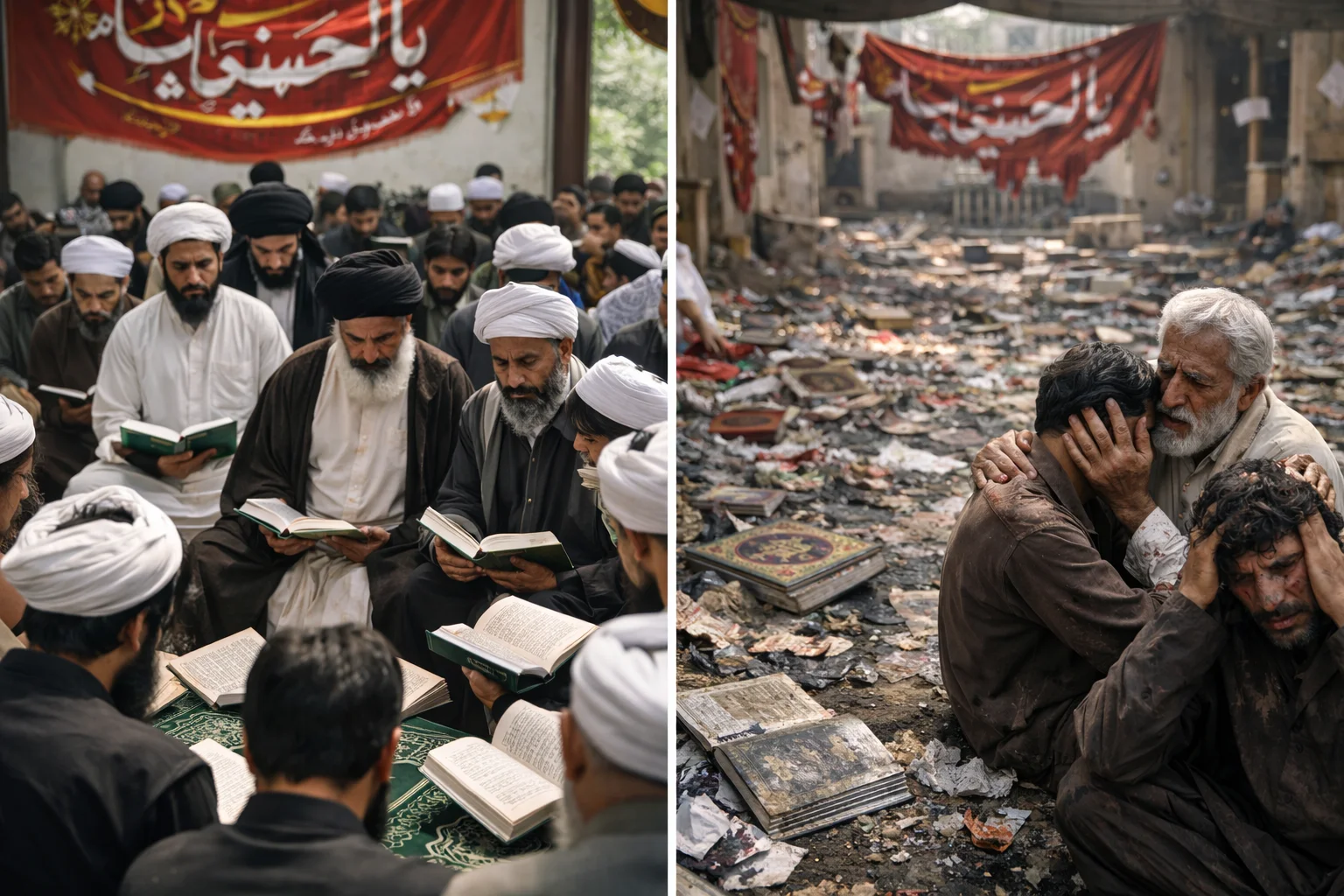
Image credit: AI-generated using ChatGPT by OpenAI
A Grim Pattern: Rising Civilian Deaths Year After Year
The Islamabad mosque blast fits into a terrifying trend:
- 2019 : 142 civilians killed
- 2020: 169 civilian deaths
- 2021: 215 civilians killed
- 2022: 229 civilians killed
- 2023: 398 civilians killed
- 2024: 582 civilians killed
- 2025: 655 civilians killed
In just the opening weeks of 2026, nearly 100 civilians (66 + Nearly 40 in Islamabad Mosque blast) have already died.
If this trajectory continues, 800–1,000 civilian deaths this year is not unrealistic.

Image credit: AI-generated using ChatGPT by OpenAI
Source : South Asia Terrorism Portal (SATP) Datasheet — Fatalities in Pakistan
Pakistan’s Security Forces Are Bleeding Too
Civilian deaths are only half the story.
In 2025 alone, over 1,200 Pakistani security personnel were killed. Compare that to:
- 200–300 per year in 2021–22
This fivefold increase is largely due to coordinated attacks by BLA and TTP.
A state can absorb sporadic violence. It cannot absorb sustained bleeding.
Why These Numbers Matter More Than You Think
These statistics are not just data points. They are political tools.
When violence reaches a tipping point, governments gain justification for:
- Emergency powers
- Cross-border operations
- Military escalation
This is where the Islamabad mosque blast becomes geopolitically explosive.
Manufacturing Public Consent for a Bigger War
Inside Pakistan, a narrative is forming:
“Unless we act inside Afghanistan, these attacks will never stop.”
This perception is powerful. And once public anger peaks, restraint disappears.
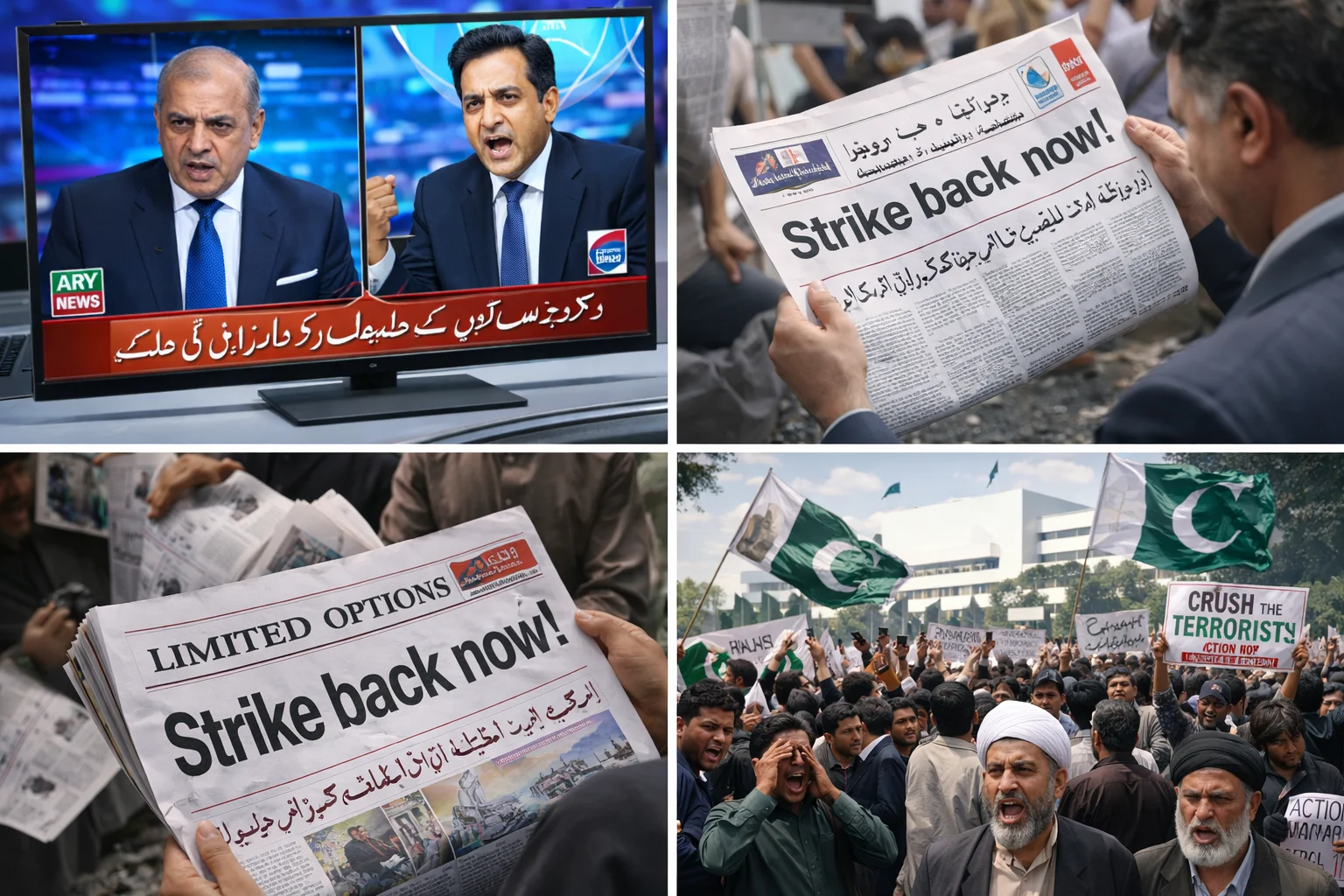
Image credit: AI-generated using ChatGPT by OpenAI
Afghanistan’s Taliban Accusation Against Pakistan
The Afghan Taliban have issued a sharp warning.
Their spokesperson accused Pakistan of:
- Bombing Afghan territory
- Violating sovereignty
- Acting on behalf of the United States
They explicitly stated that Pakistan is “muddying the water to catch fish” — creating chaos to justify deeper involvement.
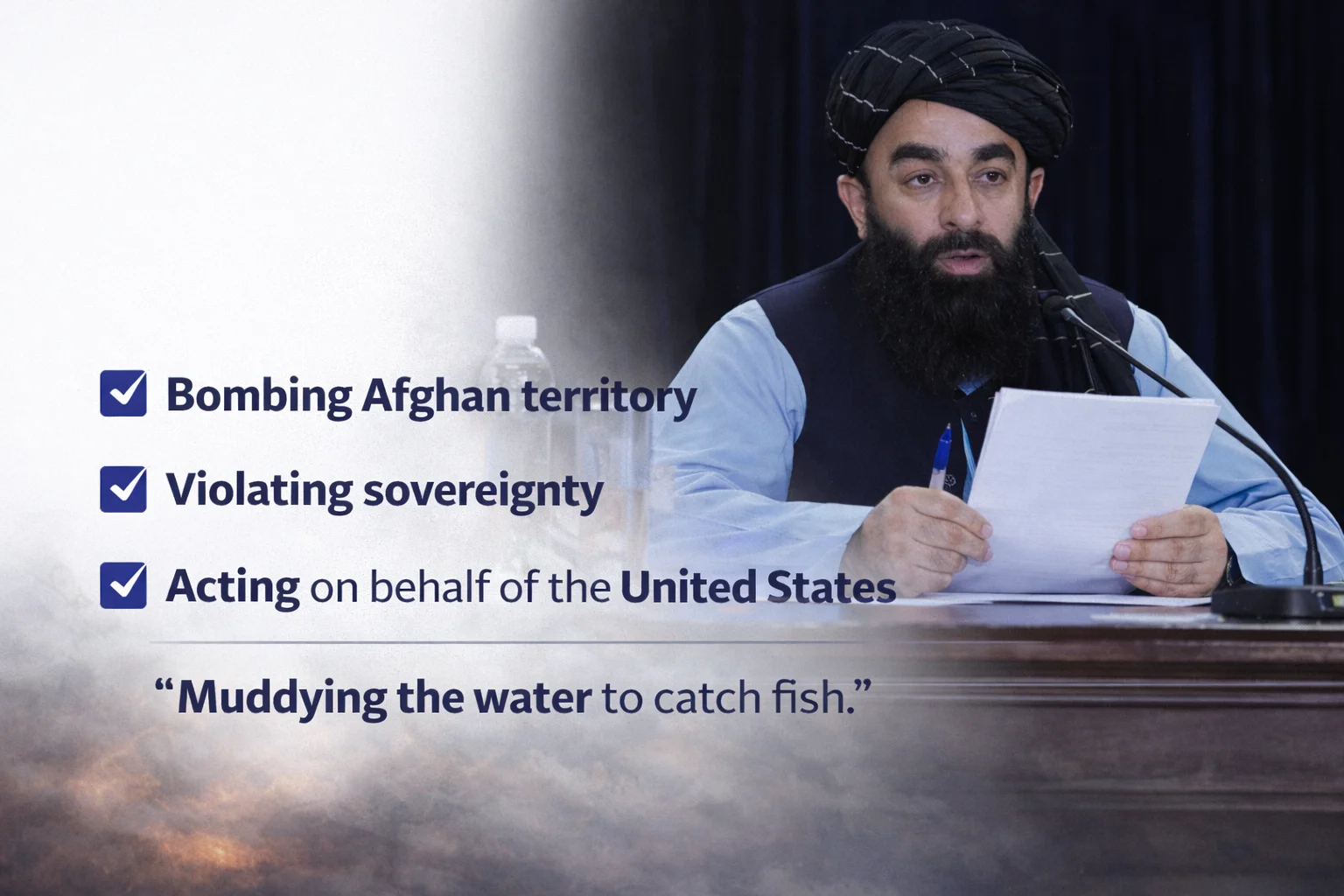
Image credit: AI-generated using ChatGPT by OpenAI
Source: Taliban Accuses Pakistan Of Paving Way For US Return to Afghanistan, Afghanistan International
The Bagram Air Base — Why It Still Matters
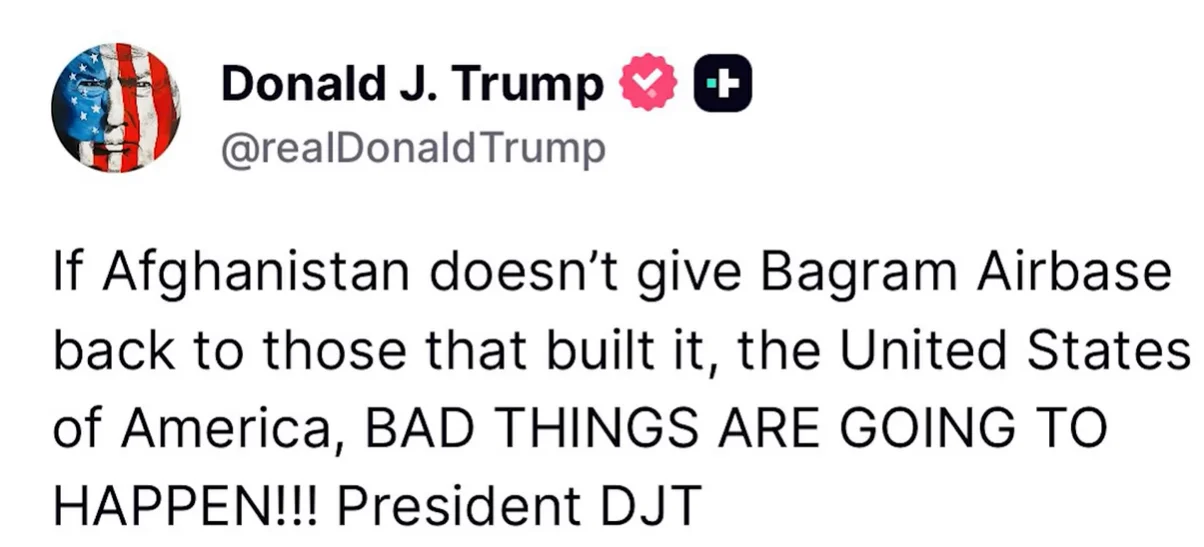
At the center of this accusation is Bagram Air Base, one of the largest military installations ever built in Afghanistan.
Former US President Donald Trump has repeatedly said the US should never have abandoned Bagram and has openly expressed interest in reclaiming it.
The base was originally built by the USSR and later expanded massively by the US.
Dated : Sept 21, 2025
Geography That Changes Everything
Bagram is located dangerously close to the Durand Line, the Pakistan–Afghanistan border.
Any Pakistani ground operation could:
- Create a security corridor
- Enable US logistical return
- Shift regional power balances
This is why Afghanistan is alarmed.
What Pakistan Gets in Return
Pakistan’s cooperation has not gone unrewarded:
- Easier IMF and World Bank loans
- Renewed Western diplomatic engagement
- $1.3 billion investment interest in Reko Diq
None of this is charity. Strategic favors always come with a price.
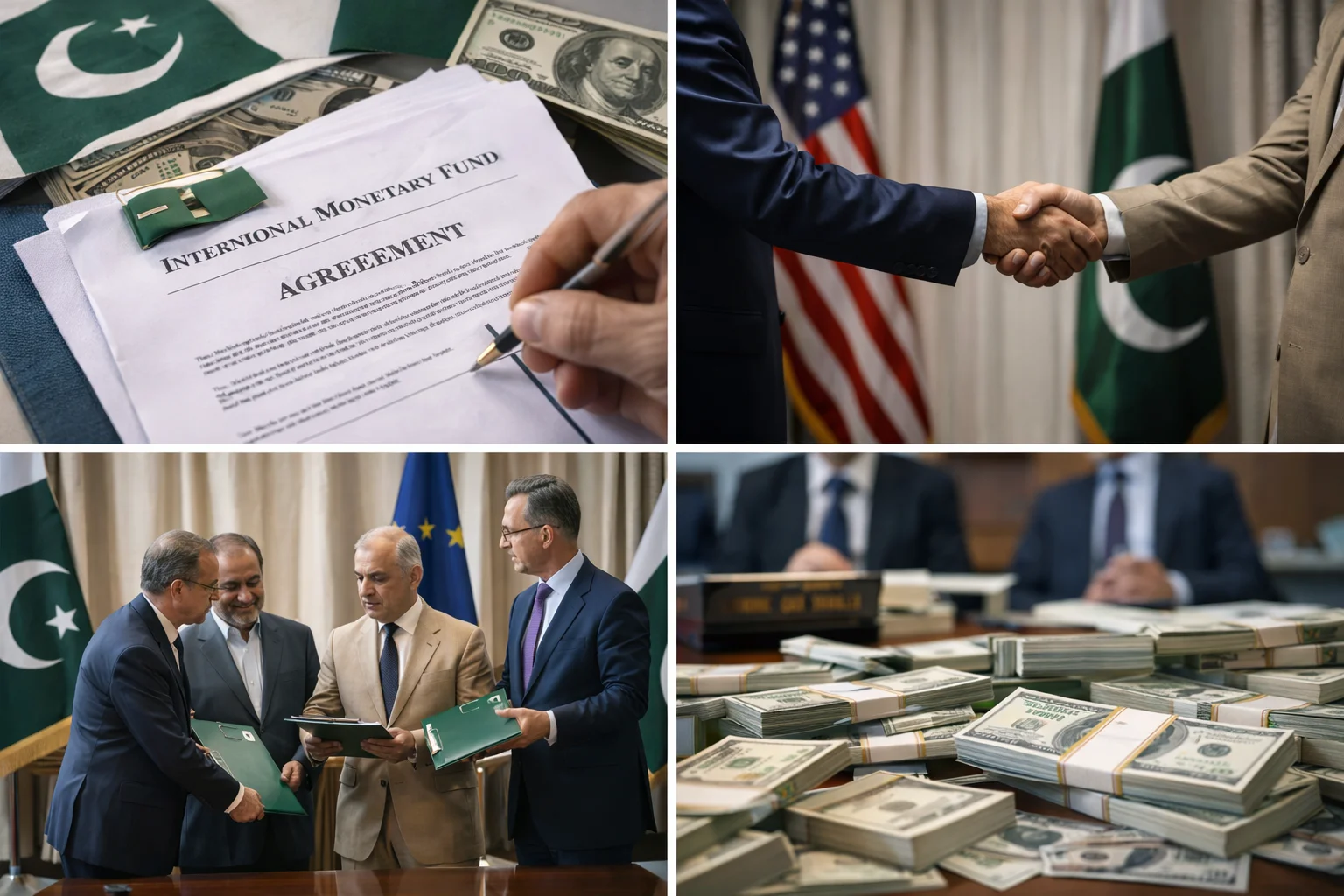
Image credit: AI-generated using ChatGPT by OpenAI
Why These Attacks Are Not “Isolated Incidents”
The Islamabad mosque blast should not be viewed alone.
It is part of a sequence:
- Rising terror
- Public fear
- Military justification
- Regional escalation
Once this cycle begins, it rarely stops cleanly.
The Dangerous Road Ahead for South Asia
If Pakistan launches a large-scale operation inside Afghanistan:
- Taliban retaliation is guaranteed
- Border instability will explode
- India, China, Iran, and Russia will recalibrate
This could become the most destabilizing regional event in two decades.
Final Verdict: A Region Standing on a Fault Line
The Islamabad mosque blast is more than a tragedy. It is a signal.
A signal that Pakistan is nearing a breaking point.
A signal that Afghanistan fears a proxy escalation.
And a signal that global powers may once again step into the region — quietly, strategically, and at great cost.
History shows that wars rarely start with declarations.
They start with moments like this.
FAQs
Who carried out the Islamabad mosque blast?
Early indications point toward TTP-linked militants, possibly involving a foreign national from Afghanistan.
Why was a Shia mosque targeted?
Sectarian ideology is central to extremist groups like TTP, which view Shia Muslims as illegitimate.
Could Pakistan invade Afghanistan?
Not officially, but mounting attacks could push Pakistan toward cross-border military operations.
Why is Bagram Air Base important again?
Its strategic location and infrastructure make it valuable for any power seeking regional control.
What’s Your Opinion?
Do you believe Pakistan is being pushed toward a larger war — or is this an unavoidable response to terrorism?
Share your view. Because what happens next will shape South Asia’s future.
Explore deeper analyses in our World Affairs, Strategic Depth and Defense & Security sections.
Sources – Afghanistan International: Taliban Accuses Pakistan Of Paving Way For US Return to Afghanistan, SATP Datasheet — Fatalities in Pakistan , News24Online — Islamabad mosque blast and BLA claims