Iran Baal statue protest erupts in Tehran as Trump, Epstein files and war fears collide. What does this symbolic fire really mean? Full Analysis Inside.
Table of Contents
Introduction: Why Is Iran Burning Baal Statues?
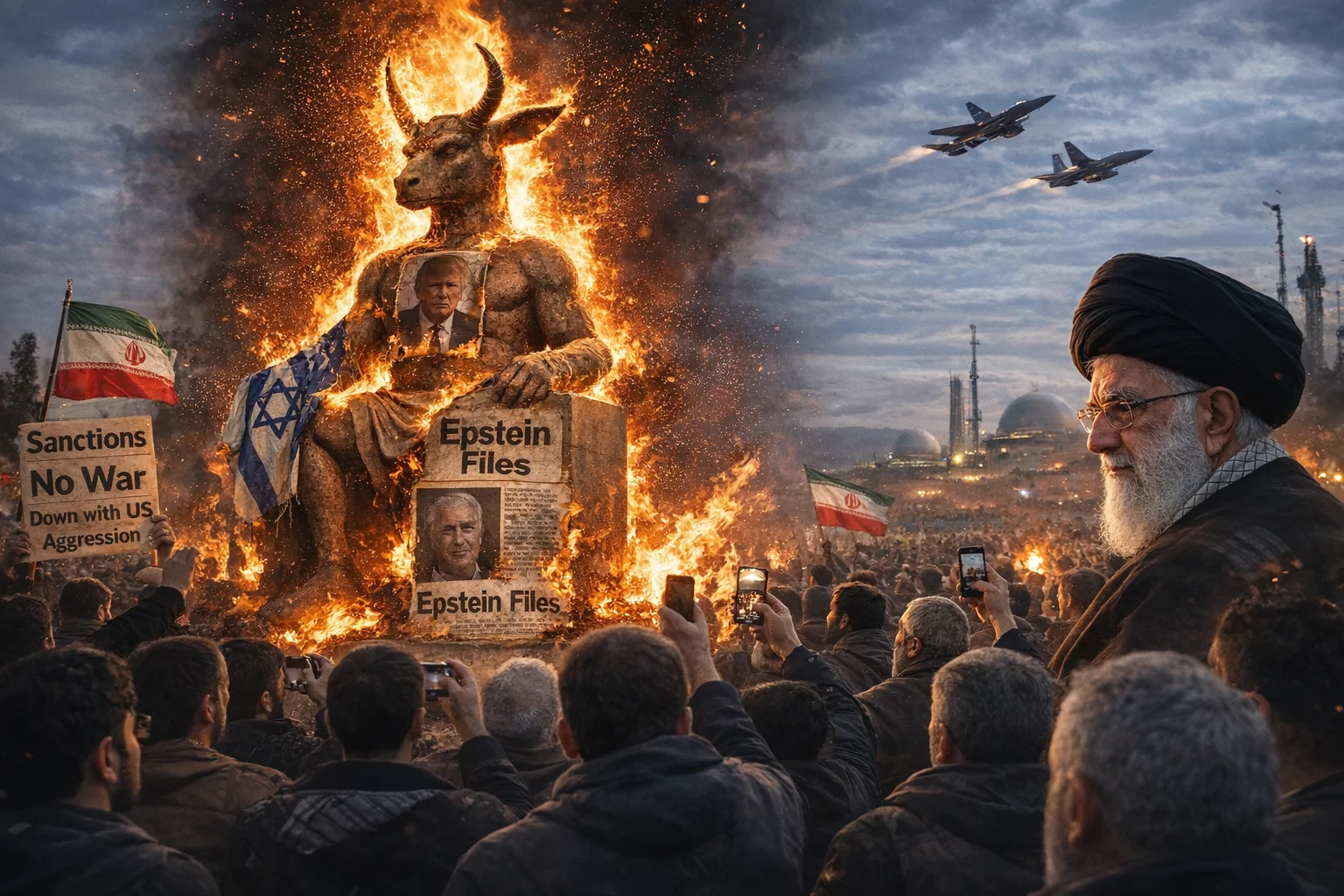
In recent days, visuals emerging from Tehran and other parts of Iran have sparked global curiosity.
Protesters have been seen burning statues of Baal (also spelled Bel) — an ancient Middle Eastern deity worshipped thousands of years ago in parts of what is now modern-day Israel, Palestine, and Lebanon.
On these statues:
- The Israeli flag
- The Star of David
- Photos of Donald Trump
- And in some cases, references to Jeffrey Epstein
have been attached before being set on fire.
But why is this happening?
Is this religious? Political? Psychological warfare?
The answer lies in a mix of geopolitics, symbolism, conspiracy narratives, and rising US–Iran tensions.
🇮🇷 The Full Baal Burning Video in Iran
— Ryan Rozbiani (@RyanRozbiani) February 11, 2026
Iranians burned a Baal statue and an image of Jeffrey Epstein.
"We, the monotheists of the world, by the help of God, will bring down the worshipers of Baal, the worshipers of Satan, and the arrogant oppressors."pic.twitter.com/0CqDfFHbsX
Source: X — Posted by @RyanRozbiani . For Original post click here.
Iran’s 1979 Islamic Revolution Anniversary and War Fears
Iran is currently marking the anniversary of the 1979 Islamic Revolution, when the Shah was overthrown and the Islamic Republic was established under Ayatollah Khomeini.
This year’s anniversary comes amid:
- Heightened tensions with the United States
- Reports of increased US military presence in the region
- Speculation about possible strikes on Iranian nuclear infrastructure
There is visible anxiety inside Iran about a potential sudden US strike.
This broader climate of tension forms the backdrop of the Iran Baal statue protest phenomenon.
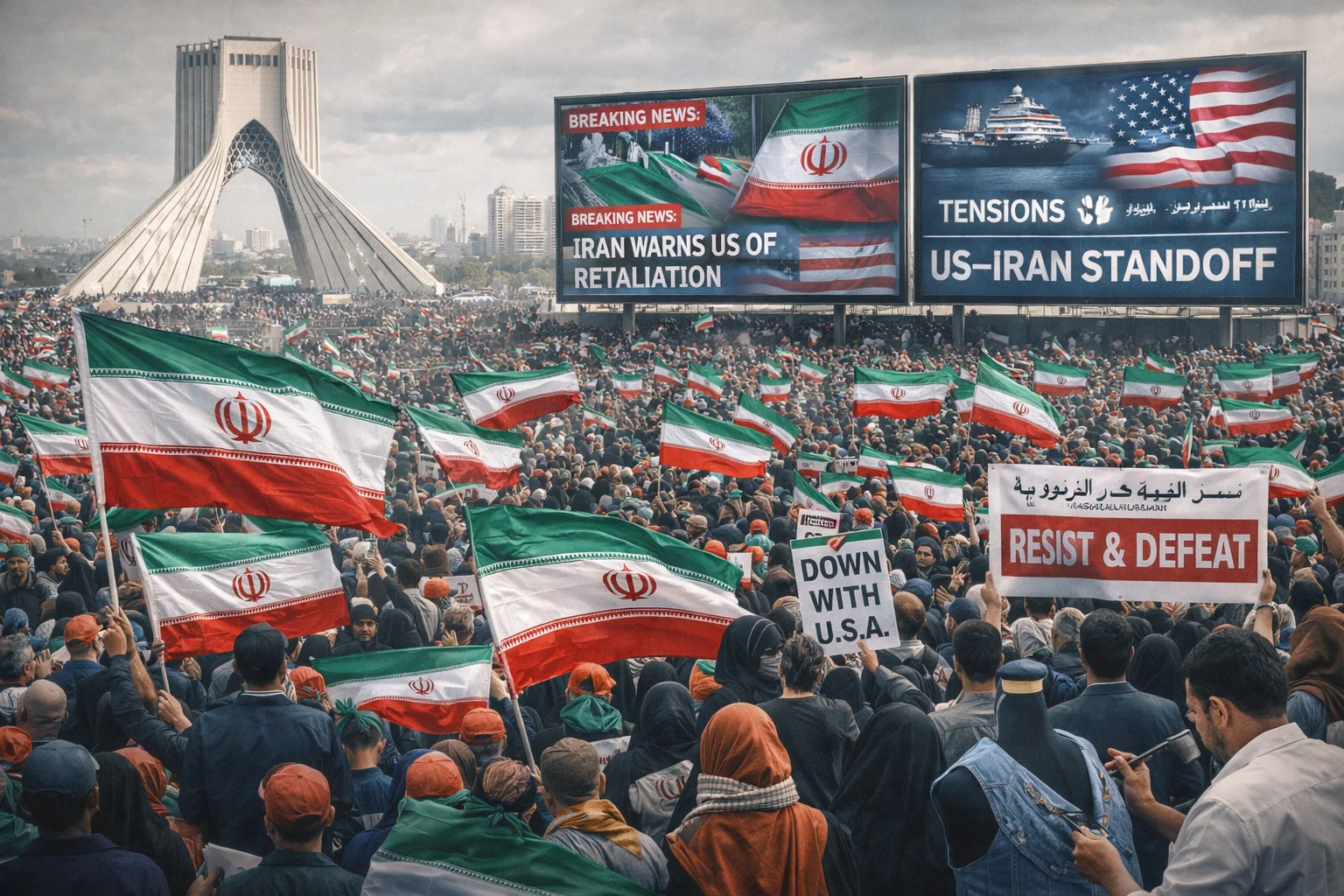
Image credit: AI-generated using ChatGPT by OpenAI
What Is Baal and Why Is It Being Used as a Symbol?
Baal was a deity worshipped in ancient Levantine civilizations over 2,000 years ago.
Important clarification:
- Baal is not worshipped in Judaism
- Not worshipped in Christianity
- Not worshipped in Islam
- Not associated with modern Israel
However, in various internet conspiracy theories, Baal is sometimes symbolically linked to secret elite cult narratives. These claims have no verified evidence, but they circulate widely online.
Iranian protest imagery appears to draw on these conspiracy themes to symbolically connect:
- Baal
- Western elites
- Jeffrey Epstein
- Donald Trump
- Israel
This symbolic merging forms the core of the current Iran Baal statue protest imagery.
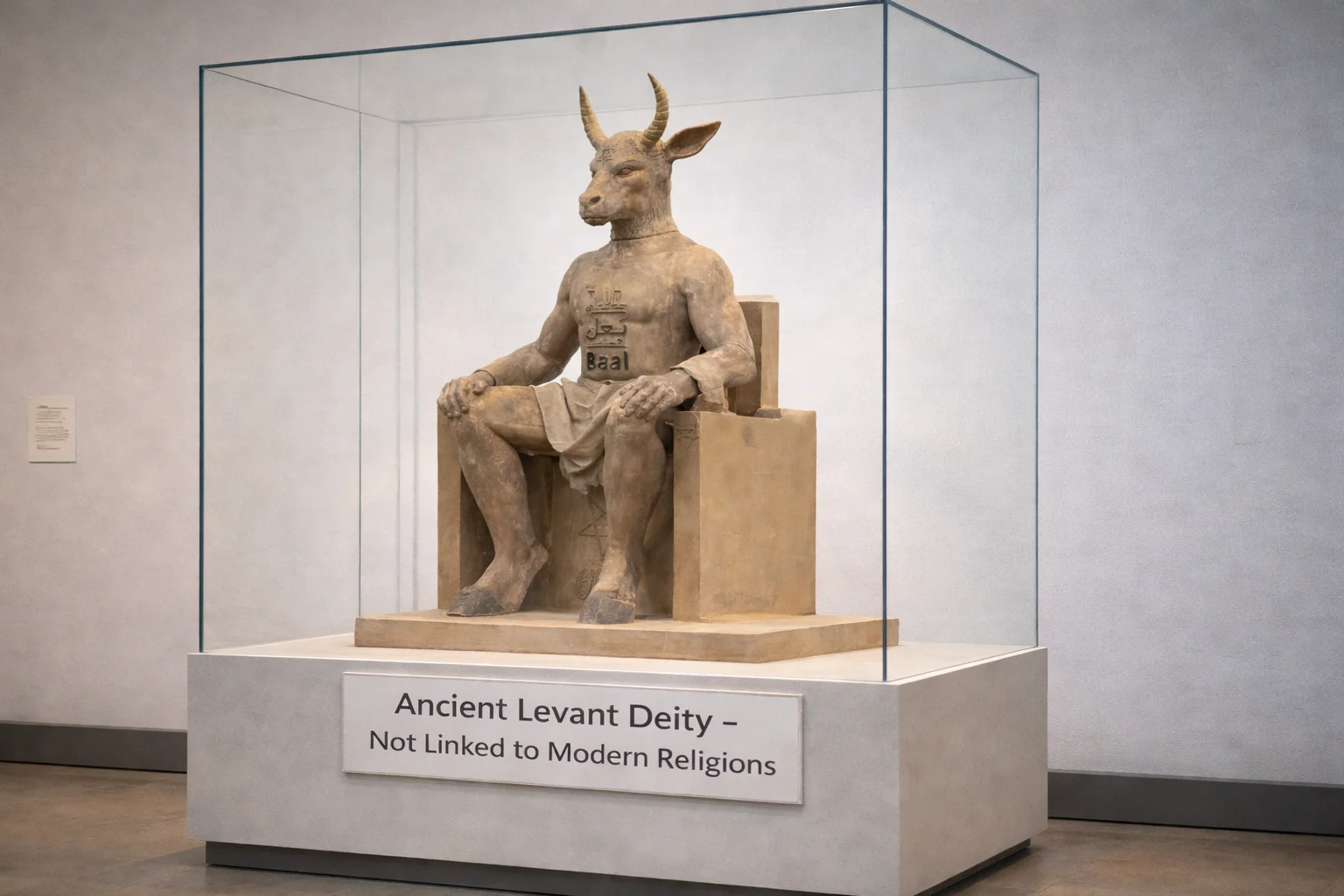
Image credit: AI-generated using ChatGPT by OpenAI
The Jeffrey Epstein Files Connection
Recently, renewed attention has returned to the documents related to Jeffrey Epstein.
Some released materials include:
- Emails
- Financial references
- Redacted documents
- Allegations discussed in US hearings
In certain online interpretations, references to the word “Baal” in financial contexts triggered speculation about hidden symbolism. However:
There is no verified evidence that Epstein, Trump, or any political figure worshipped Baal.
It remains within the realm of internet conspiracy theory.
Still, in emotionally charged geopolitical environments, symbolic narratives can gain traction rapidly.
Inside Iran, these narratives are being used to frame the US and Israel as morally corrupt adversaries.
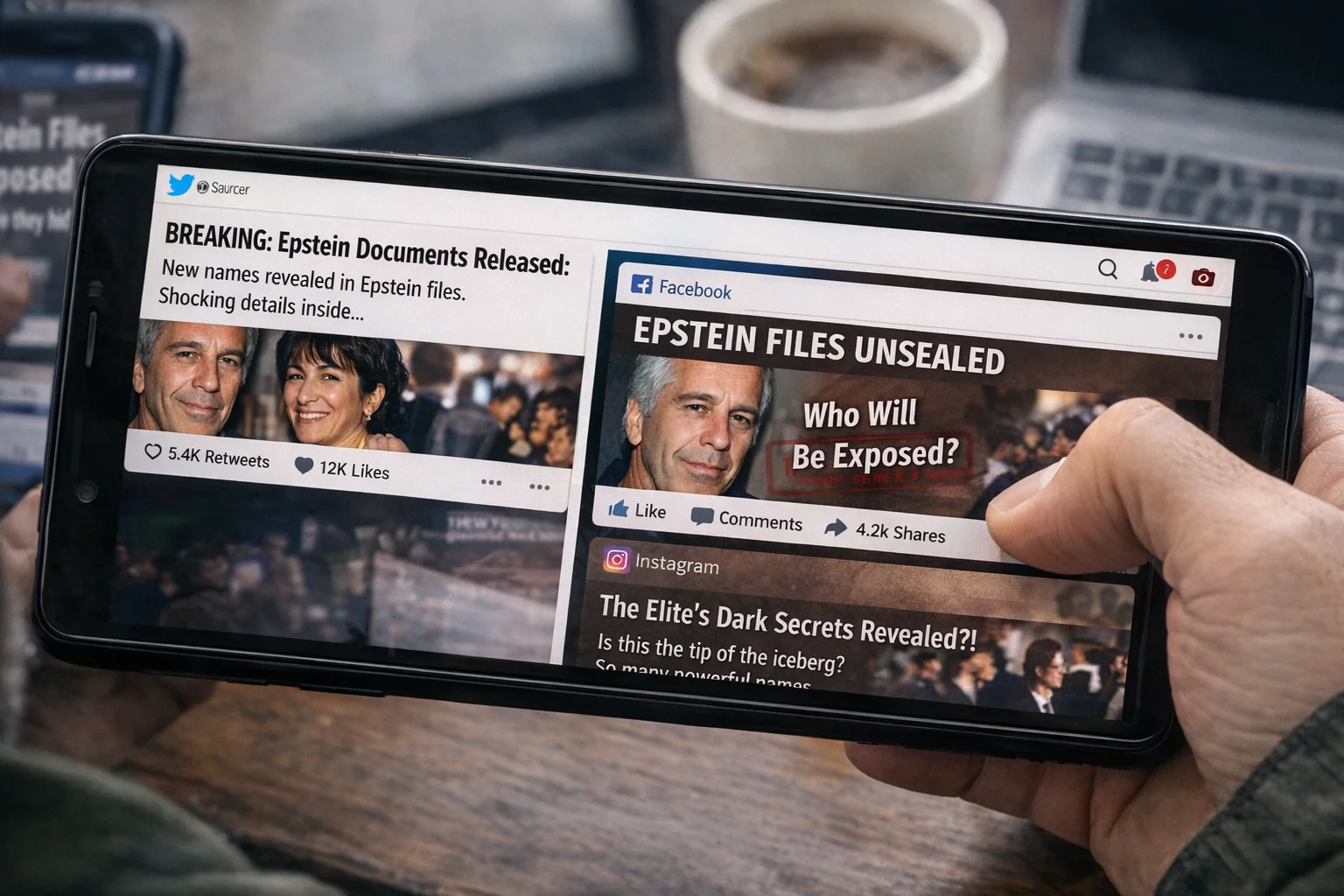
Image credit: AI-generated using ChatGPT by OpenAI
Donald Trump Allegations and Iranian Public Anger
In US political debates and hearings, allegations related to Epstein’s associations have resurfaced. Some US lawmakers have referenced past connections between Trump and Epstein.
Important distinction:
- Allegations have been discussed.
- Many documents remain redacted.
- No court conviction has established wrongdoing by Trump in connection to these claims.
Video courtesy of C-SPAN.
Watch the original clip: Rep. Ted Lieu Claims President Trump is Accused of Raping Children in the Epstein Files
However, inside Iran, public anger toward Donald Trump already exists due to:
- Withdrawal from the Iran nuclear deal
- Sanctions regime
- Past military escalations
- The killing of General Qassem Soleimani (2020)
The Baal statue protests appear to symbolically merge:
Trump + Epstein + Israel + Ancient evil symbolism
This is psychological messaging, not a theological movement.
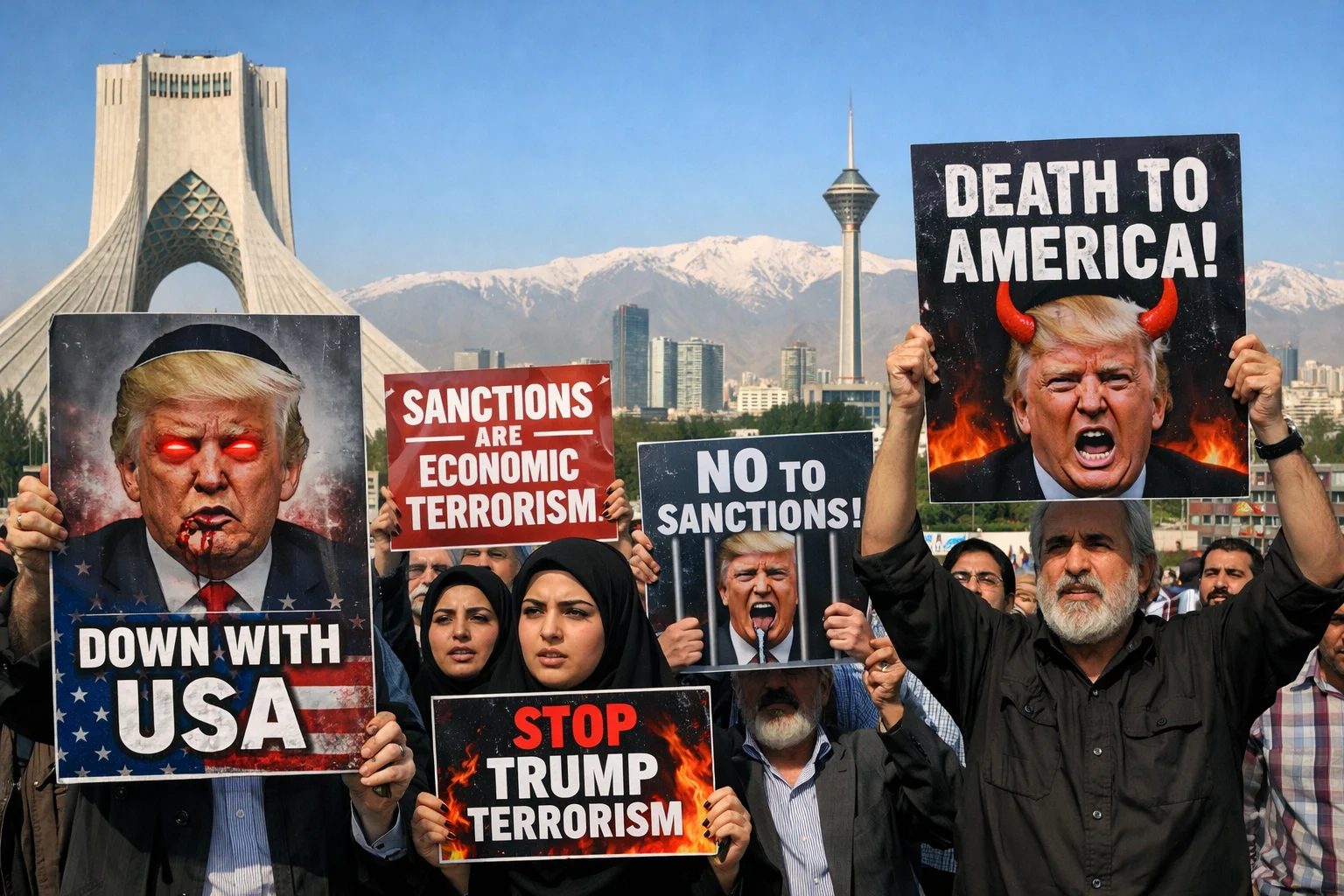
Image credit: AI-generated using ChatGPT by OpenAI
Psychological Warfare Through Symbolism
The Iran Baal statue protest is best understood as symbolic psychological warfare.
The message being communicated domestically is:
“We are standing against morally corrupt global powers.”
By combining:
- Baal imagery
- Israeli flags
- US symbols
- Epstein references
Protesters create a powerful emotional narrative for domestic audiences.
Whether factually grounded or not, symbolic warfare is highly effective in mobilizing public sentiment during periods of external threat.
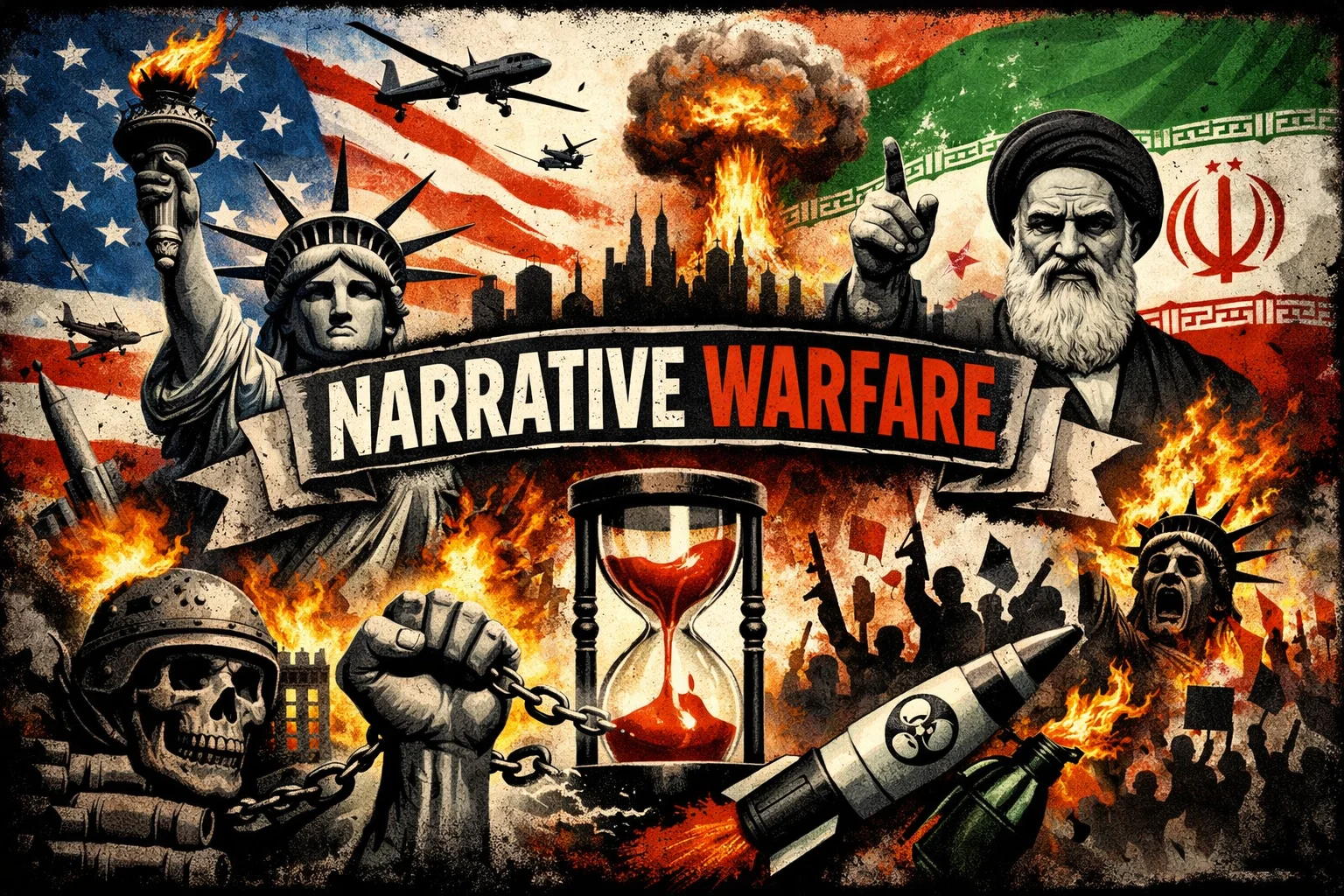
Image credit: AI-generated using ChatGPT by OpenAI
The Real Strategic Issue: Possible US–Iran Escalation
Beyond symbolism, the real strategic concern is military.
Satellite imagery and defense analysis suggest:
- Iranian nuclear sites have reportedly been reinforced
- Additional fortification layers appear around underground facilities
- Defensive readiness seems elevated
Iran appears concerned about potential bunker-buster strikes if escalation occurs.
If a US strike were to happen, it would represent one of the most significant direct escalations in US–Iran relations.
At this stage:
There is tension.
There is military positioning.
But there is no confirmed imminent strike.
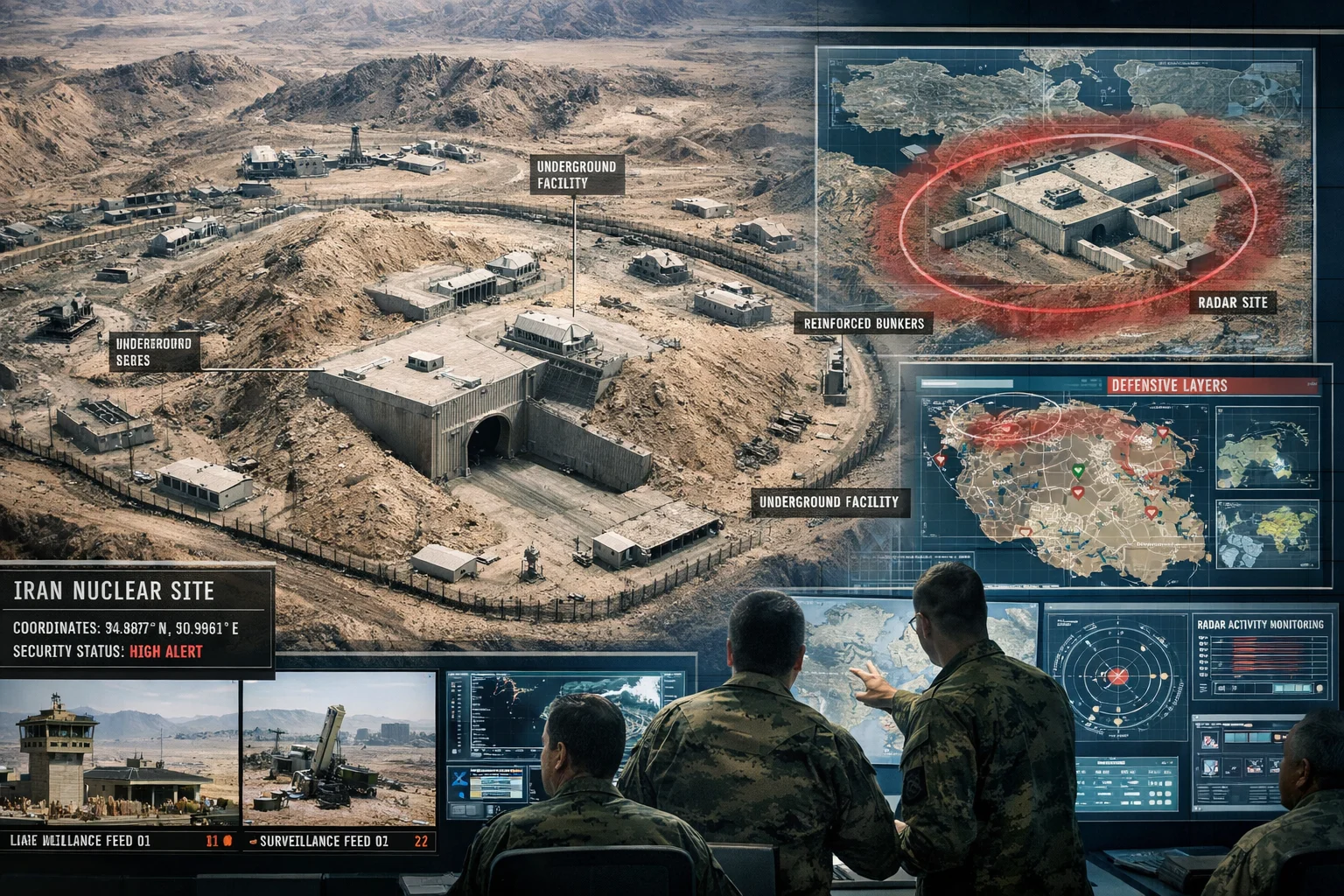
Image credit: AI-generated using ChatGPT by OpenAI
What This Means Geopolitically
The Iran Baal statue protest highlights three major realities:
- Symbolism spreads faster than facts
- Conspiracy narratives can be weaponized geopolitically
- US–Iran tensions remain structurally unstable
While the imagery is dramatic, the underlying issue is strategic deterrence and military balance — not ancient religion.
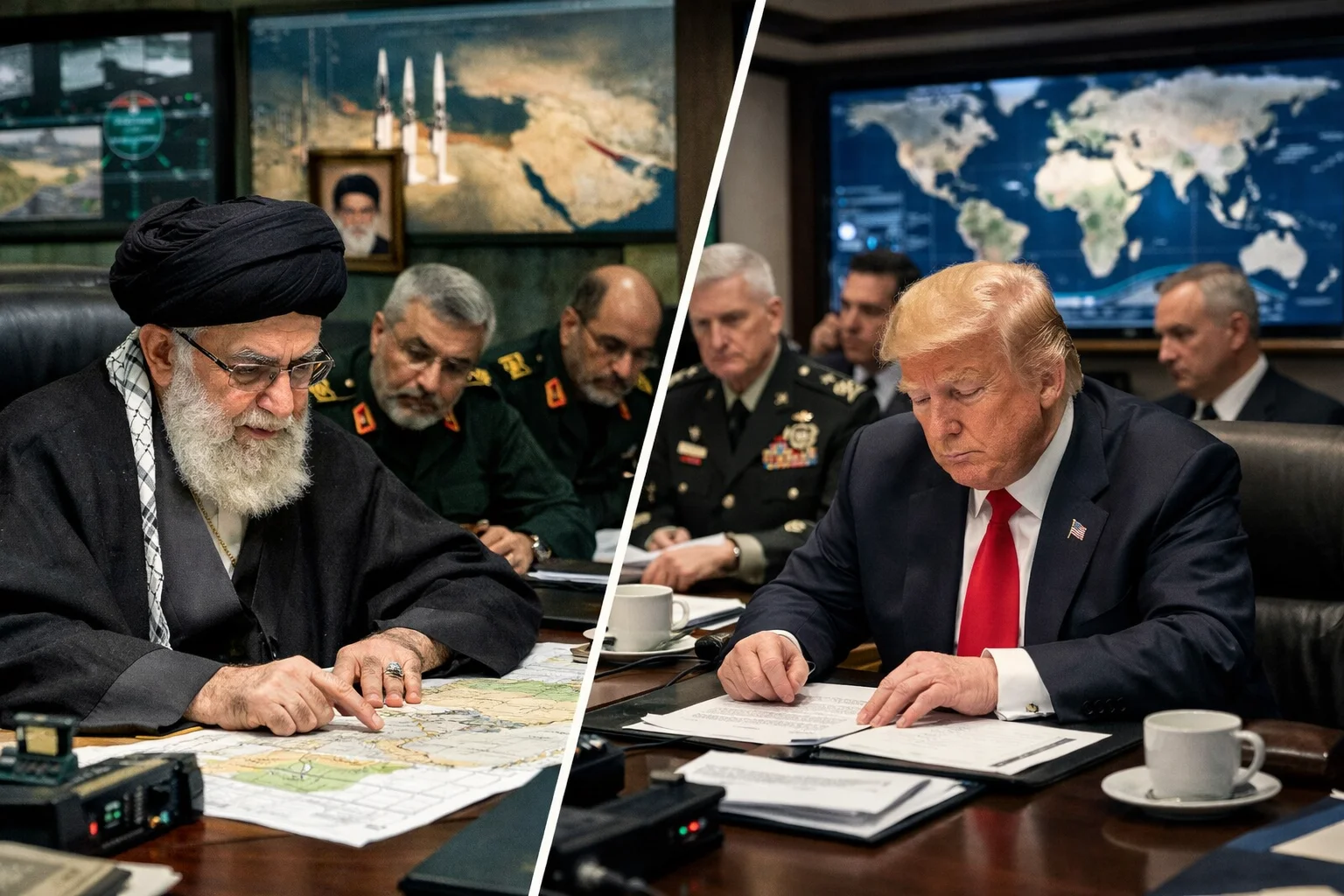
Image credit: AI-generated using ChatGPT by OpenAI
FAQs
What is the Iran Baal statue protest?
It refers to recent demonstrations in Iran where protesters burned statues of Baal symbolically linked to Israel, Donald Trump, and Jeffrey Epstein amid rising US–Iran tensions.
Does modern Israel worship Baal?
No. Baal is an ancient deity not worshipped in Judaism or any major modern religion.
Are the Epstein file claims about Baal proven?
No verified evidence confirms any connection between Baal worship and Jeffrey Epstein or Donald Trump. These links circulate in conspiracy theories.
Is a US strike on Iran confirmed?
No official confirmation exists. However, regional tensions and military positioning have increased speculation.
Why is Iran reinforcing nuclear sites?
Likely as a defensive precaution amid escalating rhetoric and potential strike concerns.
Final Analysis
The Iran Baal statue protest is not about religion.
It is about narrative warfare.
It reflects how ancient symbols can be repurposed to frame modern geopolitical rivalries.
As tensions rise between the United States and Iran, symbolic messaging may intensify — but whether that translates into real military escalation remains uncertain.
The coming weeks could be strategically decisive.
Share Your Opinions
A Bigger Question: Is This Protest Meant for the World, Not Just Iran?
The Iran Baal statue protest may look like domestic anger — but is it actually designed for global psychological impact?
Share your thoughts in the comments and explore our other deep-dive geopolitical analyses in World Affairs, Indian Affairs and Defense & Security sections.
Sources : BBC, Axios, Hindustan Times