2026 was always expected to be geopolitically significant for India. Elections in Bangladesh, Nepal, Japan, and US midterms all carry ripple effects for New Delhi.
But among them, Bangladesh elections 2026 stand out as the most sensitive.
Why?
Because Bangladesh is not just a neighbor — it directly impacts India’s internal security, border stability, and regional balance.
Table of Contents
The Political Shock in Bangladesh
After a long period of political turbulence under Muhammad Yunus, Bangladesh finally concluded elections.
The surprise?
- Awami League was banned
- BNP (Bangladesh Nationalist Party) secured a convincing majority
- Tarique Rahman is set to become Prime Minister
This immediately reshapes Bangladesh and India relations dynamics. Narendra Modi conveyed his warm congratulations to Mr. Tarique Rahman on winning Bangladesh Elections 2026.
I convey my warm congratulations to Mr. Tarique Rahman on leading BNP to a decisive victory in the Parliamentary elections in Bangladesh.
— Narendra Modi (@narendramodi) February 13, 2026
This victory shows the trust of the people of Bangladesh in your leadership.
India will continue to stand in support of a democratic,…
Source : X Posted by @narendramodi
But the story is not simple.
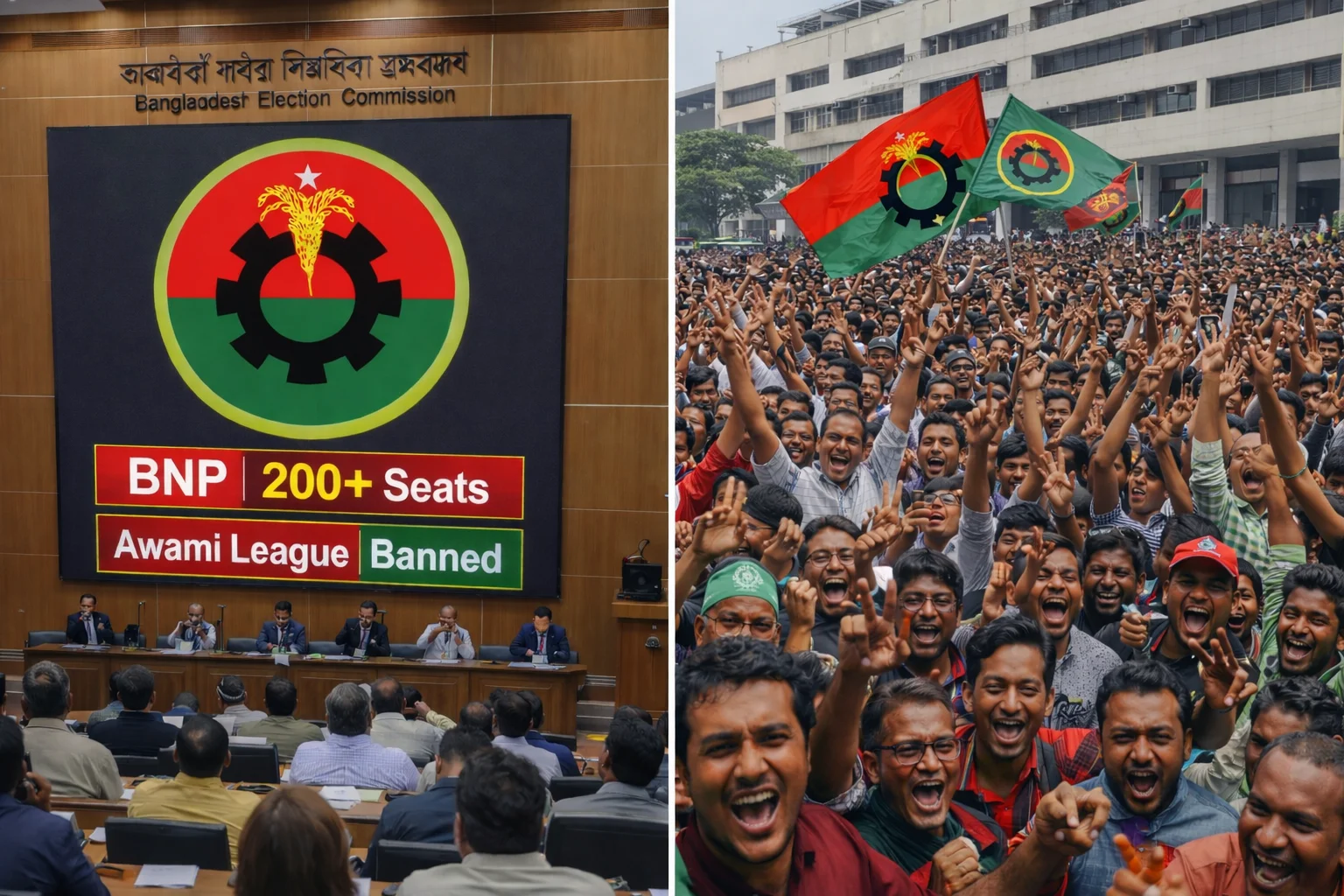
Image credit: AI-generated using ChatGPT by OpenAI
The Awami League Ban: A Question Mark
The elections were controversial because Awami League — historically one of Bangladesh’s largest political forces — was barred from participating.
When a dominant party is banned:
- Smaller parties gain disproportionate space
- Radical voices can expand
- Electoral outcomes become structurally skewed
That is exactly what happened.
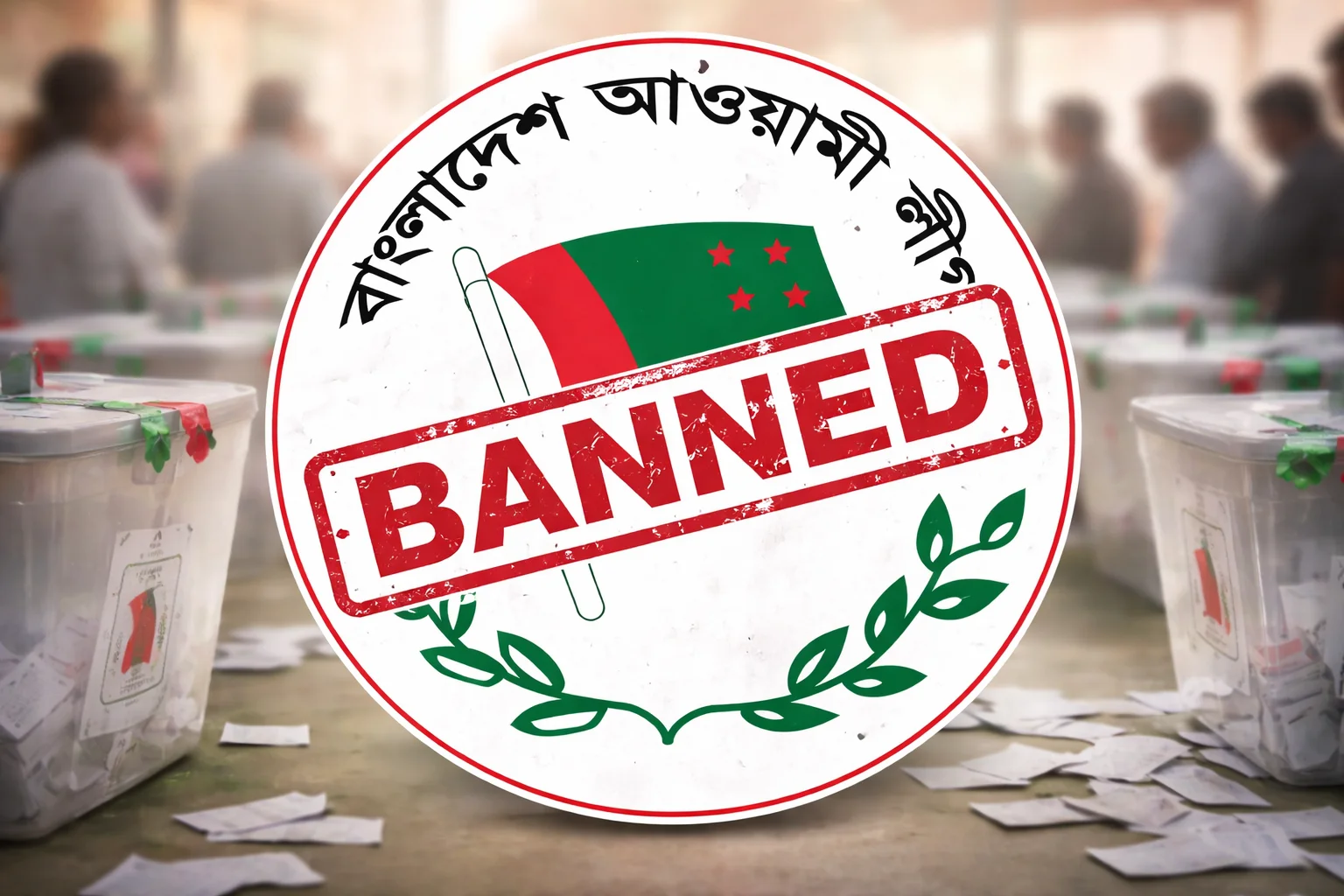
Image credit: AI-generated using ChatGPT by OpenAI
The Jamaat Factor: India’s Real Concern
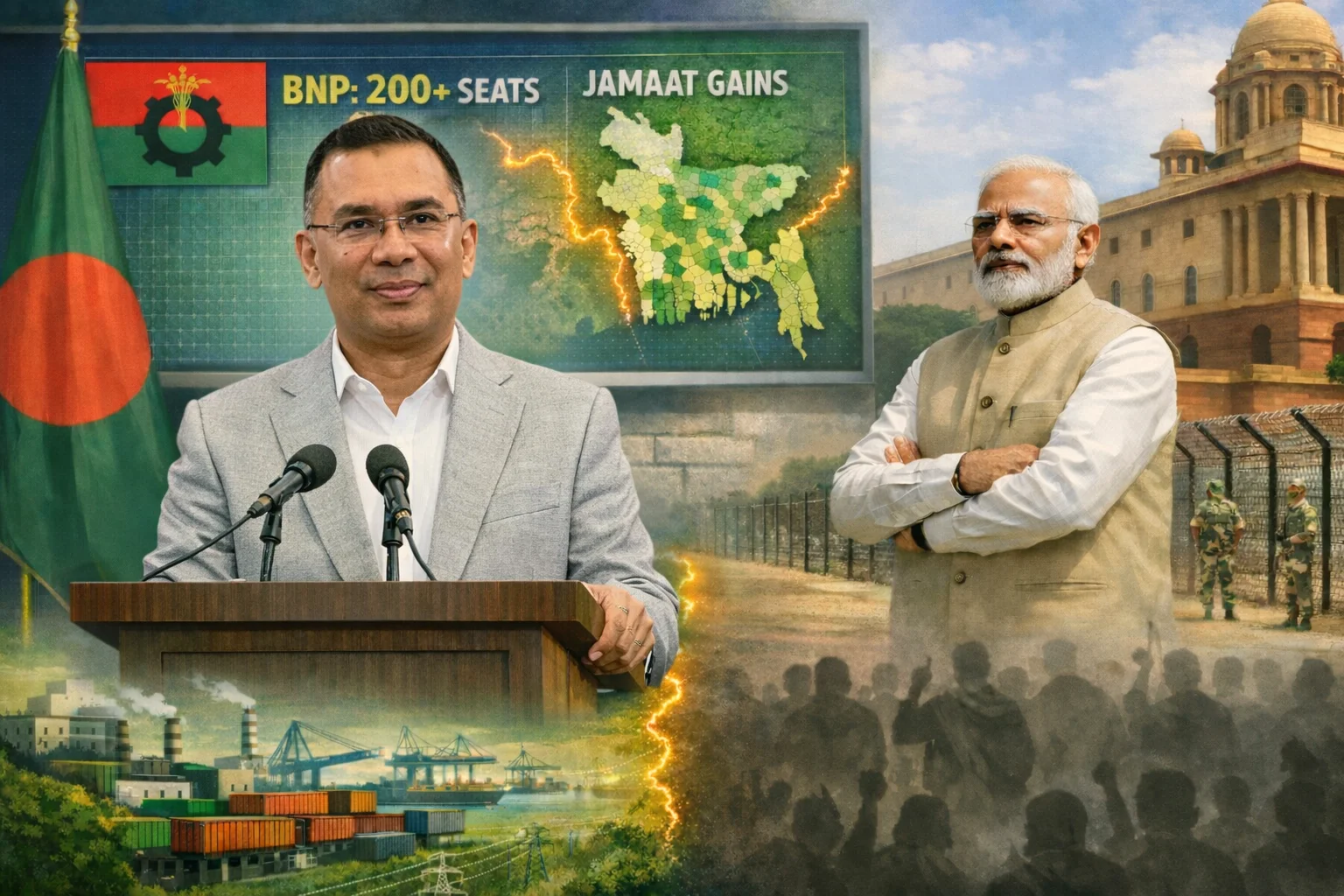
While BNP won comfortably, Jamaat-e-Islami performed strongly in border-adjacent regions, particularly areas touching West Bengal.
This is significant.
Many Jamaat leaders in the past:
- Have used anti-India rhetoric
- Expressed pro-Pakistan sentiments
- Supported narratives hostile to Indian security
Even if Jamaat is not in power, its parliamentary presence matters.
For India, the core concern is simple:
Bangladesh must not become a platform for anti-India radicalism.
That is the minimum strategic requirement.
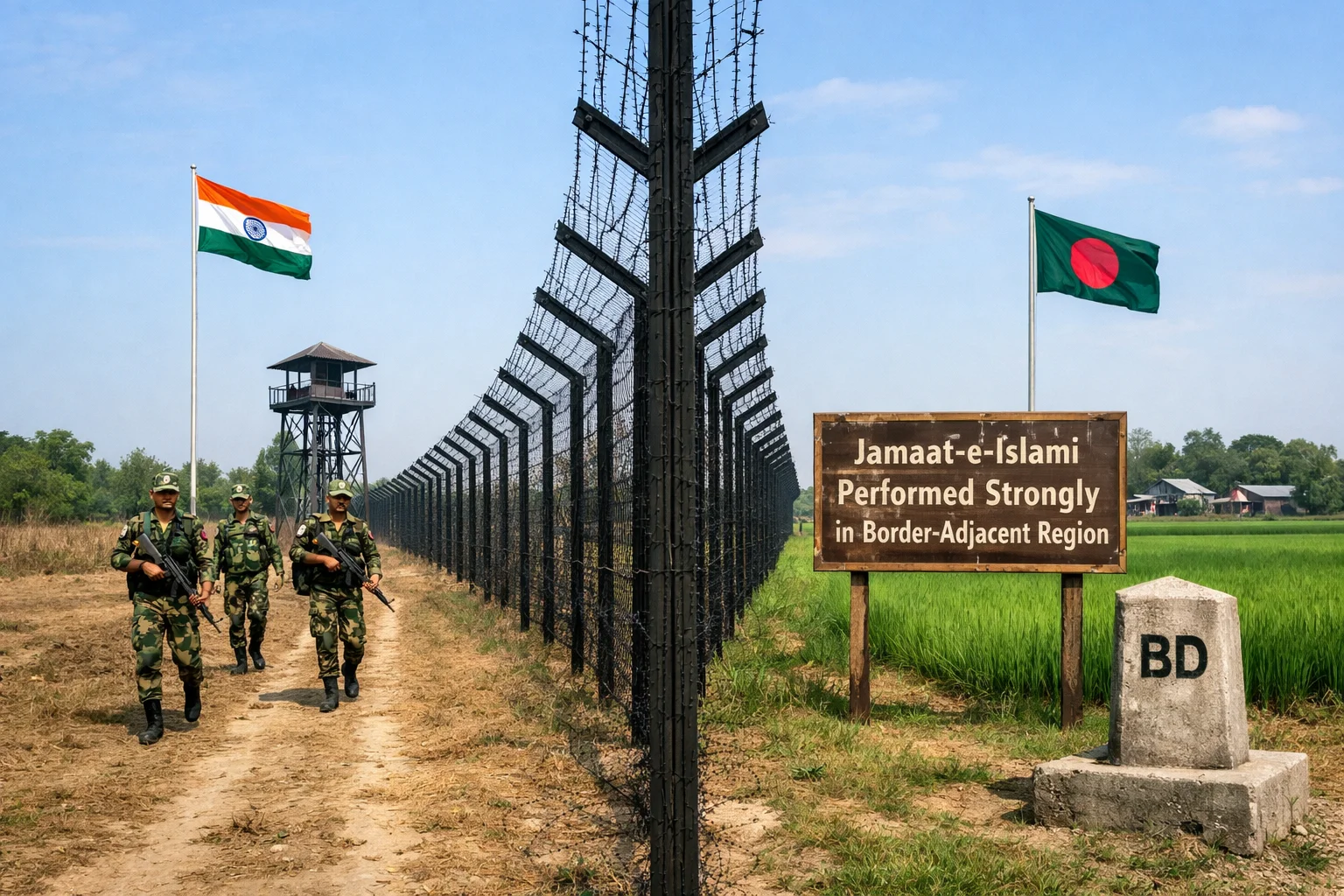
Image credit: AI-generated using ChatGPT by OpenAI
Tarique Rahman: Risk or Opportunity?
Now comes the key question.
What does Tarique Rahman think about India?
His public stance includes:
- Opposition to religious extremism
- Rejection of terrorism in all forms
- “Bangladesh First” foreign policy
The “Bangladesh First” doctrine is not anti-India — it simply means Dhaka will pursue national interest above ideology.
And that is acceptable.
Every nation does that.
The only red line for India is:
- No terror safe havens
- No cross-border destabilization
- No support for radical networks
If those remain controlled, stability can continue.
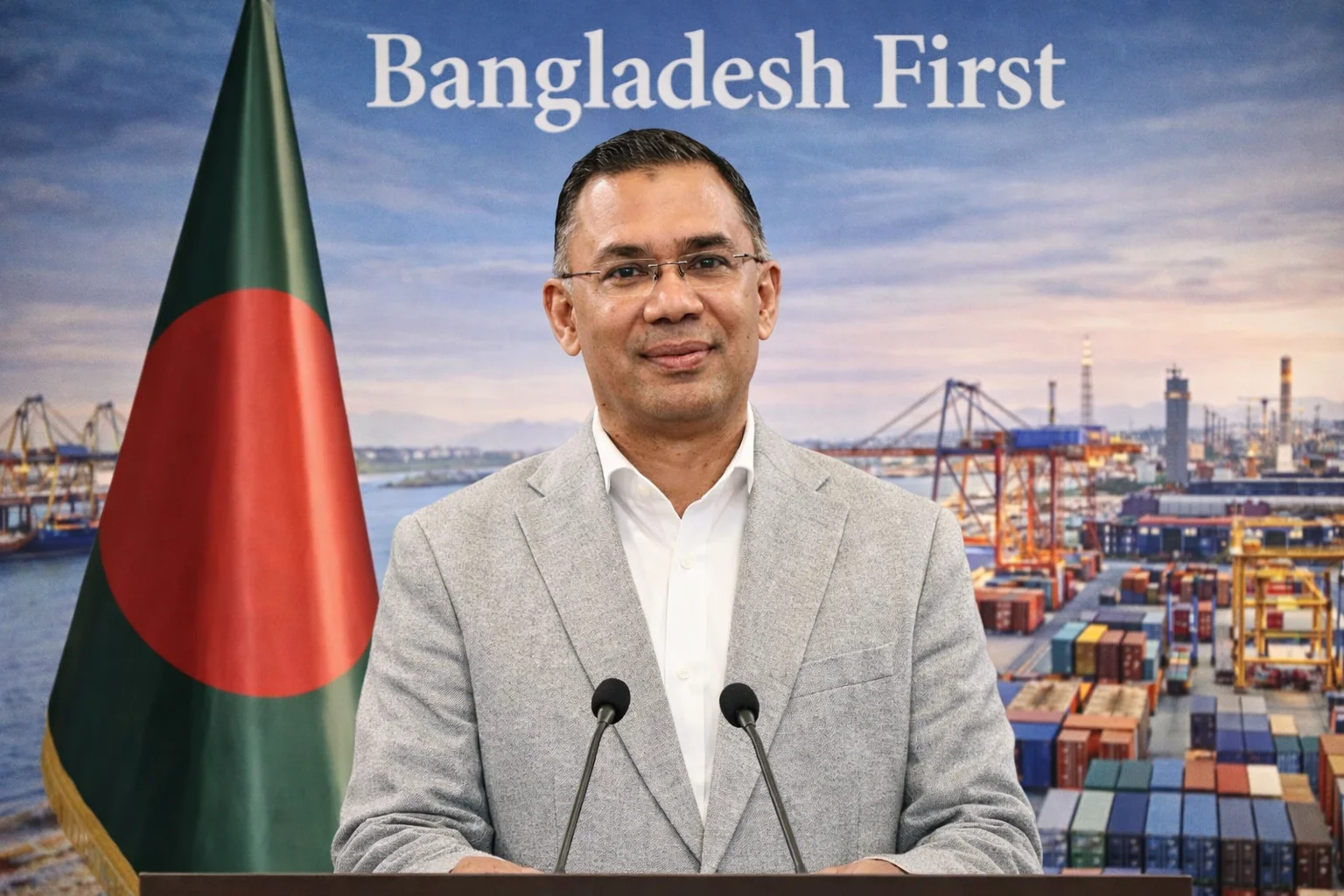
Image credit: AI-generated using ChatGPT by OpenAI
India’s Expectations from Bangladesh
Let’s be realistic.
India does not expect:
- Bangladesh to support India in war
- Bangladesh to openly align against Pakistan
India expects something much simpler:
Do not allow anti-India terrorism to operate from your soil.
That’s it.
Everything else — trade, rivers, border dialogue — can be negotiated.
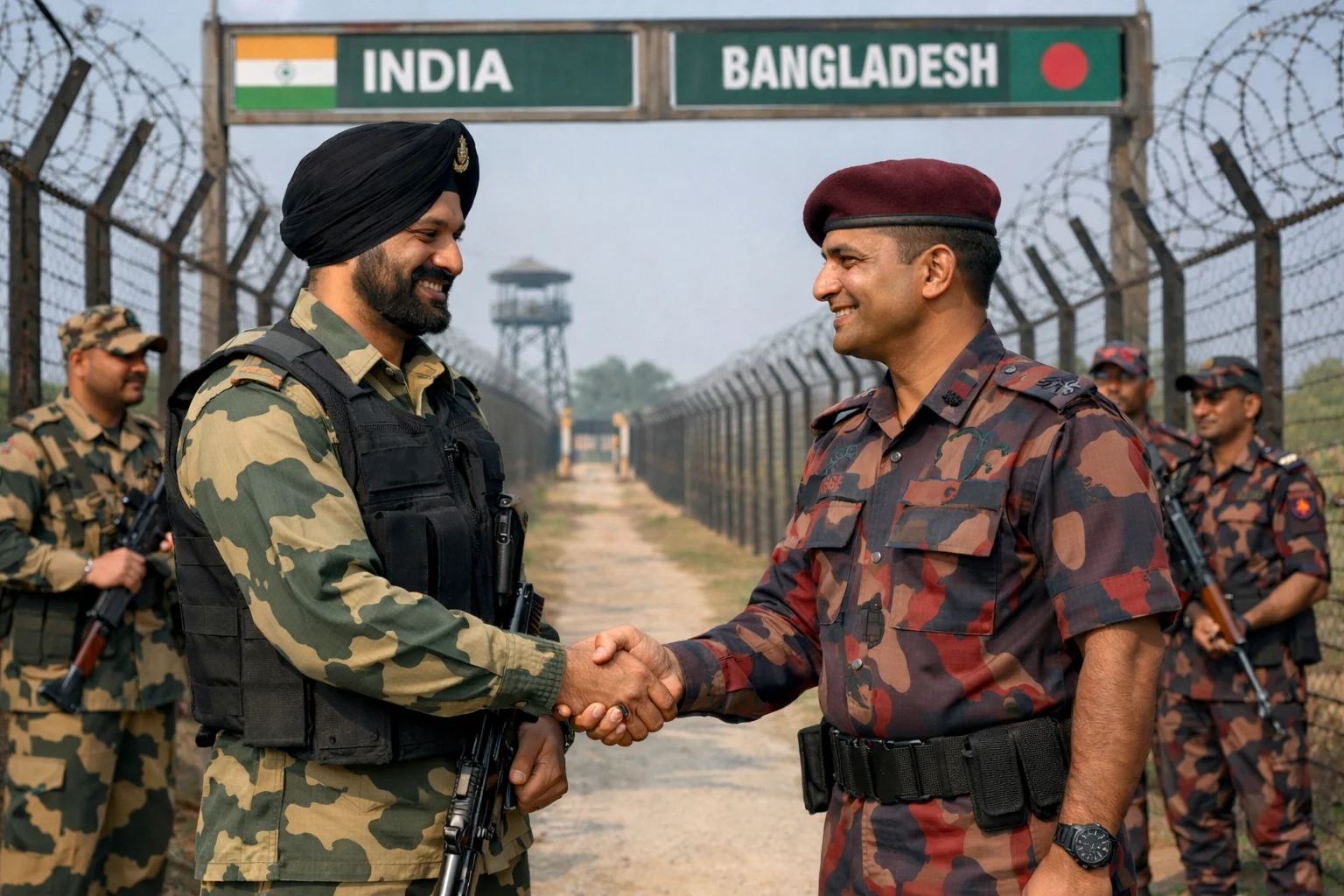
Image credit: AI-generated using ChatGPT by OpenAI
The Teesta River Issue Will Return
Under Tarique Rahman, Bangladesh will likely push:
- Teesta water-sharing agreement
- Border conduct concerns regarding BSF
- Trade and electricity settlement issues
These are predictable and manageable diplomatic topics.
They are not existential threats.
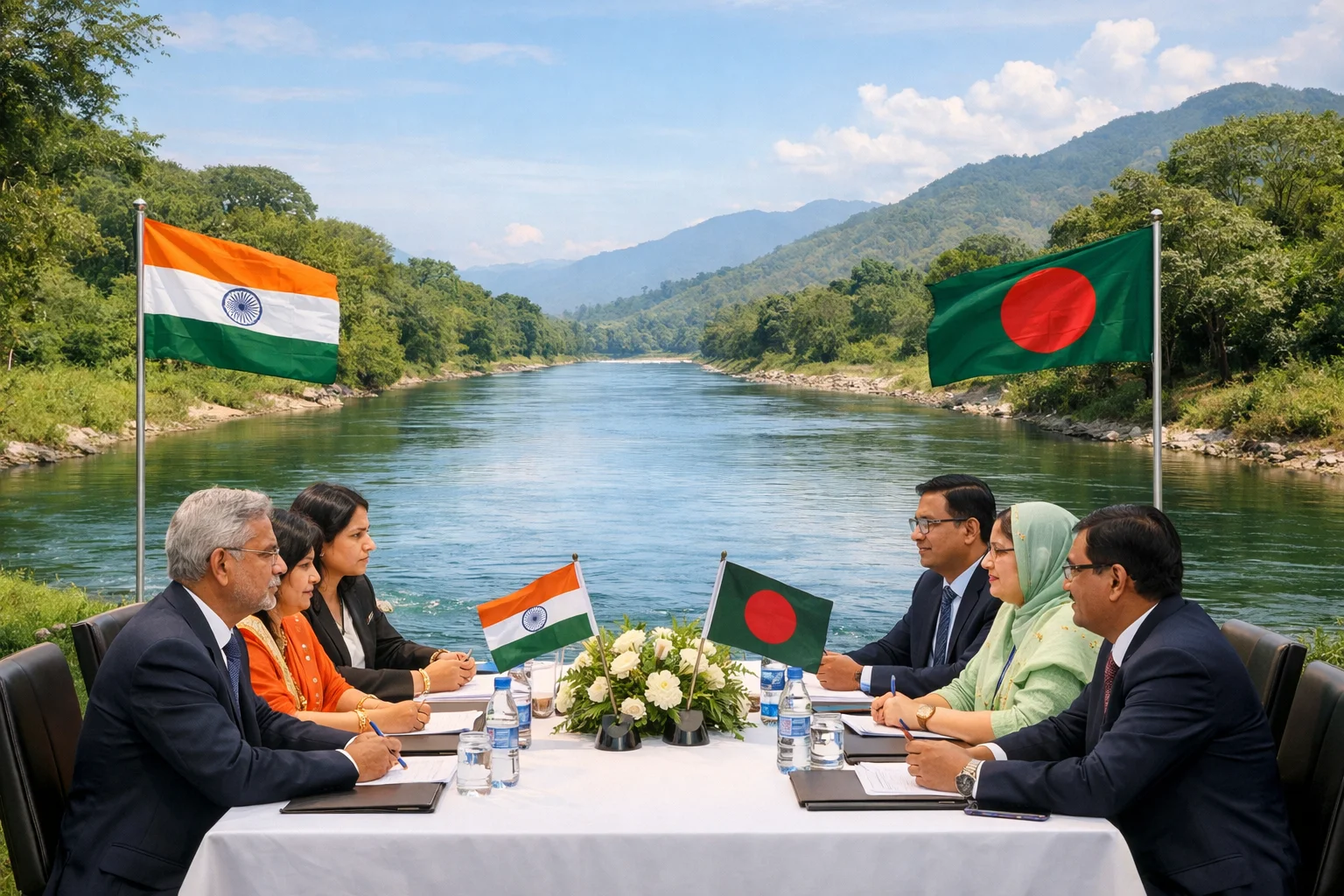
Image credit: AI-generated using ChatGPT by OpenAI
The Adani Electricity Question
There are outstanding electricity payment issues involving Indian energy exports to Bangladesh.
Will the new government clear dues?
This will be a practical test of economic maturity in Bangladesh and India relations.
If payments are honored — it signals continuity.
If not — economic friction increases.
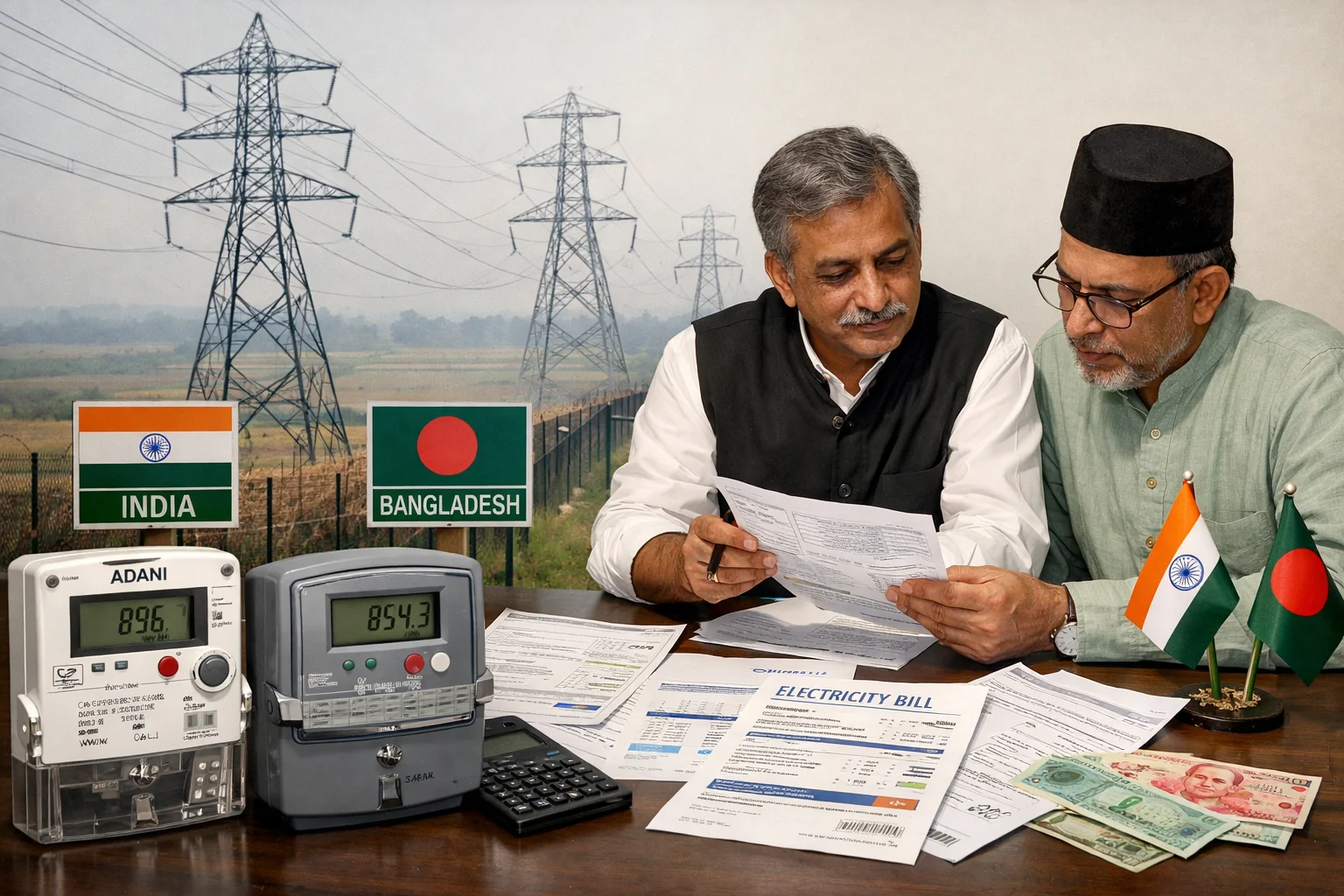
Image credit: AI-generated using ChatGPT by OpenAI
Textile Competition: A Healthy Rivalry
One major competitive area is textiles.
Bangladesh has secured:
- Preferential cotton sourcing terms from the US
- Zero-tariff access under certain conditions
India may negotiate similar benefits.
But India doesn’t necessarily need US cotton imports — Indian farmers already produce substantial cotton.
This sets up a healthy regional competition:
- Who exports more textiles?
- Who generates more jobs?
- Who captures Western markets?
Competition in trade is good.
Competition in extremism is not.
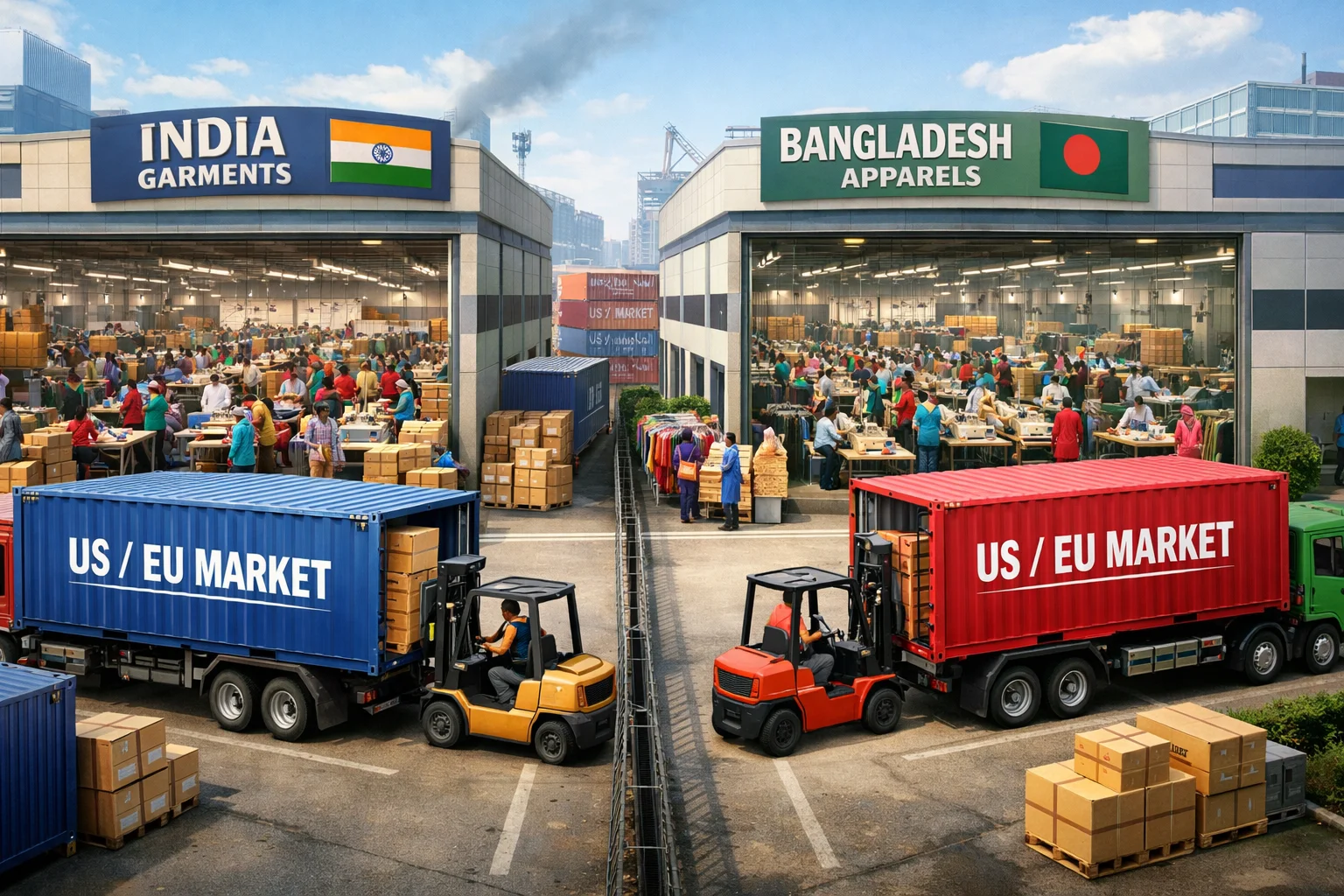
Image credit: AI-generated using ChatGPT by OpenAI
Will Relations Improve or Just Stabilize?
Historically, BNP governments have not always had smooth relations with India.
But Tarique Rahman is seen by many observers as more pragmatic than previous leadership eras.
Realistically:
- Relations may not dramatically improve
- But they can stabilize
And in geopolitics, stability is often a win.
The Border Map Concern
Many Indians are worried seeing electoral maps where Jamaat performed strongly in border districts.
That concern is valid.
But numbers matter:
- BNP crossed 200+ seats
- Jamaat is influential but not dominant
The key is whether radical narratives gain institutional backing.
So far, they have not.
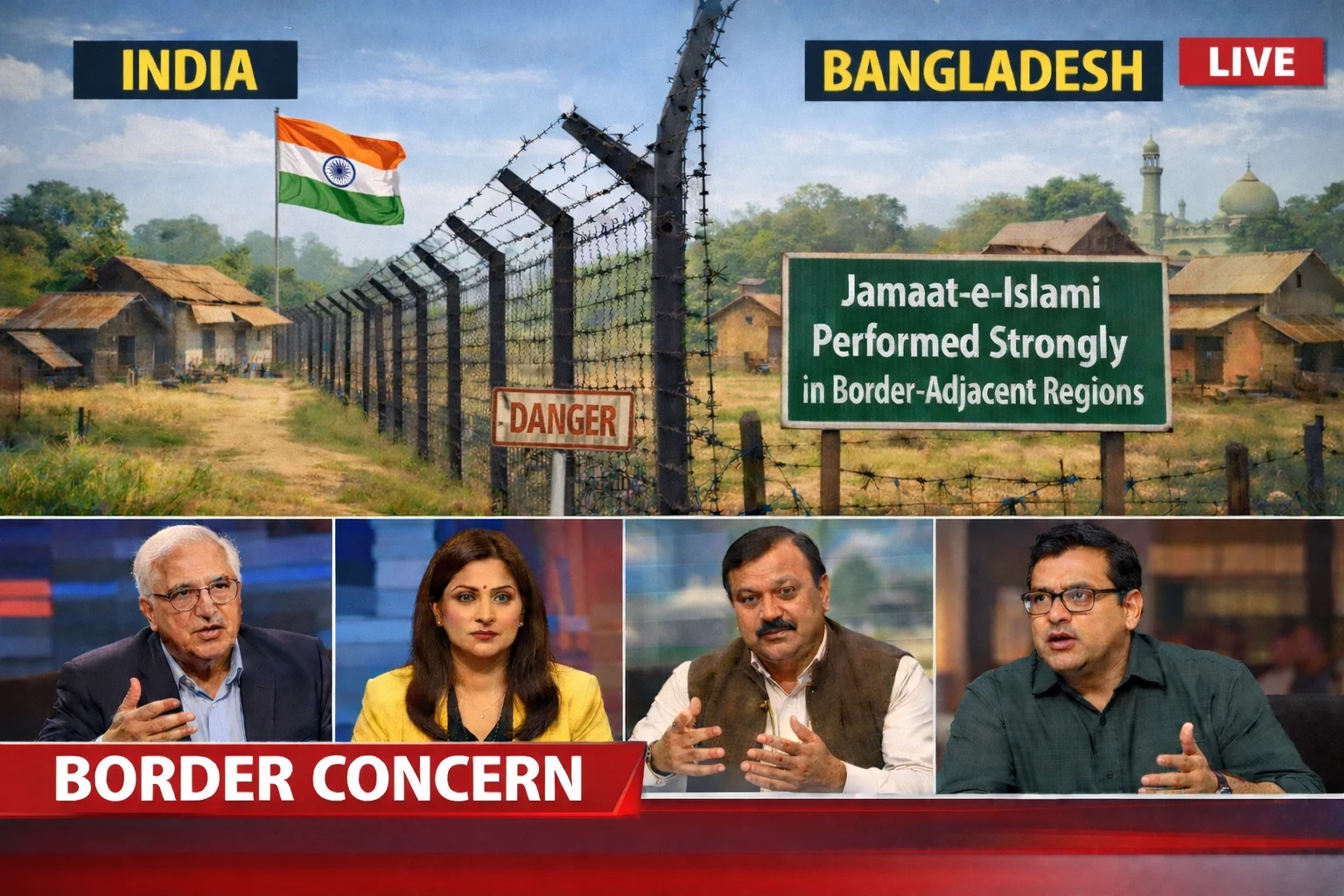
Image credit: AI-generated using ChatGPT by OpenAI
Final Assessment
Bangladesh elections 2026 results represent:
- Partial risk
- Partial opportunity
- High strategic sensitivity
India’s best approach:
- Maintain low expectations
- Prioritize security cooperation
- Avoid emotional overreaction
- Monitor border districts closely
If Dhaka controls extremism, economic ties grow, and radical rhetoric stays in check — stability can continue.
The real test begins now.
FAQs
Why are Bangladesh elections 2026 important for India?
Because Bangladesh directly impacts India’s border security, trade, river water agreements, and regional balance.
Is Jamaat gaining power in Bangladesh?
Jamaat performed strongly in some regions but does not control the government.
Is Tarique Rahman anti-India?
Publicly, he supports anti-extremism policies and a “Bangladesh First” approach, not explicit anti-India positioning.
What is India’s biggest concern?
Preventing cross-border terrorism and radical safe havens.
Will India-Bangladesh relations improve after Bangladesh elections 2026?
Improvement is uncertain, but stability is possible.
A Bigger Strategic Question
Bangladesh elections 2026 may look like a routine political shift.
But here’s the real question:
Is South Asia entering a phase of competitive economic rivalry — or a return to ideological polarization?
Tell us in the comments:
- Do you see stability ahead?
- Is Jamaat’s rise a long-term concern?
- Can India and Bangladesh compete economically without geopolitical friction?
Share this analysis with someone tracking South Asian geopolitics. Explore more about World Affairs , Indian Affairs and Strategic Depth.
Because in 2026, elections are not just votes — they are regional recalibrations.
Sources – NDTV World, Indian Express ,Free Press Journal