Table of Contents
Why Is Iran Attacking UAE? The Core Strategy
The question dominating regional discussions right now is simple: Why is Iran attacking UAE?
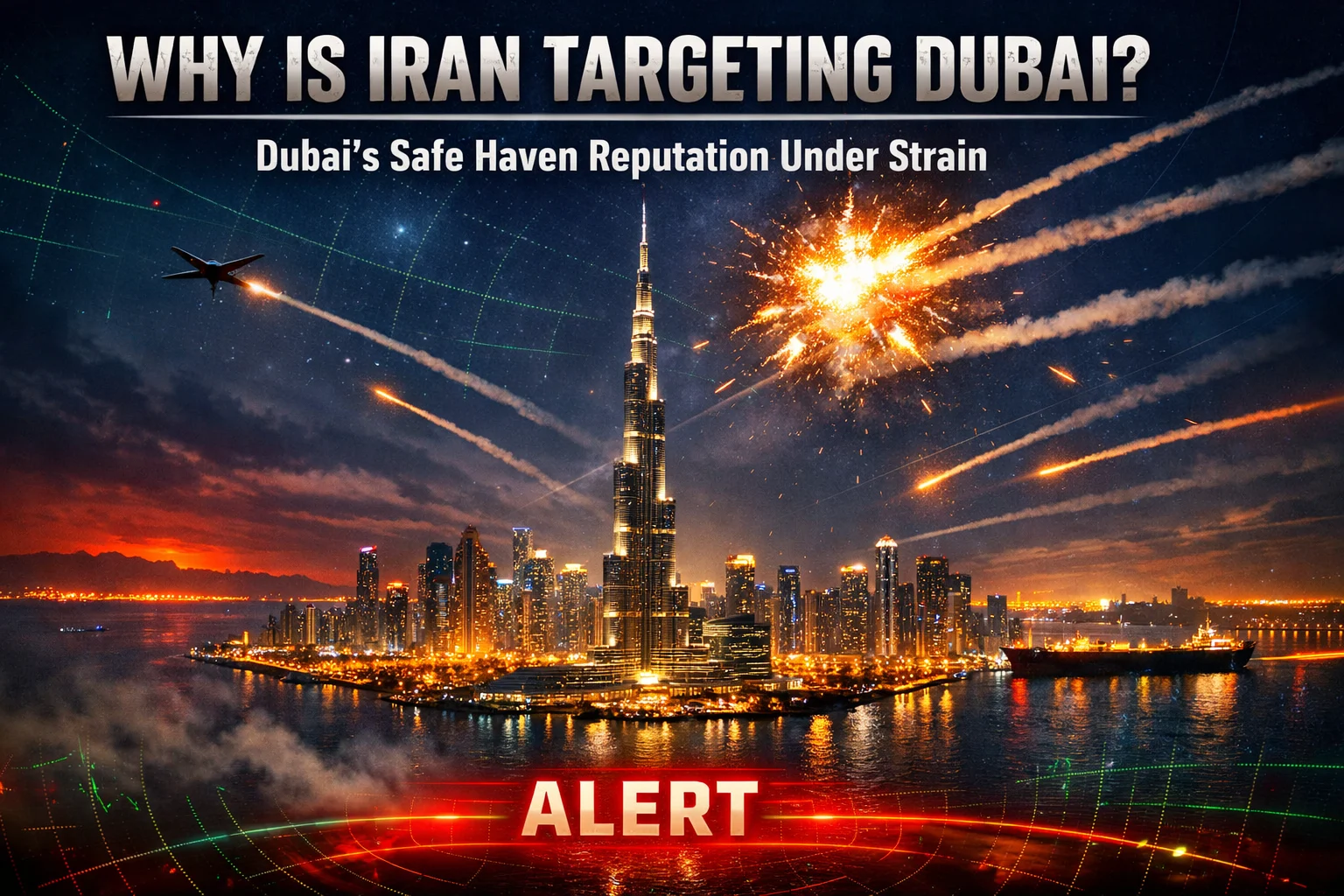
In recent days, dozens of viral videos have circulated online claiming that Iranian drones and missiles struck parts of the United Arab Emirates, particularly Dubai. Social media commentary has intensified, with narratives suggesting that the Gulf’s most visible economic hub is no longer insulated from regional escalation.
فيديو: صواريخ إيرانية تستهدف دبي وسقوط 4 جرحى https://t.co/gbmm1GMkxK #شبكة_964#العراق_بصورة_أوضح pic.twitter.com/bP4hY2xtwH
— 964 (@964arabic) February 28, 2026
But beyond the viral content lies a strategic calculation.
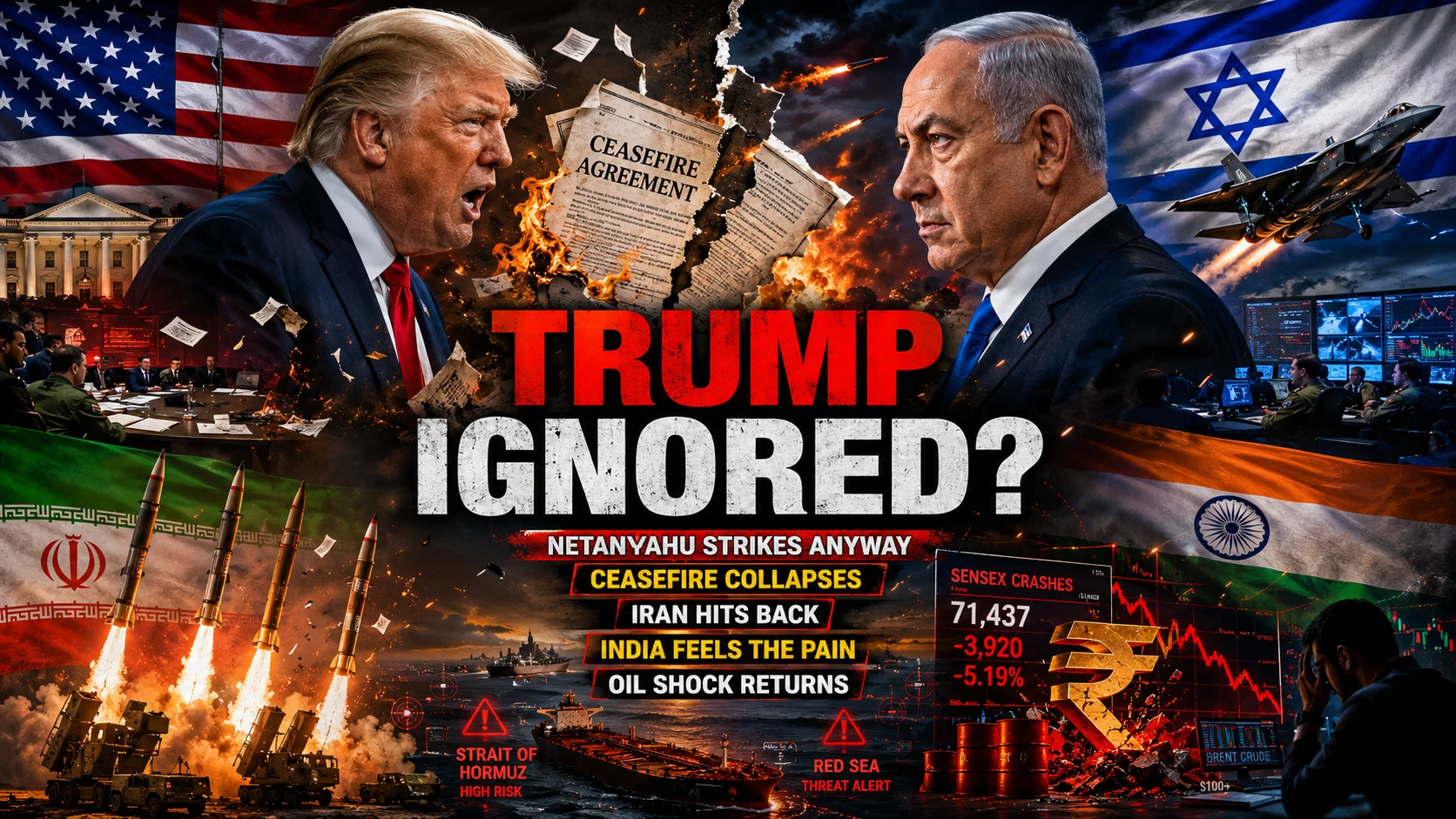
Iran is facing sustained military pressure from the United States and Israel.
According to statements attributed to Donald Trump, operations against Iranian military infrastructure could continue for weeks. Here’s the message Donald Trump is putting out as the conflict escalates:

Screenshot of a Truth Social post by Donald Trump
Iranian leadership, under mounting pressure, appears to be responding with a strategy aimed at raising the cost for regional actors aligned with Washington.
And that is where the UAE enters the picture.
Sources: The Guardian
Dubai’s Safe Haven Image Under Pressure
Dubai has carefully cultivated a global brand over the past two decades.
It positioned itself as:
- The “Pearl of the Gulf”
- A luxury investment hub
- A tourism and aviation super-connector
- A politically stable economic sanctuary
Headlines such as “How Iran Strikes Are Putting Dubai’s Safe Haven Reputation Under Strain” reflect the reputational risk emerging from this conflict.
Even limited strikes or credible threats can damage perception.
And perception drives capital.
Dubai’s vulnerability is geographic as well. Located along the Gulf coastline and relatively close to Iran, it sits within operational missile and drone range. Unlike Israel, which operates a dense and layered missile defense architecture, Gulf cities historically relied more on deterrence and diplomacy than saturation defense systems.
That calculation is now being tested.
Sources: Times of India, The Times of Israel
Iran’s “Maximum Price” Pressure Doctrine
Iran’s current military posture appears designed around what can be described as a “maximum price” strategy.
If it cannot directly alter US policy through conventional military means — given distance and force imbalance — it can attempt to:
- Increase economic and political pressure on US-aligned Gulf states
- Disrupt investor confidence
- Force regional actors to lobby Washington for de-escalation
Iran cannot strike mainland America.
Israel’s air defenses intercept a significant portion of incoming threats.
But Gulf cities — including Dubai, Doha, and others — are seen as more exposed.
The calculation seems clear: widen the pressure circle.
This is a gamble.
Because it risks pushing Gulf states into deeper military alignment against Tehran.
Sources: The Conversation
Why Target UAE Instead of Only Israel?
Iran is still exchanging strikes with Israel. Casualty reports from Israel indicate that some missiles are getting through despite interception systems.
However, expanding the theater serves another purpose.
The UAE, Qatar, and Saudi Arabia have strong economic ties with Western economies and host strategic military infrastructure. By targeting these countries, Iran may hope to fracture regional support structures behind ongoing US operations.
It is escalation by leverage.
Not by parity.
But this strategy cuts both ways.
If Gulf states conclude that neutrality is impossible, they could move closer to direct participation in anti-Iran operations — potentially inviting European powers such as France or the UK into more visible roles.
Reports have already referenced increased French military presence in the region, though full operational details remain subject to verification.
The Indian Diaspora and Economic Exposure
The UAE hosts millions of expatriates, including a very large Indian community.
Recent reporting has shown Indian nationals returning home amid rising tensions, many expressing gratitude to UAE authorities for facilitating safe departures.
For India, the implications are indirect but serious:
- Remittance flows
- Business investments
- Real estate exposure
- Employment concentration
Dubai’s golden visa ecosystem attracted investors from across India. Luxury property comparisons between Mumbai and Dubai were widely circulated in recent years.
But in geopolitics, safety perception outweighs price advantage.
A city can offer tax incentives and luxury infrastructure.
But if security credibility erodes, capital hesitates.
Sources: NDTV, Open Magazine
Could UAE Join the War?
This is the central risk variable.
If strikes continue, the UAE faces three options:
- Maintain restraint and rely on diplomacy
- Increase defensive cooperation with Western allies
- Actively join operations against Iran
The third option transforms the conflict.
Gulf states possess significant financial capacity and could coordinate with Western air forces if escalation deepens.
Iran’s leadership appears to be betting that Gulf governments will prefer de-escalation pressure rather than military retaliation.
That assumption may not hold indefinitely.
The Sovereignty Debate Going Viral
A viral online narrative suggests that only a handful of countries — often named as India, the United States, China, Russia, and Israel — operate with full sovereign deterrence immunity.
This claim oversimplifies global power structures.
Major powers face terrorist attacks and asymmetric threats as well. The difference lies in deterrence scale and retaliation capacity, not invulnerability.
Still, the debate reflects a broader perception:
Security autonomy matters more than branding.
And Gulf economic models, built on stability marketing, now confront a regional war environment.
Conclusion: Reputation Is Strategic Capital
Why is Iran attacking UAE?
Because pressure works sideways when it cannot work forward.
By targeting economically visible Gulf hubs, Iran seeks to widen the cost matrix of the war.
But in doing so, it risks triggering broader coalition formation.
Dubai’s global brand — built on safety, opportunity, and luxury — now faces its most serious stress test.
In geopolitics, cities are not just skylines.
They are strategic symbols.
And symbols, once shaken, are hard to restore.
FAQs
Why is Iran Attacking UAE?
Iran appears to be targeting UAE as part of a pressure strategy to raise economic and political costs for US-aligned Gulf states during the broader conflict.
Is Dubai under missile attack?
Multiple reports and viral visuals suggest strikes and threats. However, specific damage assessments should always be verified through confirmed sources due to misinformation risks.
Is Dubai safe to travel now?
Security conditions depend on ongoing developments. Travelers should follow official advisories from their respective governments.
Why target Gulf countries instead of only Israel?
Gulf countries host strategic infrastructure and economic hubs. Pressuring them may indirectly influence US policy.
Could UAE join the war?
If strikes intensify, the possibility of deeper military coordination with Western allies increases.
What Do You Think This Escalation Leads To?
If Iran continues targeting Gulf cities like Dubai and Doha, does it force the UAE and others to push for de-escalation — or does it pull them directly into the war? What do you think:
- Why is Iran Attacking UAE?
- Can Dubai’s safe-haven reputation recover quickly?
- Will Gulf states stay restrained or join operations more openly?
- And how should countries like India prepare for diaspora and economic fallout?
Share your Strategic Assessment in the Comments below.
Because in conflicts like this, perception shifts can be just as powerful as missiles.
Explore more about Defense & Security and World Affairs.