Table of Contents
Why the UAE’s Exit Could Break the Old Oil Order
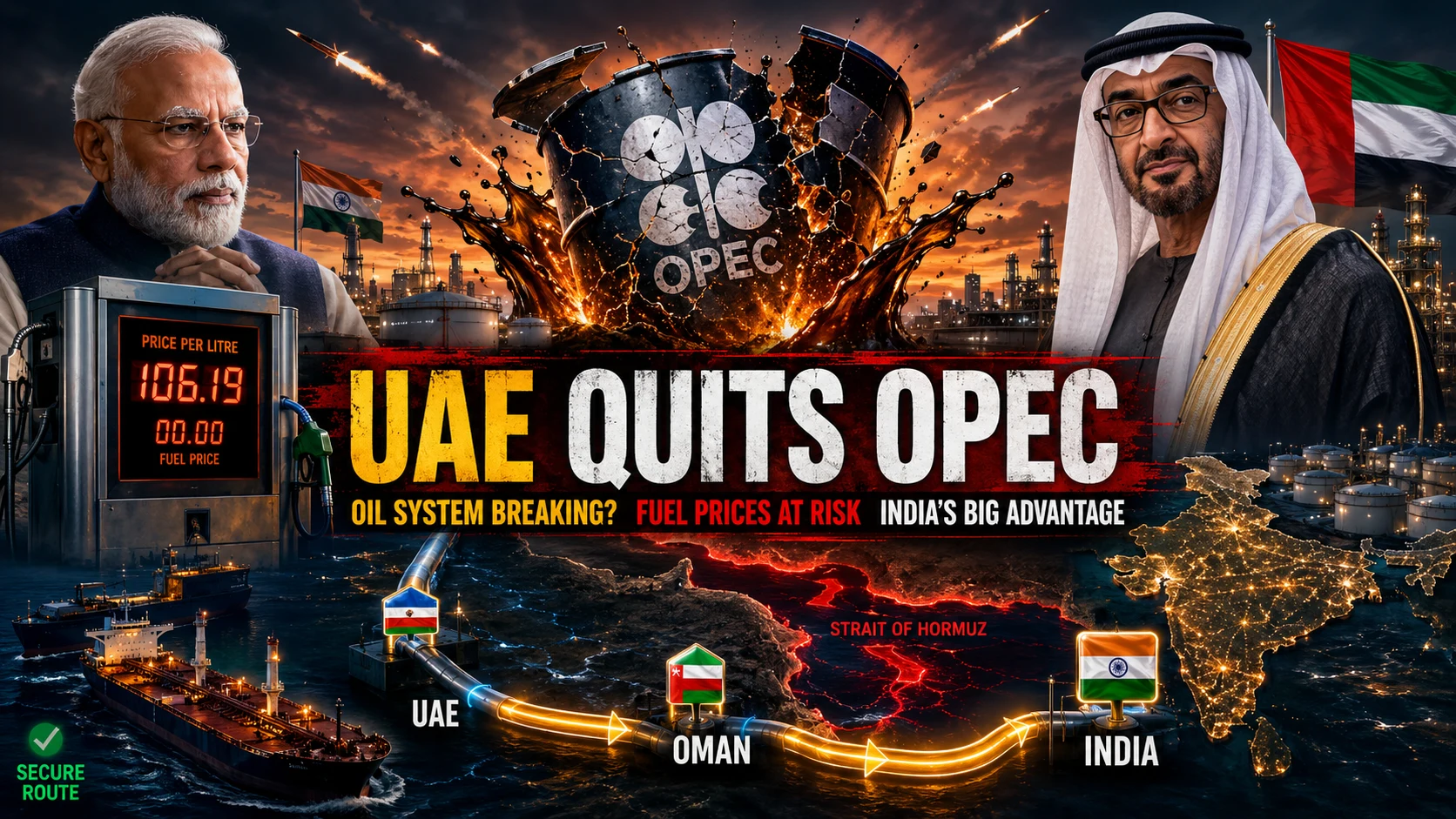
The entire world is suddenly talking about one development: the UAE quit OPEC (Organisation of the opec+Petroleum Exporting Countries). The decision has triggered panic, excitement, and confusion across global energy markets because this is not a routine disagreement inside an oil organization. This is possibly the biggest development in oil and energy in the last 50 years. That is why the UAE’s exit from OPEC is being treated as far more than a normal policy dispute.
Many observers are now openly asking whether this is the beginning of the end for OPEC itself. The organization has survived wars, sanctions, internal rivalries, and global recessions since 1960. But when one of its most influential Gulf members decides that the cartel structure no longer serves its interests, the perception of unity begins collapsing immediately.
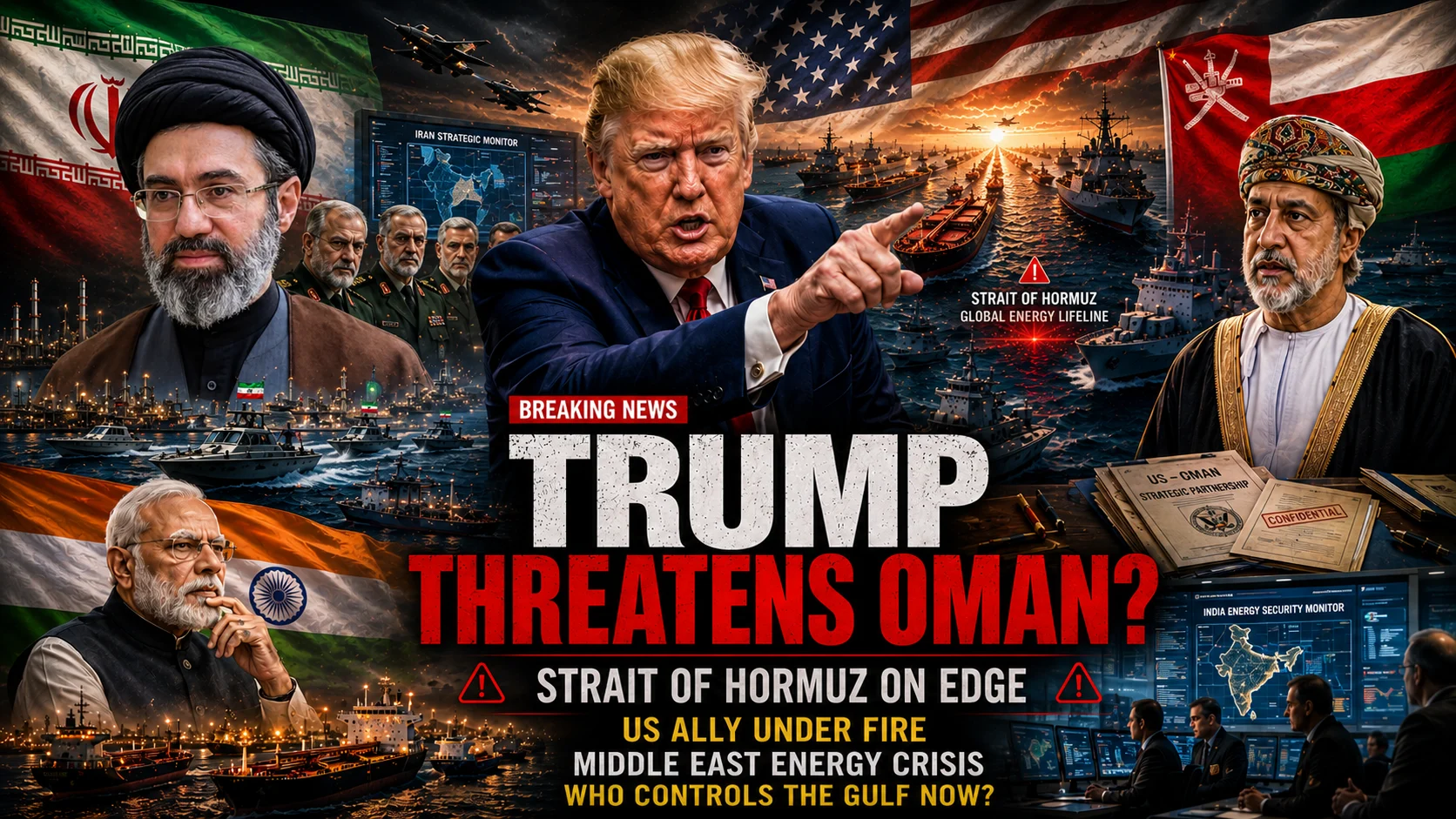
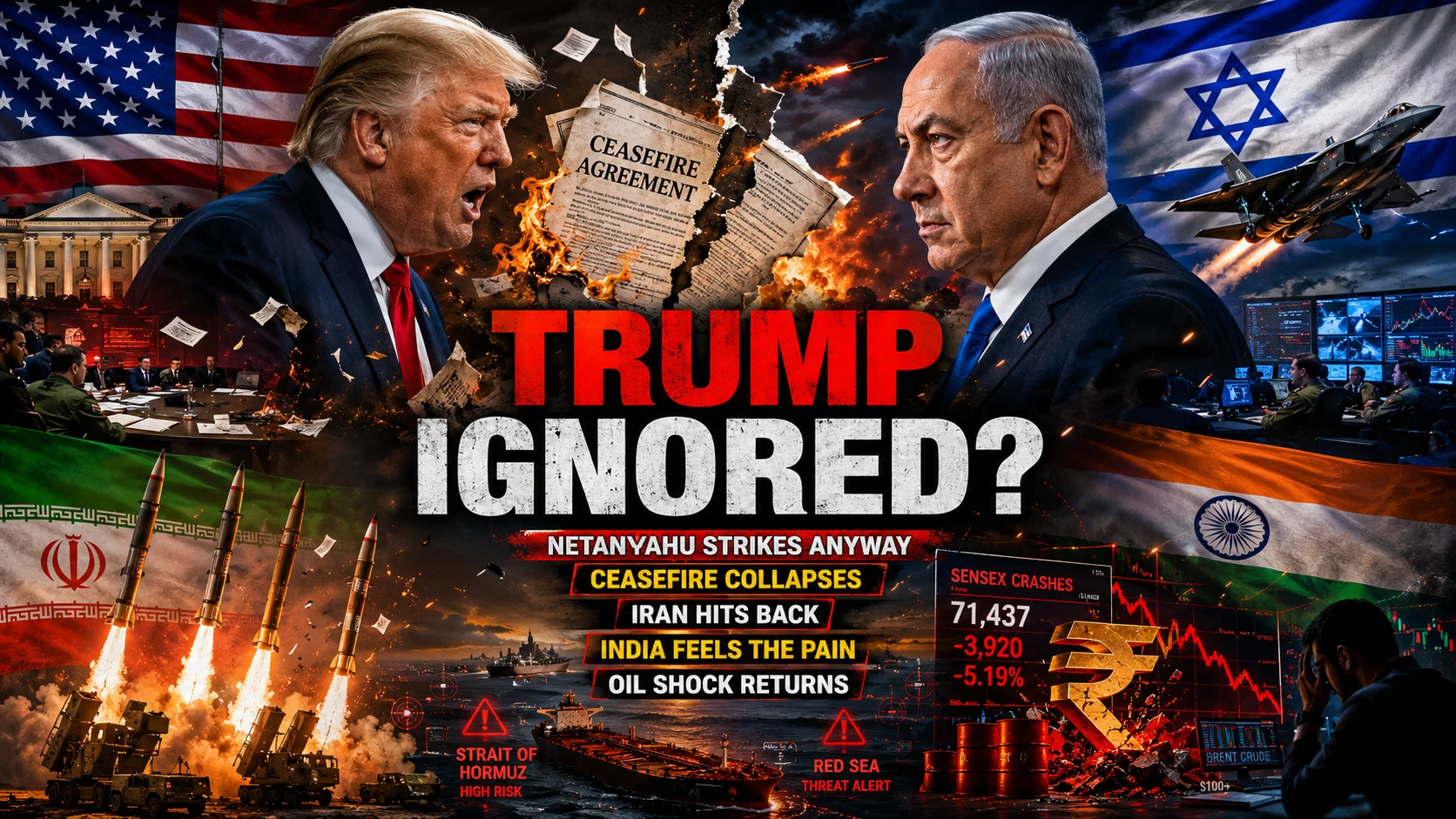
The timing makes the situation even more dangerous. The Middle East is already dealing with escalating tensions linked to the Iran-US conflict, rising crude prices, missile attacks across Gulf states, and fears surrounding the Strait of Hormuz. Brent crude prices had already crossed the $110-per-barrel zone before the UAE’s move intensified uncertainty further.
No one truly knows what happens over the next two or three months if the crisis deepens further. That uncertainty is now hanging over global fuel markets.
Sources: Forbes Africa, BBC, OPEC
The Real Reason the UAE Walked Away From OPEC
Most mainstream coverage focused on production quotas and oil prices. But there is a much deeper reason behind the UAE’s decision: strategic frustration and loss of trust inside the Gulf security system.
The UAE believed Gulf countries had taken an excessively defensive posture during the Iran-US conflict despite missile and drone attacks hitting multiple Arab states. Abu Dhabi expected GCC(Gulf Cooperation Council) countries to collectively take some major retaliatory or strategic step against Iran. That never happened. The UAE now appears convinced that Gulf solidarity exists more on paper than in actual security coordination.
This frustration was not abstract. Iran’s attacks reportedly struck Riyadh, Abu Dhabi, Dubai, and even Doha. Yet the Gulf response remained cautious and defensive. Gulf monarchies spent billions buying advanced military systems from companies like Boeing and Lockheed Martin, what the point was of spending enormous sums on advanced military systems if no decisive action would follow when attacks escalated.
That disappointment fundamentally changed how the UAE began viewing both regional alliances and OPEC itself.
The UAE had invested heavily in projecting itself as a stable global hub. Dubai and Abu Dhabi were marketed internationally as safe financial centers, tourism capitals, sporting destinations, and long-term residency hubs through initiatives like the Golden Visa system.
UAE even moved to censor internet footage of missile and drone attacks because the leadership feared global circulation of those visuals would severely damage Dubai and Abu Dhabi’s carefully constructed image as safe international hubs.
This is the sharpest and most important insight behind the entire story: the UAE no longer trusts regional security arrangements to protect the image on which its economy depends.
That changes everything about how Abu Dhabi calculates risk.
Instead of prioritizing Arab bloc unity, the UAE now appears focused on protecting market share, preserving investor confidence, and maximizing oil revenues independently.
Why Iran’s Missile Campaign Changed Everything
The discussion repeatedly returns to one core argument: Security failure shattered trust inside the Gulf.
The UAE believed GCC countries would eventually take stronger collective action after Iranian attacks escalated. Instead, the Gulf response remained defensive and fragmented. That disappointment appears to have spilled into energy politics.
OPEC works only when members are willing to sacrifice individual production freedom for collective pricing power. But the UAE now seems unwilling to accept output restrictions while simultaneously feeling strategically exposed.
This is where the energy story and the security story merge.
The UAE has massively expanded its production capability over recent years, reportedly reaching nearly 4.85 million barrels per day while OPEC quotas restricted actual output to around 3.2 million barrels. UAE no longer sees value in holding back production simply to support cartel pricing mechanisms that primarily benefit others while simultaneously feeling strategically vulnerable no longer made sense.
So Abu Dhabi made a historic calculation.
Instead of remaining constrained by cartel rules, the UAE now wants maximum flexibility. It wants to produce oil openly, sell freely, and negotiate directly with countries willing to buy large quantities without waiting for OPEC consensus.
That directly weakens OPEC’s ability to maintain collective market discipline.
How OPEC Controlled the World’s Oil Prices for Decades
To understand why this matters so much, it is important to understand how OPEC functioned.
OPEC was designed to synchronize production among major oil exporters so prices would remain high enough to benefit producers. When prices started falling too much, member countries collectively reduced production. Less supply pushed prices back upward.
OPEC is described bluntly as an oil cartel — even an “oil mafia” — because of its ability to influence global prices through coordinated production cuts.
Without OPEC discipline, oil-exporting countries would naturally compete harder for market share. Producers like Russia, Saudi Arabia, or the UAE could simply pump more oil to maximize revenue volumes. But excessive production typically pushes prices downward. OPEC existed to prevent that from happening.
OPEC solved that problem through collective restraint.
The UAE’s departure weakens that structure because it signals that one of the cartel’s most important members no longer accepts production limits as beneficial.
Several African producers had already exited OPEC previously, but the UAE’s withdrawal carries far greater consequences because of its scale, infrastructure, and geopolitical position.
If additional Gulf producers begin questioning quota systems, OPEC’s long-term authority could erode rapidly.
What the UAE Gains by Leaving OPEC
The immediate advantage for the UAE is freedom.
No more mandatory production ceilings. No more collective restrictions designed to support high prices. The UAE can now decide independently how much oil to produce and whom to sell it to.
That flexibility becomes extremely important during a volatile global energy crisis.
UAE is preparing for a future where maximizing market share matters more than defending artificially high prices. The country can now aggressively pursue supply agreements with major Asian buyers, particularly India.
This matters because the UAE also possesses a major logistical advantage: oil can move toward Oman and bypass the Strait of Hormuz bottleneck through existing infrastructure networks. That possibility suddenly becomes strategically important because Hormuz remains one of the world’s most vulnerable energy routes.
The Habshan-Fujairah pipeline already allows oil movement from Abu Dhabi’s oil fields directly to the Gulf of Oman without relying entirely on Hormuz traffic. In a prolonged regional conflict, such alternative routes become extremely valuable.
That bypass route suddenly becomes strategically valuable for India.
Instead of depending entirely on tanker traffic moving through a potentially unstable Strait of Hormuz, India gains the possibility of more secure supply chains tied directly to UAE exports moving through Oman-linked routes.
Here is what that means: the UAE’s exit is not only about oil prices. It is about building a parallel energy architecture less dependent on old cartel politics and vulnerable chokepoints.
If New Delhi reaches long-term supply understandings with a quota-free UAE, India may gain access to more stable oil flows even while broader Gulf tensions continue disrupting markets elsewhere.
Why This Is Dangerous News for Russia and OPEC+
Russia is identified as one of the biggest potential losers from the UAE’s move.
That is because OPEC+ depended heavily on coordinated production discipline between Gulf producers and countries like Russia. If a major exporter such as the UAE starts producing more freely, pressure grows on everyone else to defend market share as well.
That weakens the pricing structure on which OPEC+ relied.
Russia benefits when oil exporters collectively restrict supply and keep prices elevated. But once producers begin prioritizing independent strategy over cartel coordination, the entire structure becomes unstable.
The United States may quietly welcome this shift for exactly the opposite reason.
Higher oil prices were already hurting the American economy. Washington will likely view expanded UAE production positively because greater supply could ease price pressure globally.
This creates a strange geopolitical moment where the weakening of a cartel discipline may indirectly align with American economic interests.
What we are witnessing is historic because OPEC remained one of the most powerful forces in global energy politics for decades. The UAE pulling out changes the psychological balance immediately, even before the full economic consequences appear.
Sources: AlJazeera
India’s Oil Strategy Suddenly Looks Much Smarter
The most important domestic section of this story is India’s position.
Despite rising crude prices and growing regional instability, the Indian government publicly stated that there was no immediate proposal to increase petrol or diesel prices. This became politically important because rumors had already spread that fuel prices would rise immediately after the West Bengal elections ended.
The government’s message was simple: India has sufficient supply and reserves for now.
India’s strategic petroleum reserves are now becoming one of the country’s biggest geopolitical advantages. Pakistan’s own petroleum leadership publicly admitted that Islamabad lacks comparable reserves and depends mostly on short-duration commercial stockpiles.
The contrast is dramatic.
India reportedly possesses reserves capable of covering around 60–70 days of combined strategic and commercial demand. Pakistan’s publicly discussed reserve position was described as only five to seven days of crude availability.
That difference changes how both countries experience an energy shock.
When prices rise globally, fuel inflation spreads rapidly through transport, food, commodities, and consumer goods. Countries without reserve buffers feel immediate pain. Countries with strategic reserves gain time.
India now has time.
Sources: The Times of India
Pakistan’s Public Admission Exposed the Regional Divide
One of the most striking moments was Pakistan openly acknowledging its energy vulnerability.
Pakistan’s Petroleum Minister Ali Pervaiz Malik openly acknowledged that the country lacks meaningful strategic petroleum reserves. According to the discussion, Pakistan mostly depends on commercial reserves and short-term refinery stock rather than large emergency government-controlled reserves.
Pakistan's Petroleum Minister Ali Pervaiz Malik says India has strategic energy reserves for 60-70 days, which Pakistan doesn't has.pic.twitter.com/2VVbiqjaon
— Sidhant Sibal (@sidhant) May 2, 2026
The contrast with India is dramatic.
India can potentially stabilize markets through reserve releases, while Pakistan reportedly possesses only a few days of crude reserves in comparison. That difference becomes critical during regional supply shocks because fuel inflation affects everything from transportation to food prices.
Pakistan not only lacks strategic reserves, it also allegedly has no serious plan for handling prolonged oil volatility if the crisis continues.
The geopolitical frustration goes even further. UAE also became angry with Pakistan for not sending military support to help protect Gulf countries during the crisis. It is also claimed that the UAE later demanded repayment connected to earlier financial assistance provided to Pakistan.
All of this reinforces a larger regional reality: countries with reserves, logistics, and long-term planning gain leverage during energy crises. Countries without them become immediately exposed.
Sources: Moneycontrol,
Can India Avoid a Petrol and Diesel Price Shock?
For now, India has avoided the kind of immediate fuel panic seen elsewhere.
The government continues insisting there will be no sudden petrol or diesel price increase despite global crude volatility. That stability matters enormously because fuel inflation quickly spreads through the broader economy. When petrol and diesel prices rise sharply, transportation, food, clothing, and daily commodities all become more expensive.
This stability depends on duration. If global disruptions continue for another two or three months, India may eventually face tougher decisions.
That warning is important because India still imports the overwhelming majority of its crude requirements. Even with reserves, no major importer can remain permanently insulated from sustained high prices.
Still, India currently possesses several advantages:
- Strategic reserves capable of temporary stabilization
- Strong refinery infrastructure
- Potential direct UAE supply flexibility after the OPEC exit
- Alternative routing possibilities through Oman-linked infrastructure
- Government willingness to delay domestic price increases
These advantages make India far more resilient than neighboring states.
This could become one of the biggest strategic dividends from the UAE-OPEC rupture for India specifically. If Abu Dhabi prioritizes direct long-term supply relationships over cartel discipline, India may secure more reliable access to Gulf energy during future crises.
That would not eliminate inflation risks entirely. But it could reduce exposure to sudden supply shocks tied to OPEC production politics.
The Bigger Geopolitical Shift Nobody Can Ignore
The larger story here is fragmentation.
Old institutions are weakening. Traditional alliances are becoming transactional. Security distrust is now directly influencing energy policy across the Gulf.
The UAE’s exit from OPEC reflects all of those changes simultaneously.
For decades, OPEC symbolized coordinated oil power among major exporting countries. But the UAE now appears unwilling to sacrifice production freedom while feeling strategically exposed and economically vulnerable at the same time.
That changes the entire atmosphere surrounding Gulf politics.
This is not just about oil prices. It is about trust collapsing inside systems that once looked permanent. The UAE no longer believes old structures automatically protect its interests, its cities, or its global image. That is why it is choosing flexibility over cartel discipline.
And for India, this fragmentation may open opportunities that simply did not exist under the older Gulf order.
FAQs
Why is the United Arab Emirates leaving OPEC?
UAE became deeply frustrated with both OPEC restrictions and the broader Gulf security environment. Abu Dhabi no longer wanted production quotas limiting its oil exports while regional instability intensified. The UAE also believed Gulf countries failed to respond decisively after Iranian missile and drone attacks targeted Arab states. That combination pushed the UAE toward an independent energy strategy.
Is there a petrol price hike in India after the 2026 elections?
According to official statements, the Indian government said there was no immediate proposal to increase petrol or diesel prices after the West Bengal elections. However, if the global energy crisis continues for several more months, India may eventually face pressure to reconsider pricing stability.
How does the Strait of Hormuz closure affect India’s energy?
The Strait of Hormuz is one of the world’s most critical oil shipping routes. Any disruption there threatens global supply chains and crude prices. India could partially reduce this vulnerability because UAE-linked infrastructure through Oman provides potential bypass options that avoid direct dependence on Hormuz traffic.
Which country has more oil reserves, India or Pakistan?
There is a sharp contrast between the two countries. Pakistan publicly acknowledged having only limited commercial reserves lasting a few days, while India reportedly possesses strategic and commercial reserves capable of supporting the country for far longer during emergencies. This difference gives India much greater resilience during oil shocks.
What is the Habshan-Fujairah pipeline and how does it help India?
The pipeline connects Abu Dhabi oil fields directly to Fujairah on the Gulf of Oman, bypassing the Strait of Hormuz. This matters because it creates a possible alternative supply route for India if Hormuz-related disruptions intensify during regional conflict.
Conclusion
The UAE’s exit from OPEC is not just another disagreement inside global energy politics. It reflects a much deeper breakdown of trust inside the Gulf security system itself.
UAE no longer believes old cartel structures and regional solidarity automatically protect its interests. Missile attacks damaged not only infrastructure, but also the carefully managed global image of Dubai and Abu Dhabi. That appears to have fundamentally changed Abu Dhabi’s strategic thinking.
Now the UAE wants flexibility, independent production power, and the freedom to negotiate directly without cartel restrictions.
That weakens OPEC, pressures OPEC+, creates uncertainty for Russia, and potentially opens a major strategic opportunity for India.
India’s current fuel stability is not accidental. Strategic reserves, refining strength, and possible alternative supply routes through Oman are giving New Delhi breathing space while much of the region struggles with volatility. The contrast with Pakistan’s openly admitted vulnerability only makes that difference clearer.
But one major question remains unresolved: if Gulf instability continues for several more months and old energy alliances keep breaking apart, how long can India maintain fuel stability without eventually passing the pressure to consumers?
Share Your Views in the Comments below.
Explore more about Strategic Depth and World Affairs.