Table of Contents
A Strategic Shift No One Expected
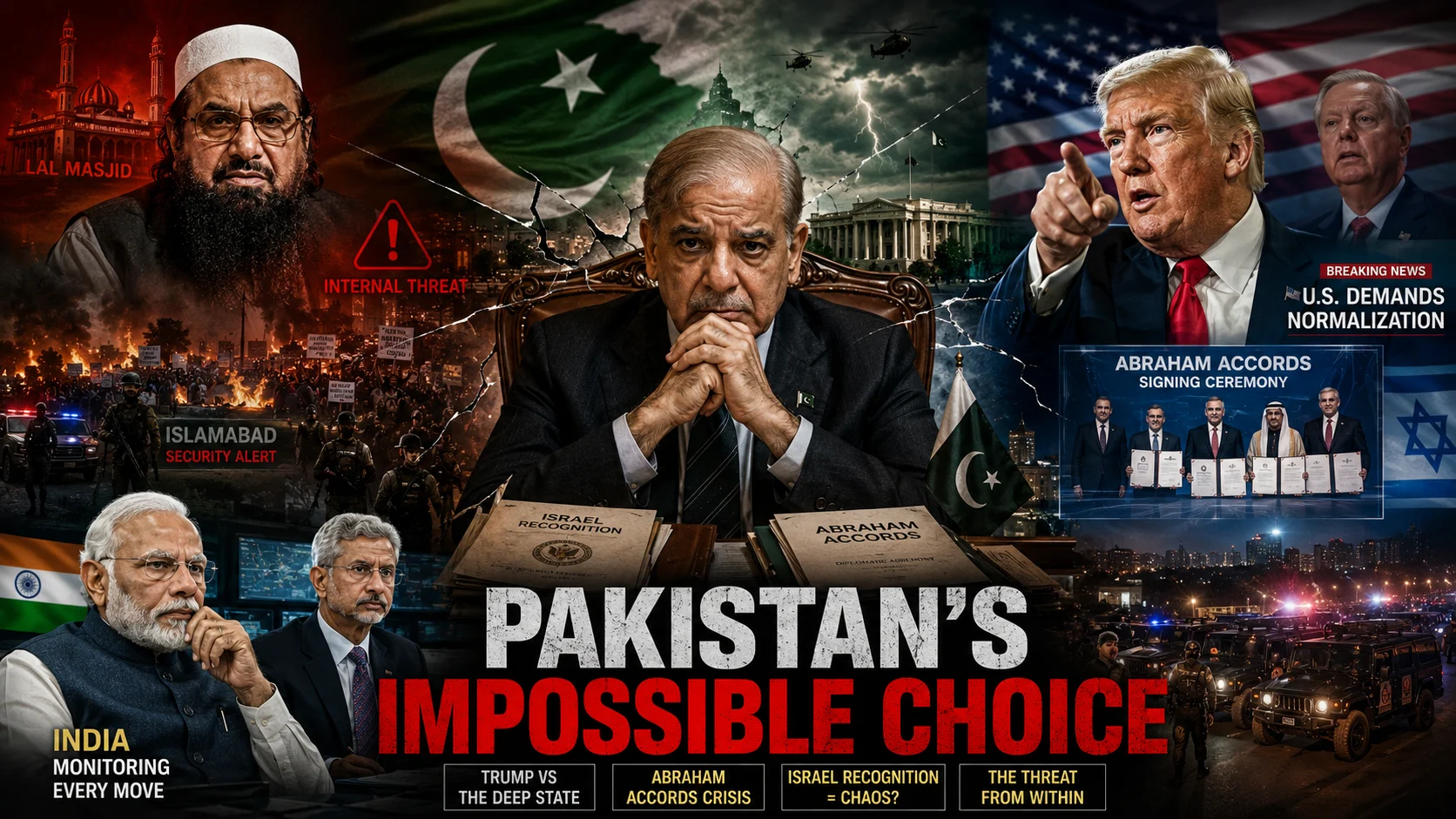
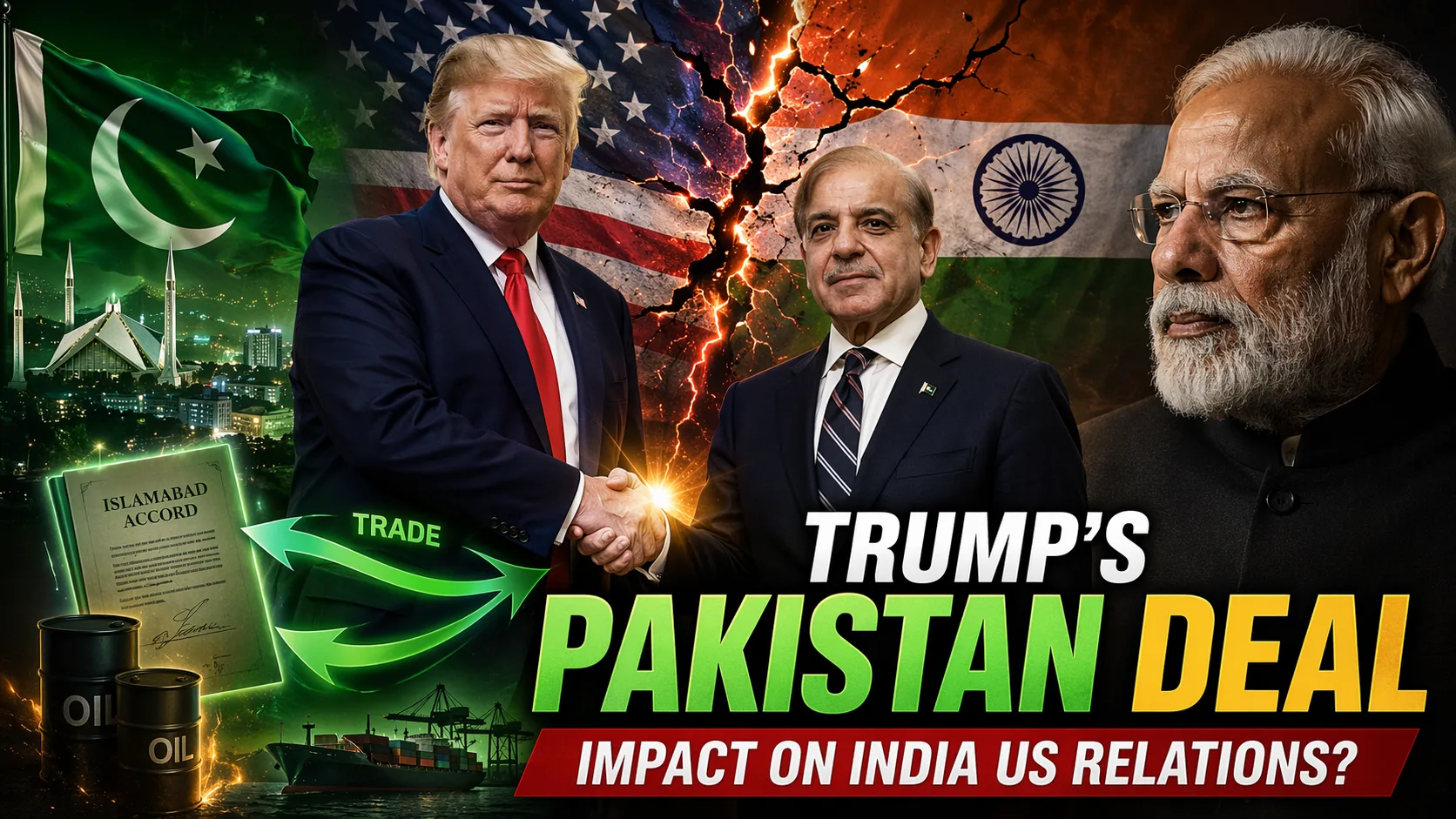
The Trump Pakistan Deal marks one of the most dramatic shifts in South Asian geopolitics in decades.
For years, the United States treated India as a long-term strategic partner—a counterweight to China and a stable democratic partner in Asia. But between 2025 and 2026, that equation began to change.
And not gradually.
Suddenly.
According to Ex-US Envoy, Rahm Emanuel, the United States has effectively “chosen Pakistan over India.”
JUST IN: 🇺🇸🇮🇳🇵🇰 Former US Ambassador Rahm Emanuel says the Trump administration has rejected India and chosen Pakistan over New Delhi.
— Asia Nexus (@nexusasian) April 17, 2026
Sharp criticism of current US foreign policy and its South Asia direction. pic.twitter.com/Ds0SvufmPp
That statement alone signals a deeper transformation.
This is not just diplomacy.
This is a strategic reset.
The Collapse of a 40-Year Partnership
For over four decades, successive US presidents—from Bill Clinton and George W. Bush to Barack Obama and Joe Biden—worked to strengthen ties with India.
The goal was clear:
Build India into a strategic pillar in Asia.
That effort is now under strain.
Donald Trump’s approach, moves away from long-term strategy toward transactional diplomacy.
Here’s what changed:
- Long-term alignment → Short-term deals
- Strategic trust → Personal leverage
- Institutional policy → Individual decisions
This shift is structural.
And it is visible in both rhetoric and policy.
The Trump Pakistan Deal Explained
At the center of this transformation lies the Trump Pakistan Deal.
This is not a single agreement—it’s a combination of strategic moves that together reshape the region.
1. Crypto-Diplomacy and Financial Links
Pakistan positioned itself at the intersection of finance and geopolitics through partnerships linked to World Liberty Financial.
This included:
- Engagement with Pakistan’s crypto ecosystem
- Financial integration efforts involving digital assets
- Direct interaction with figures connected to US leadership
The implication is clear.
Economic relationships are now influencing geopolitical decisions.
2. Political Alignment with Pakistan Leadership
The US administration has repeatedly praised:
- Asim Munir
- Shehbaz Sharif
This marks a major shift in tone.
Previously, US presidents avoided overt political endorsement of Pakistan’s leadership. Now, public praise is frequent—and strategic.
That change matters.
3. The Islamabad Mediation Role
Pakistan has repositioned itself as a key intermediary in US-Iran diplomacy.
Talks surrounding the Islamabad Accord (2026) highlight this shift, where Pakistan acts as a central platform for negotiations.
And here’s the critical moment:
Donald Trump openly stated that he might visit Islamabad to sign a peace deal.
That would be the first such visit in nearly 20 years.
This was deliberate.
President Trump said he could travel to Islamabad to seal a deal, praising Pakistan’s leadership and signaling he “might go” if an agreement is signed there pic.twitter.com/WgvzgTdeOk
— Neelotpal Srivastav (@NS_Neelotpal) April 16, 2026
Sources: Moneycontrol
Operation Sindoor and the Breaking Point
The fracture between the US and India became visible during Operation Sindoor.
India’s position was straightforward:
- Military actions were sovereign decisions
- Ceasefire negotiations were bilateral
But the US narrative differed.
Donald Trump claimed credit for mediating the ceasefire.
India rejected that claim.
This disagreement created a diplomatic rupture.
Now add another layer:
- India did not endorse Trump’s Nobel Peace Prize ambitions
- Pakistan did
That detail matters.
Because from that point onward, alignment began to shift.
Islamabad Accord and Pakistan’s Rise
By 2026, Pakistan had moved from regional actor to global mediator.
This transformation is visible in:
- US-Iran negotiations hosted in Islamabad
- Diplomatic praise from Washington
- Strategic positioning in global conflict resolution
Pakistan is no longer peripheral.
It is central—at least in this phase of US strategy.
And this raises a critical question:
Why elevate Pakistan now?
The answer lies in immediacy.
Pakistan offers:
- Direct access to conflict zones
- Diplomatic flexibility
- Alignment with short-term US objectives
India, on the other hand, operates with strategic autonomy.
That difference is shaping outcomes.
Why This Shift Matters for India
The consequences for India are significant.
Strategic Isolation Signals
India faces:
- Reduced prioritization in US policy
- Disputes over military narratives
- Pressure over independent decisions (like energy imports)
At the same time, India continues to maintain strategic independence.
That independence is both strength—and friction point.
The “Free Agent” Position
Unlike Pakistan, India is not aligning itself fully with any single power bloc.
It remains a strategic free agent.
And that has allowed India to absorb shocks more effectively—even during crises.
This balance is intentional.
But it also means India is harder to “manage” diplomatically.
The Larger Geopolitical Pattern
This is not just about South Asia.
It reflects a broader shift in global politics.
- Relationships are becoming transactional
- Economic tools are replacing diplomatic norms
- Short-term gains are overriding long-term planning
And here’s where things get more complex.
China is watching closely.
There are reports suggesting China may consider supplying advanced radar systems to Iran—despite US tariff threats.
If that happens, escalation becomes more likely.
And if escalation spreads?
Critical chokepoints like the Strait of Malacca could enter the equation.
That would impact the entire region.
Very quickly.
Sources: CBS News
Conclusion
The Trump Pakistan Deal is not just a policy shift.
It is a signal.
A signal that global alliances are becoming fluid, transactional, and unpredictable.
India is not declining.
Pakistan is not suddenly dominant.
But the framework itself is changing.
And when frameworks change, outcomes follow.
This moment will likely define South Asian geopolitics for years to come.
FAQs
Why is the Trump Pakistan Deal significant?
It represents a shift from long-term US-India strategic alignment to a more transactional relationship with Pakistan. This changes power dynamics in South Asia and affects diplomacy, trade, and security.
Did the US officially choose Pakistan over India?
According to Rahm Emanuel, recent policy signals indicate that the US has prioritized Pakistan in key diplomatic areas, especially mediation roles.
What is the Islamabad Accord 2026?
It refers to ongoing US-Iran negotiations being hosted in Pakistan, positioning Islamabad as a central diplomatic hub in global conflict resolution.
Why did Operation Sindoor create tensions?
Because of conflicting narratives—India viewed it as a sovereign action, while the US claimed mediation, leading to diplomatic disagreement.
How does this affect India’s global position?
India remains a fast-growing and strategically independent power, but faces increased economic and diplomatic pressure from shifting US priorities.=
The Bigger Question Ahead
Alliances are shifting.
Old strategies are being rewritten.
And decisions that once took decades… are now changing within months.
If partnerships can be replaced this quickly—
Then what truly defines a reliable ally in modern geopolitics? Share Your Views in the Comments below.
Read about Strait of Malacca Geopolitical Importance. Explore more about World Affairs and Indian Affairs.